
Choosing the Best Laundry Detergent for Hard Water Stain Removal in 2026: The Atlanta Homeowner's Guide
Discover how to combat Georgia's mineral-heavy water with our expert guide on the best laundry detergents and techniques for removing stubborn hard water stains in 2026.
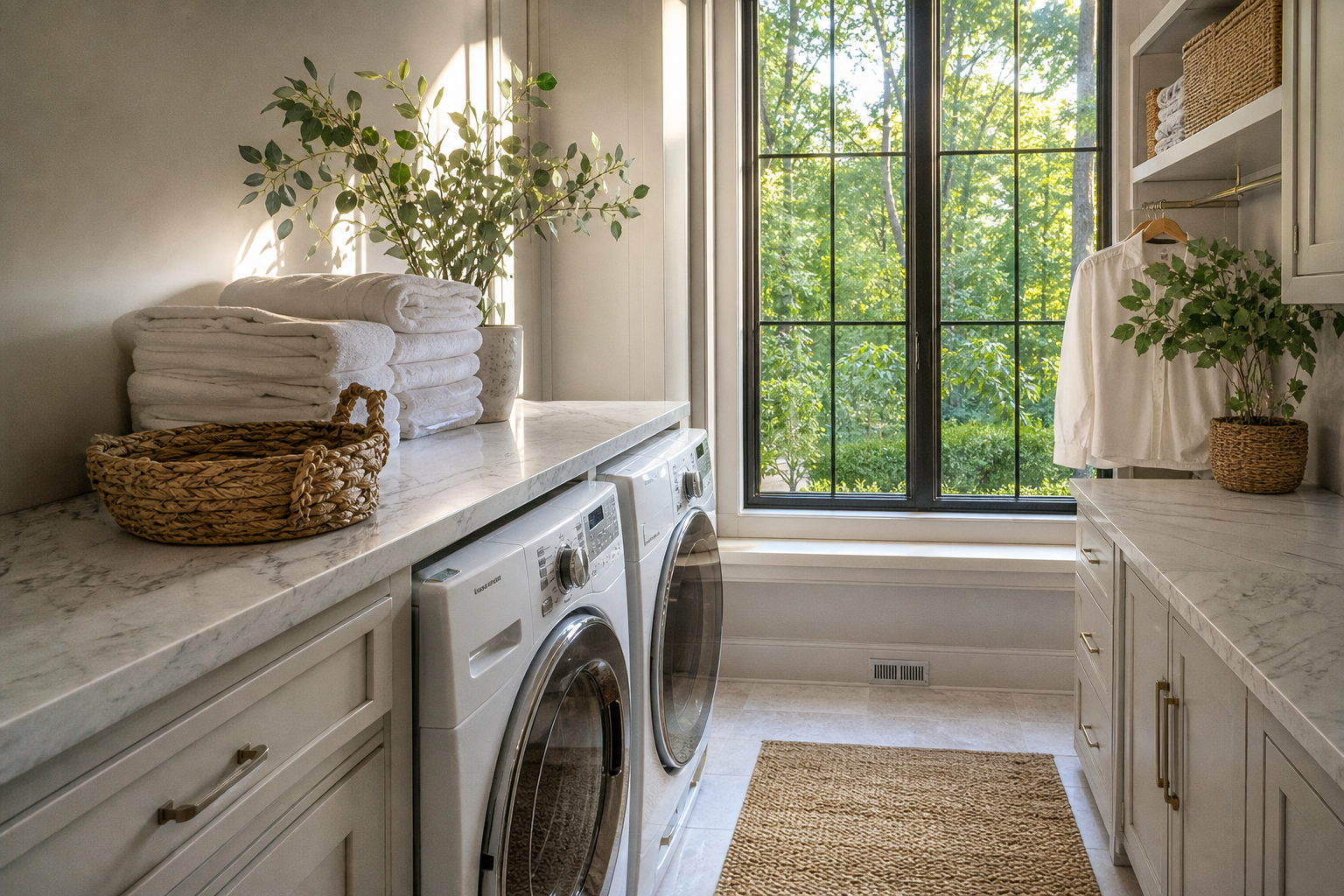
The Battle Against Georgia Red Clay and Calcium: Finding the Best Laundry Detergent for Hard Water Stain Removal in 2026
If you live in a historic bungalow in Virginia-Highland or a modern high-rise in Midtown, you’ve likely noticed a frustrating trend: your once-crisp white linens are turning a dull grey, and your favorite workout gear feels stiff and scratchy. The culprit isn't your washing machine; it’s the mineral content in our local water supply. Finding the best laundry detergent for hard water stain removal in 2026 is no longer just about picking a nice scent—it’s about chemical engineering tailored to combat the calcium, magnesium, and iron that plague Metro Atlanta pipes.
In this guide, we will break down why Georgia water wreaks havoc on your wardrobe, which products actually neutralize mineral buildup, and how to restore your clothes to their former glory without spending a fortune at the dry cleaners.
Understanding the Hard Water Crisis in Metro Atlanta
While Atlanta’s water isn't as "liquid rock" as parts of the Midwest, neighborhoods from Buckhead down to East Lake often deal with varying levels of mineral density. Hard water contains high concentrations of dissolved minerals. When these minerals meet your laundry detergent, they create "curd"—a sticky residue that traps dirt and Georgia red clay deep within the fibers.
Why Standard Detergents Fail
Most entry-level detergents are designed for soft water. In a hard water environment, the cleaning agents (surfactants) bind to the minerals instead of the dirt on your clothes. This means you end up using more soap, yet your clothes come out looking dingier. By 2026, the technology in high-efficiency (HE) detergents has shifted toward advanced chelating agents that "lock up" these minerals before they can ruin your fabrics.
The Red Clay Factor
For those living near the Beltline or in leafy Decatur, red clay is an inevitable part of life. Hard water makes red clay nearly impossible to remove because the iron in the water acts as a mordant, essentially dyeing the clay into the fabric. The right detergent needs to address both the mineral buildup and the particulate soil.
Top Contenders: The Best Laundry Detergent for Hard Water Stain Removal in 2026
To save you the trial and error, we’ve tested the latest formulations hitting the shelves this year. Here are the top performers for the specific challenges of the Atlanta climate.
1. The Heavy-Duty Liquid: Tide Hygienic Clean Heavy Duty 10X
As of 2026, Tide remains the gold standard for mineral suspension. Their latest 10X formula contains specialized polymers designed to lift microscopic thirst-quenchers (minerals) and keep them floating in the wash water rather than redepositing on your clothes. It is particularly effective for those dealing with the humidity-induced odors that often accompany hard water buildup in athletic wear.
2. The Eco-Conscious Powerhouse: Dirty Labs Bio-Enzyme Laundry Detergent
If you’re shopping at the Dekalb Farmers Market for organic goods, you likely want a greener laundry routine. Dirty Labs uses a proprietary enzyme blend that breaks down the mineral-protein bonds that hard water creates. It’s ultra-concentrated, meaning less plastic waste, and it performs surprisingly well in the cooler wash cycles favored by modern, eco-friendly Atlanta homes.
3. The Mineral Specialist: Charlie’s Soap Professional Strength
Originally formulated for textile mills, Charlie’s Soap is a cult favorite in Georgia. It doesn't contain perfumes or fillers that can react with hard water. Instead, it focuses on a complete rinse-away of both the soap and the minerals. If your skin is sensitive to the "crustiness" of hard-water-washed towels, this is your best bet.
The Cost of Fabric Restoration in Atlanta
Maintaining a luxury home in areas like Alpharetta or Sandy Springs involves more than just buying the right soap. Sometimes, the buildup is too far gone for a standard wash cycle.
DIY vs. Professional Care
A bottle of premium hard-water detergent will run you between $20 and $45 depending on the concentration. However, if your entire linen closet needs a "reset" due to mineral yellowing, you might consider a professional restoration.
Professional deep cleaning services in Metro Atlanta typically range from $150 to $450 for a comprehensive home service that includes textile revitalization. While our services focus on the home environment, the principles of mineral removal are the same: you need the right pH balance to break the bond between the surface and the stain.
Expert Cleaning Tips for Hard Water Success
Beyond choosing the right detergent, your technique matters. Here is how the pros handle stubborn mineral stains:
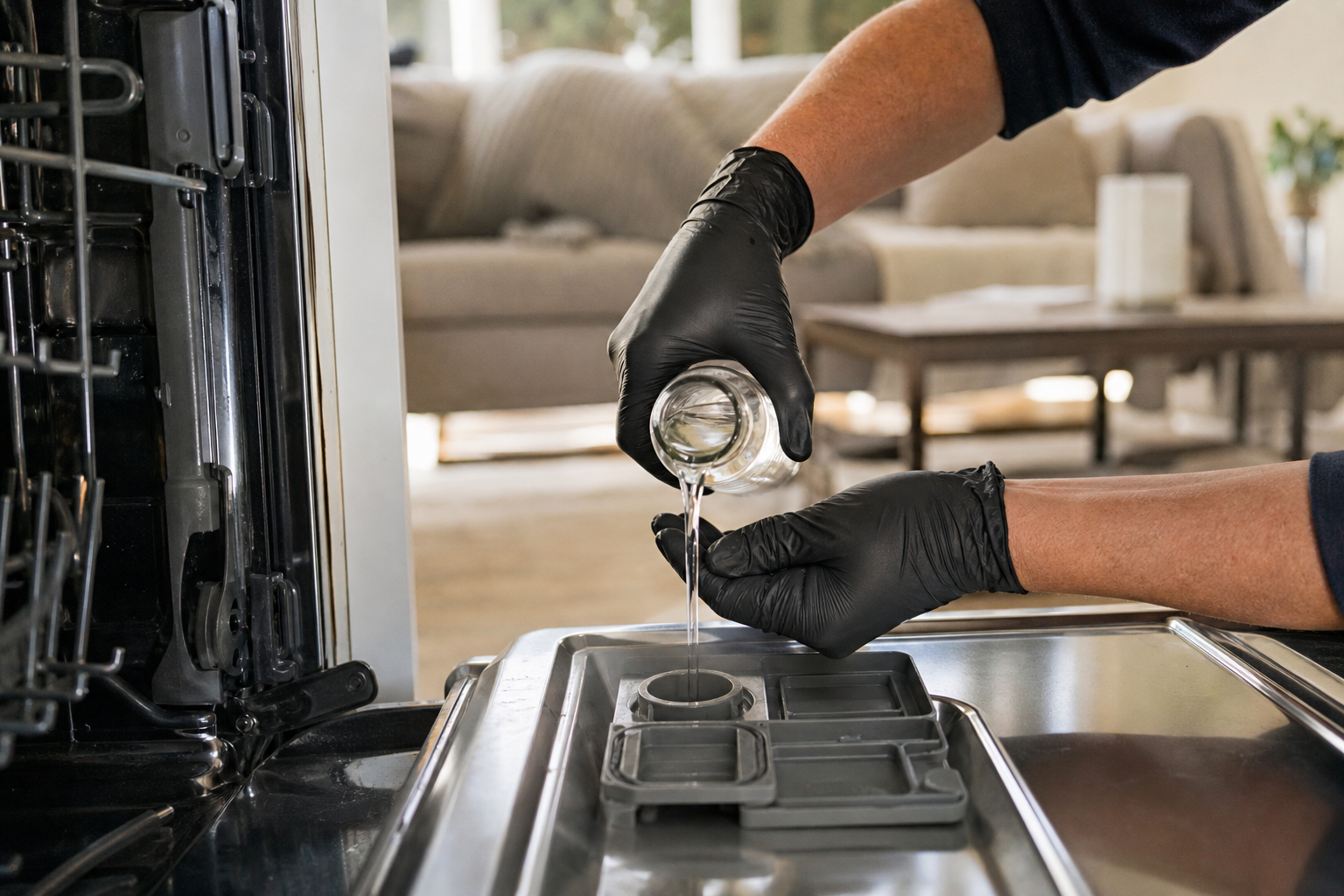
- The Vinegar Pre-Soak: Before washing, soak white items in a basin of warm water with one cup of white distilled vinegar for 30 minutes. This helps dissolve calcium deposits before the detergent even starts working.
- Temperature Control: While we love saving energy, hard water minerals dissolve better in warm water. For heavily stained items, bump the temperature up to at least 100°F.
- Boost with Borax: If you aren't ready to switch detergents, add a half-cup of Borax to every load. It acts as a water softener, allowing your current detergent to work more efficiently.
- Check the Filter: Many modern washers in Atlanta high-rises have a pump filter. Hard water causes gunk to build up here, leading to poor drainage and "stinky" laundry.
Common Mistakes to Avoid
Don't let these common errors ruin your favorite outfits:
- Using Too Much Detergent: It sounds counterintuitive, but more soap in hard water just leads to more "curd" and buildup. Stick to the recommended dosage.
- Ignoring the Dryer: Over-drying clothes that were washed in hard water makes them feel like sandpaper. Use a lower heat setting or a moisture-sensing cycle.
- Skipping the Rinse: If your machine has an "extra rinse" setting, use it. Getting every trace of mineral-laden water out of the fabric is key to preventing yellowing.
When to Call the Professionals
Sometimes, the laundry is just the tip of the iceberg. If your clothes are showing hard water stains, your shower glass, faucets, and granite countertops likely are too. Hard water doesn't discriminate between your Egyptian cotton sheets and your luxury kitchen finishes.
If you find yourself overwhelmed by the grit and grime of Atlanta's environmental factors—from the spring pollen coats to the year-round mineral spots—it might be time to bring in the experts. You can check our current pricing to see how a professional deep clean can reset your home's sparkle, giving you more time to enjoy a walk in Piedmont Park or a meal in Inman Park while we handle the heavy lifting.
Conclusion
Removing hard water stains in 2026 requires a mix of modern chemistry and old-school consistency. By selecting a detergent with strong chelating agents and incorporating simple softening boosters, you can keep your wardrobe looking fresh despite the Georgia minerals. Remember, the goal isn't just to wash your clothes—it's to protect your investment in the lifestyle you've built here in Atlanta.
Frequently Asked Questions
Q.Does Atlanta actually have hard water compared to other cities?
Atlanta's water is generally classified as 'soft' to 'moderately hard,' typically ranging from 15 to 60 ppm. However, in older neighborhoods with aging pipes or in suburbs using well water, mineral buildup becomes significantly more noticeable on fabrics and fixtures.
Q.Will white vinegar damage my high-efficiency (HE) washing machine?
Used occasionally as a rinse aid, white vinegar is safe and effective for breaking down minerals. However, avoid using it in every single load, as the acidity can eventually degrade rubber seals and hoses over several years of use.
Q.How can I tell if my laundry detergent is working against hard water?
The best sign of success is the 'suds test.' If your water remains cloudy with very little foam during the wash cycle, the minerals are likely neutralizing your detergent. Clothes should also feel soft, not stiff or 'crunchy,' once they are air-dried.
Q.What is the best way to remove Georgia red clay stains in hard water?
Red clay contains iron, which hard water makes stickier. Flush the stain with cold water first, apply a liquid detergent with high protease enzymes, and let it sit for 20 minutes before washing in the warmest water safe for that fabric.
Q.Are laundry strips effective for hard water stain removal?
In 2026, many laundry strips have improved, but most still struggle with heavy mineral loads due to their low surfactant volume. If you use strips in Atlanta, we recommend adding a separate water softener like laundry soda to boost their performance.
Ready for a Cleaner Home?
Get a free quote from Fuego Fresh Cleaning Services today. Background-checked, fully insured, ridiculously detail-focused.
Comments
Loading comments…