
Finding the Best Laundry Detergent for Sensitive Skin 2026: The Atlanta Homeowner's Guide
Living in the humid heart of Georgia means navigating high pollen counts and skin sensitivities; discover how the right laundry choices can transform your home's comfort.

The Search for the Best Laundry Detergent for Sensitive Skin 2026
If you have ever spent a Saturday afternoon strolling through Piedmont Park during the height of pollen season, you know that Atlanta air isn't always kind to our skin. Between the yellow haze of pine pollen and the relentless humidity that makes every fabric feel slightly damp, your clothes aren't just fashion—they are a sponge for allergens. For many residents in neighborhoods like Buckhead or Inman Park, the real irritant isn't what’s outside, but what’s inside the washing machine. Finding the best laundry detergent for sensitive skin 2026 is no longer just about avoiding a rash; it is about creating a sanctuary in a city that is constantly blooming and buzzing.
In this guide, we will dive into why traditional detergents fail those with reactive skin, the top-tier formulations dominating the market this year, and how the unique Atlanta climate dictates how you should be washing your linens. Whether you are dealing with eczema, contact dermatitis, or just the itchy aftermath of a humid Georgia summer, we have the solutions you need.
The Hidden Problem: Why Your Laundry Is Making You Itch
The Fragrance Trap
Most “mountain breeze” or “spring meadow” scents found in standard detergents are a cocktail of synthetic chemicals. While they might make your towels smell like a spa in Alpharetta, they are often the primary trigger for skin irritation. These fragrance molecules stay trapped in the fibers of your clothes, rubbing against your skin all day long. In 2026, we are seeing a shift away from these heavy synthetics toward botanical isolates, but for the truly sensitive, "fragrance-free" remains the gold standard.
Surviving Atlanta’s Hard Water
Depending on where you live in the Metro area—from the historic homes in Druid Hills to new builds in Midtown—water hardness can vary. Hard water prevents detergent from rinsing away cleanly. When soap scum stays on your clothes, it traps bacteria and minerals against your skin. This is why a detergent that works in a mountain cabin might fail miserably in a high-rise condo on Peachtree Street.
The Winners: Best Laundry Detergent for Sensitive Skin 2026
The Eco-Conscious Powerhouse
For 2026, plant-based concentrates have taken the lead. Brands that utilize enzyme-based cleaning—specifically protease and amylase—are able to lift organic stains (like red clay from a hike at Sweetwater Creek) without the need for harsh surfactants. Look for brands that have earned the "EPA Safer Choice" label, which ensures the ingredients are safer for your family and the Chattahoochee River.
The Hypoallergenic Heavyweight
If you are looking for a detergent that handles the heavy lifting of a busy household in Sandy Springs, look for medical-grade hypoallergenic options. These are typically devoid of optical brighteners. While those chemicals make your whites look whiter by reflecting light, they are notorious for causing “mysterious” itchy patches on the back and thighs. The 2026 market has perfected formulas that use oxygen-based whiteners instead.
Pods vs. Liquids: What Wins for Sensitivity?
In the past, pods were often criticized for having higher concentrations of irritants. However, the latest technology for 2026 includes "dual-chamber" pods that separate the active enzymes from the skin-soothing agents until the moment they hit the water. For the most control, though, we still recommend liquids, as they allow you to dose correctly based on the pricing of your high-efficiency machine’s requirements.
Managing the Georgia Humidity and Fabric Health
The Mildew Connection
In Atlanta, 80% humidity is just a Tuesday. This moisture allows mold and mildew to thrive in the rubber gaskets of front-loading washers. If your "sensitive" detergent isn't working, it might not be the soap—it might be the mold spores transferring to your clothes. Using a detergent with a natural antimicrobial like tea tree oil or lactic acid can help keep your clothes fresh without irritating your skin.
Proper Rinsing in the South
One of the best things you can do for sensitive skin is to utilize the "Extra Rinse" cycle. In 2026, many smart washers in modern West End renovations include an allergy-care cycle. This uses steam and extra water to ensure every trace of surfactant is removed from the fabric. It uses more water, but for a chronic eczema sufferer, it is a game-changer.
Expert Cleaning Tips for a Reactive Household
- Strip Your Towels: Every few months, wash your towels with nothing but a cup of white vinegar. This removes the waxy buildup from detergents that can harbor bacteria.
- Clean the Machine: Run a cleaning cycle on your washer once a month using a specialized tablet or a mixture of baking soda and vinegar. A dirty machine cannot produce clean, non-irritating clothes.
- Temperature Matters: Wash bedding at the highest temperature the fabric allows to kill dust mites, which are a major trigger for skin reactions in the humid South.
- Dry Thoroughly: Never leave wet clothes in the washer for more than 30 minutes. In our climate, the sour smell (mildew) starts almost instantly.
Common Mistakes to Avoid
- Overloading the Drum: If the clothes can't move, the detergent can't rinse out. This is the #1 cause of skin irritation in the laundry room.
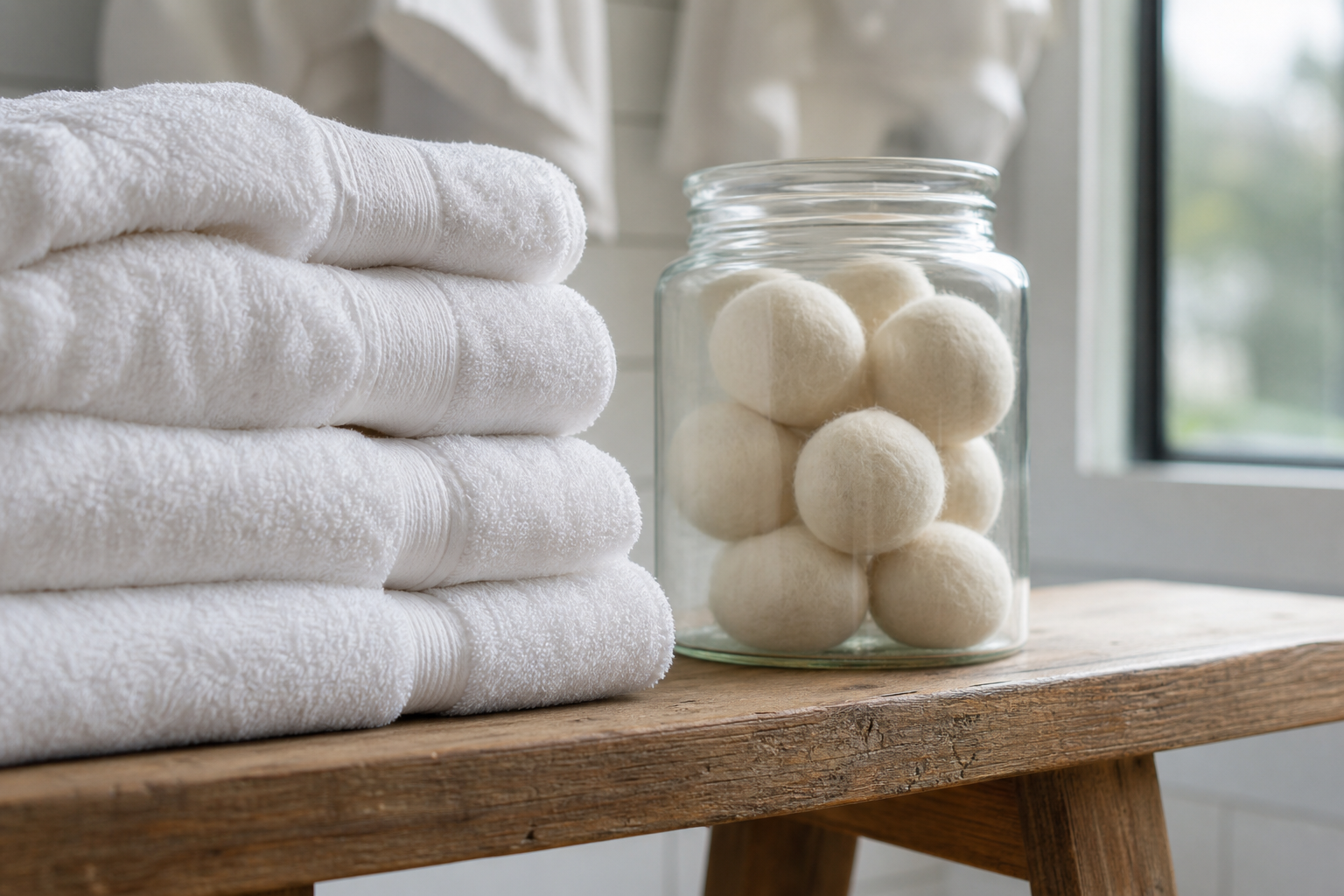
- Using Fabric Softener: Liquid fabric softeners work by coating fibers in a thin layer of fat and fragrance. It is a nightmare for sensitive skin. Switch to wool dryer balls instead.
- Too Much Soap: More soap does not equal cleaner clothes. In fact, it leads to buildup that creates a sandpaper-like texture on your favorite shirts.
When to Call in the Professionals
Sometimes, the buildup in a home—from the carpets to the curtains to the laundry room—reaches a point where DIY solutions aren't enough. If you find yourself constantly battling skin irritation despite changing your detergent, it might be time for a deep reset of your living environment.
A professional deep cleaning service can remove the deep-seated allergens and dust that settle on your surfaces, which eventually end up on your clothes and bedding. For a comprehensive home refresh, checking out professional services can take the burden off your shoulders. In the Metro Atlanta area, professional deep cleans typically range from $150 for a basic touch-up to $450+ for a detailed top-to-bottom sanitization of a large family home. Investing in a professional cleaning once a quarter can significantly reduce the allergen load in your home, making your search for the best laundry detergent for sensitive skin 2026 much more effective.
Frequently Asked Questions
Q.Does Atlanta's hard water affect how my laundry detergent works for my skin?
Yes, hard water minerals like calcium and magnesium can react with detergent to form 'curd' that sticks to fabric fibers. This makes clothes feel scratchy and traps irritants against your skin. If you live in an area with hard water, using a slightly higher dose of a high-quality sensitive detergent or a water softener is essential.
Q.Are 'Free and Clear' detergents really better for eczema?
Absolutely. 'Free and Clear' signifies the absence of dyes and perfumes, which are the two most common triggers for contact dermatitis and eczema flare-ups. In 2026, these formulas have become just as effective at stain removal as their scented counterparts, making them a no-compromise choice for Atlanta families.
Q.Can the high humidity in Georgia cause my detergent to grow mold?
While the detergent itself won't usually grow mold, the moisture in your Atlanta laundry room can cause powdered detergents to clump and liquid bottles to develop biofilm around the cap. More importantly, humidity trapped in your washing machine's seal can transfer mold to your 'clean' clothes, causing skin reactions that look like a detergent allergy.
Q.What is the best way to wash workout gear for sensitive skin after a run on the Beltline?
Synthetic moisture-wicking fabrics trap oils and bacteria more than cotton. Use a detergent with lipase enzymes specifically designed to break down body oils, and always opt for an extra rinse cycle. Avoid fabric softeners, as they clog the 'breathable' pores of the fabric, trapping sweat and bacteria against your skin.
Q.Should I use wool dryer balls instead of dryer sheets for sensitive skin?
Yes, 100%. Dryer sheets are saturated with fragrances and softening chemicals that are designed to stay on your clothes. Wool dryer balls provide a physical way to soften fabric and reduce static without adding any chemical residue, making them the safest choice for reactive skin in 2026.
Ready for a Cleaner Home?
Get a free quote from Fuego Fresh Cleaning Services today. Background-checked, fully insured, ridiculously detail-focused.
Comments
Loading comments…