How to Clean Sliding Glass Door Tracks with Vinegar and Baking Soda: An Atlanta Homeowner's Guide
Tired of gritty sliding door tracks slowing you down? This comprehensive guide explains how to use household staples to restore smooth operation in your Atlanta home.

How to Clean Sliding Glass Door Tracks with Vinegar and Baking Soda
If you live in Atlanta, you know the struggle of maintaining a pristine home against the elements. Whether you are enjoying the lush greenery of Buckhead or the urban vibrance of the Old Fourth Ward, your sliding glass doors are the gateway to your outdoor space. However, between the infamous Georgia pollen season and the inevitable tracking of red clay, those tracks can quickly become a graveyard for grit and grime. Knowing how to clean sliding glass door tracks with vinegar and baking soda isn't just a cleaning hack; it is a necessary skill for any local homeowner who wants their home to function as beautifully as it looks.
When your sliding door starts to stick or make that dreadful grinding sound, it isn't just annoying—it is a sign that abrasive debris is wearing down the rollers. In this guide, we will walk you through the most effective, eco-friendly way to deep clean those tracks using simple pantry staples.
Why Your Tracks Are So Grimy (The Atlanta Reality)
Atlanta presents a unique set of challenges for home maintenance. The high humidity in neighborhoods like Virginia Highland can turn dry dust into a sticky paste inside your door tracks.
The Red Clay Factor
Georgia’s signature red clay is high in iron and incredibly fine. When it rains, this silt washes onto patios and into the crevices of your door frames. Once it dries, it cakes onto the lubricant of the door rollers, creating a sludge that soap alone won't touch.
Pollen and Pine Needles
During the spring, the yellow haze of pollen settles everywhere. It finds its way into the smallest gaps of your sliding doors. If left untreated, this organic matter can actually trap moisture, leading to mold growth in the hidden corners of your door assembly.
The Science of Vinegar and Baking Soda
Many people wonder why we use this specific combination. When you mix baking soda (a base) with vinegar (an acid), a chemical reaction occurs that creates carbon dioxide gas. This bubbling action physically lifts dirt and debris from the surface, making it significantly easier to wipe away without harsh scrubbing that could scratch the aluminum or vinyl tracks.
What You Will Need
- White distilled vinegar
- Baking soda (sodium bicarbonate)
- An old toothbrush or a stiff-bristled detail brush
- Microfiber cloths
- A vacuum with a crevice tool attachment
- A butter knife or flathead screwdriver (for corners)
- Hydrogen peroxide (optional for mold spots)
Step-by-Step: How to Clean Sliding Glass Door Tracks with Vinegar and Baking Soda
Step 1: The Initial Vacuum
Never start by adding liquids. Use your vacuum’s crevice tool to suck up loose hair, dead bugs, and the bulk of the Atlanta dust. If you skip this, you’ll just be creating a "mud" that is harder to manage later. Pay special attention to the ends of the tracks where debris tends to get compressed by the door.
Step 2: The Baking Soda Application
Sprinkle a generous amount of baking soda along the entire length of the track. Focus more heavily on the areas that look dark or greasy. You don't need to bury the track, but ensure there is an even coating over the visible metal or plastic.
Step 3: The Vinegar Reaction
Pour white vinegar over the baking soda. You will see an immediate fizzing reaction. This is the "magic" moment where the bubbling action breaks the bond between the Georgia clay and your door frame. Let this sit for about 5 to 10 minutes. This dwell time is crucial for loosening stubborn, baked-on grime.
Step 4: The Scrub Down
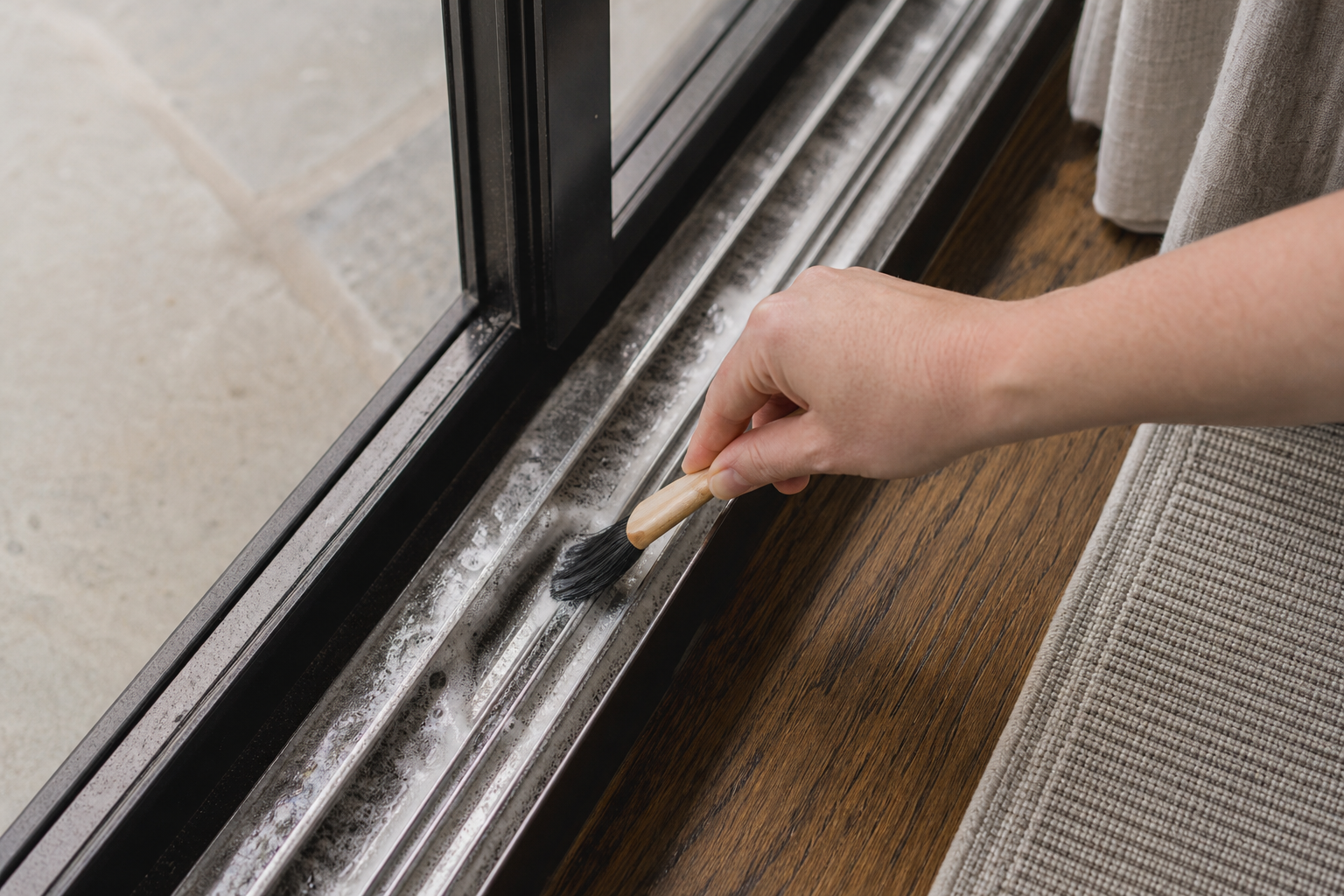
Use your toothbrush to scrub the tracks. The baking soda acts as a mild abrasive, helping you move the loosened dirt. Start from one end and work your way to the other. For those tight corners that a toothbrush can't reach, wrap a thin microfiber cloth around a butter knife and slide it into the crevices.
Step 5: The Final Wipe and Rinse
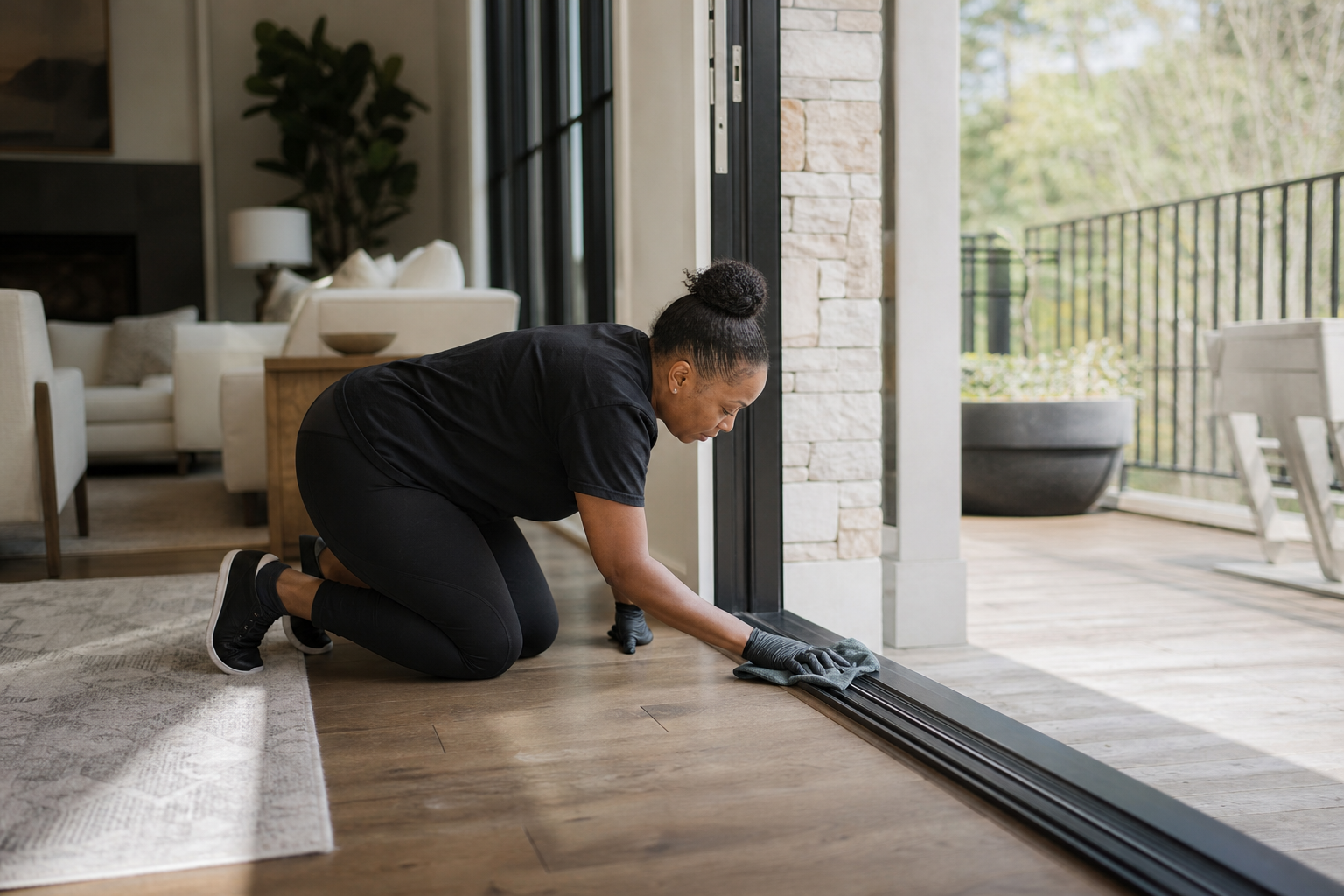
Use paper towels or a rag you don't mind ruining to wipe away the spent vinegar and baking soda paste. You may need to do this a few times. Once the bulk is gone, use a damp microfiber cloth to do a final pass. It is vital to remove all baking soda residue, as dried white powder can look just as messy as the dirt you started with.
Expert Cleaning Tips for Atlanta Homes
Cleaning is only half the battle; maintaining that smooth glide is where the real value lies.
- Dry Lubrication is Key: After cleaning, many homeowners make the mistake of using WD-40 or grease. In a dusty environment like Atlanta, wet lubricants act as a magnet for dirt. Instead, use a silicone-based dry lubricant. Spray it onto a cloth and wipe the tracks down.
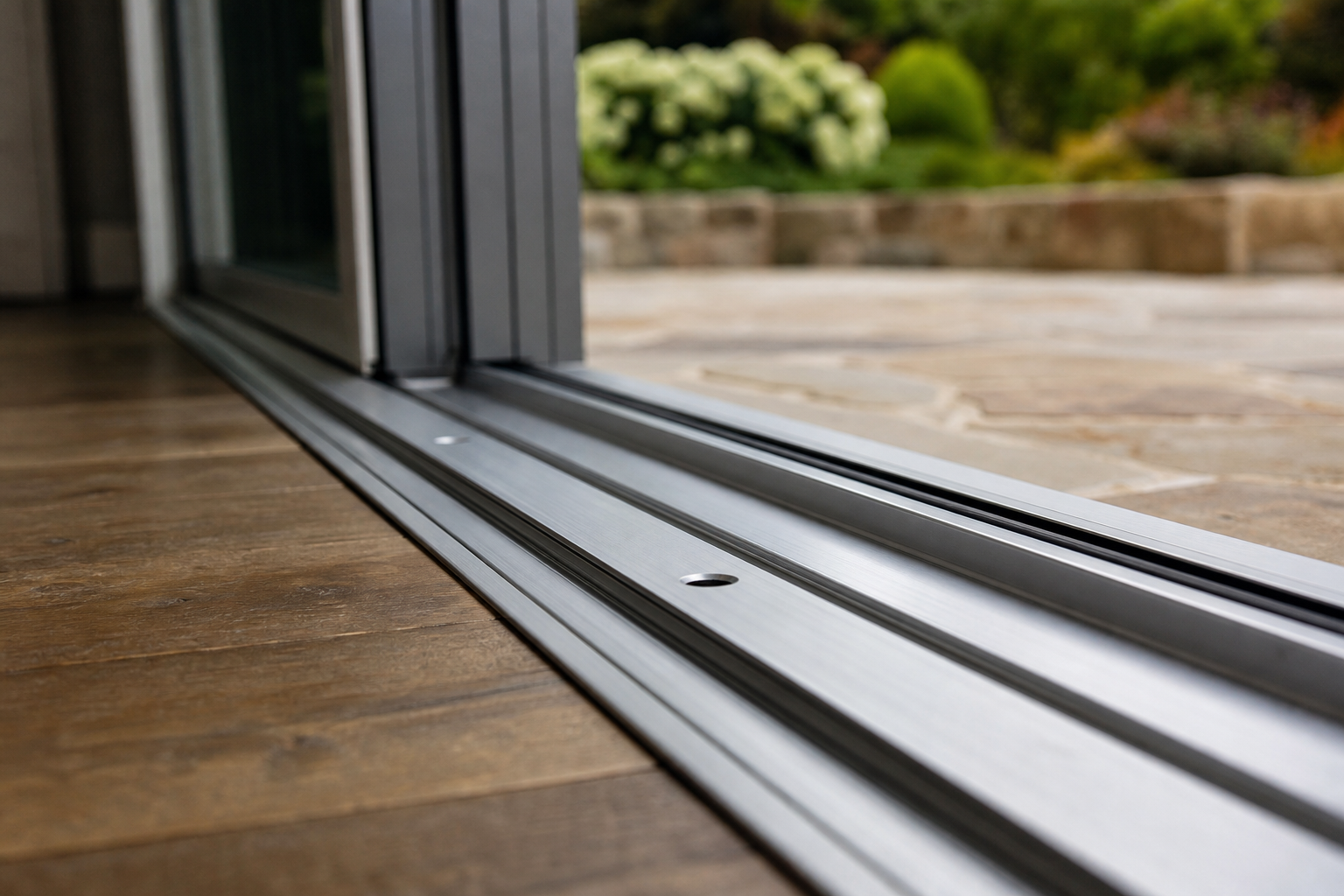
- Check the Weep Holes: Sliding door tracks have small drainage holes (weep holes) to let rainwater out. If these are clogged with baking soda or clay, water will back up into your home during a summer thunderstorm. Use a pipe cleaner to ensure these are clear.
- Seasonal Frequency: Aim to perform this deep clean twice a year—once after the spring pollen dump and once in late autumn before the winter rains set in.
Common Mistakes to Avoid
Even with the best intentions, DIY cleaning can go wrong.
- Using Metal Scrapers: Never use a metal putty knife directly on the track. You can scratch the finish, leading to permanent unsightly marks or even rust on older steel tracks.
- Over-Wetting the Area: While vinegar is great, don't flood the tracks. Excess liquid can seep under the threshold and damage your subfloor, especially in older homes in Midtown or Inman Park.
- Ignoring the Rollers: A clean track is useless if the rollers are caked in hair and grease. While the door is open, try to wipe the bottom of the door itself to remove any hanging debris.
When to Hire a Professional
Sometimes, a simple DIY fix isn't enough. If you’ve cleaned the tracks but the door still requires a Herculean effort to move, the rollers may be broken or the track itself might be warped. Furthermore, if you are moving into a new home in a neighborhood like Sandy Springs or Brookhaven, you might want a professional deep clean to handle years of neglected buildup.
Professional cleaning services provide a level of detail that is hard to achieve with a toothbrush. At Fuego Fresh, we integrate track detailing into our premium services to ensure your home doesn't just look clean, but functions perfectly.
The Cost of Professional Cleaning in Atlanta
If you decide to outsource your home maintenance, pricing in the Metro Atlanta area typically ranges based on the size of the home and the level of buildup. For a standard professional deep clean that includes detail work like sliding door tracks, window sills, and baseboards, you can expect to pay anywhere from $150 to $450. Factors like the square footage and whether you are in a high-rise condo or a sprawling suburban estate will influence the final pricing.
Investing in professional help can save you hours of labor and ensure that delicate finishes are handled with the right equipment. If your weekend is better spent walking the Beltline or exploring Ponce City Market, let a professional team handle the heavy lifting. You can easily check availability and booking options online to get your home back to its best state.
Frequently Asked Questions
Q.How often should I clean my sliding door tracks in Atlanta?
Due to the high pollen count and heavy red clay dust in the Metro Atlanta area, we recommend a deep clean twice a year. Typically, performing this task in late May (after pollen season) and again in November will keep your doors sliding smoothly year-round.
Q.Will vinegar and baking soda damage my aluminum tracks?
No, this combination is generally safe for aluminum, vinyl, and stainless steel tracks. The reaction is mild, but you should always ensure you rinse the area with a damp cloth afterward to remove any acidic vinegar or abrasive baking soda residue.
Q.My door is still hard to move after cleaning. What's wrong?
If the tracks are spotless but the door sticks, your rollers are likely the culprit. Over time, the internal bearings can fail or become clogged with hair. You may need to adjust the roller height using the screws at the bottom of the door or replace the rollers entirely.
Q.Can I use bleach instead of vinegar?
We do not recommend bleach for this task. Bleach can be corrosive to metal tracks and can damage nearby hardwood flooring or carpet if it splashes. Vinegar is safer, eco-friendly, and more effective at breaking down the mineral deposits found in Georgia soil.
Q.How do I prevent the 'black gunk' from coming back?
The best prevention is using a dry silicone lubricant rather than oil-based products. Additionally, keeping your patio or deck swept clean will reduce the amount of debris that gets blown into the tracks by the wind or tracked in by pets.
Ready for a Cleaner Home?
Get a free quote from Fuego Fresh Cleaning Services today. Background-checked, fully insured, ridiculously detail-focused.
Comments
Loading comments…