Pro-Level Cleaning Hacks for Making Floors Smell Fresh for Days
Tired of that post-mop scent vanishing in an hour? Learn how Atlanta's unique humidity affects your home's aroma and discover the specific hacks to keep your floors smelling incredible for days.

Pro-Level Cleaning Hacks for Making Floors Smell Fresh for Days
If you live in a classic bungalow in Virginia-Highland or a modern high-rise in Midtown, you know the struggle: you spend your Saturday morning scrubbing the hardwood or tile, only for that "clean house" scent to vanish by the time the sun sets over the Beltline. In our humid Georgia climate, odors tend to linger and multiply, especially if you have pets or kids dragging in red clay and oak pollen. Finding the right cleaning hacks for making floors smell fresh for days isn't just about the perfume in the bottle; it’s about the chemistry of your home.
In this guide, we aren't talking about surface-level masks. We are diving into deep-cleaning strategies that neutralize odors at the source, ensuring your home smells as crisp as a spring morning at Piedmont Park, even in the dead of August. We will cover everything from the equipment you need to the exact recipes for long-lasting freshness.
Why Your Floors Lose Their Scent (The Atlanta Factor)
Before we fix the smell, we have to understand why it leaves. Most homeowners in Metro Atlanta deal with two major enemies: high humidity and high traffic.
The Role of Humidity in Odor Retention
Atlanta’s humidity acts like a sponge for smells. When moisture levels are high, porous surfaces like grout lines in Buckhead kitchens or the wood grain in older Inman Park homes absorb moisture from the air. If there is even a trace of bacteria or old cleaning residue on the floor, the humidity reactivates those molecules, leading to that "musty" smell.
The Residue Trap
Many store-bought cleaners contain surfactants that leave a sticky film behind. This film is a magnet for dust and pet dander. As you walk across the floor, you're essentially grinding organic material into a layer of glue. That organic material eventually rots, causing the freshness to fade almost instantly after mopping.
Secret Cleaning Hacks for Making Floors Smell Fresh for Days
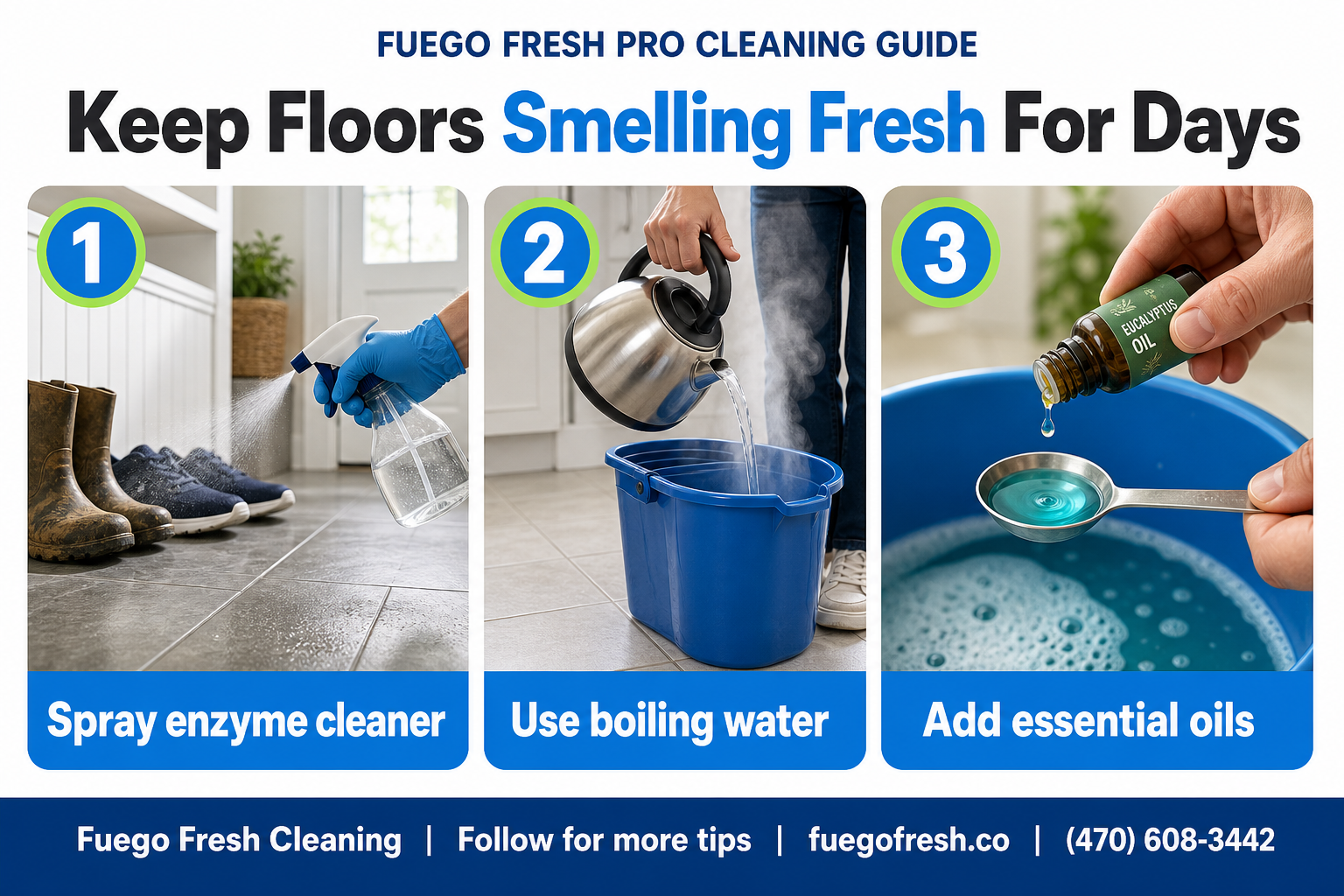
To achieve a scent that lasts, you need to transition from "cleaning" to "deodorizing." Here are the specific hacks utilized by high-end cleaning professionals to ensure a lasting aroma.
1. The Pre-Clean Enzyme Soak
If you have pets, traditional mopping won't cut it. Use an enzymatic cleaner specifically designed for floors before you do your main mop. These enzymes actually "eat" the bacteria that cause odors rather than just covering them up with lavender or lemon scents. Spray the high-traffic areas—like the mudroom where you kick off your shoes after a walk at Chastain Park—and let it sit for ten minutes before wiping.
2. The Boiling Water Technique
Most people use lukewarm tap water. For a truly fresh scent, use distilled water brought to a near-boil (be careful with luxury vinyl plank, which can warp with excessive heat). Hot water opens the "pores" of tile and stone, allowing your cleaning solution to penetrate deeper. When the floor dries quickly due to the heat, it prevents the damp, sour smell that comes from air-drying in humid weather.
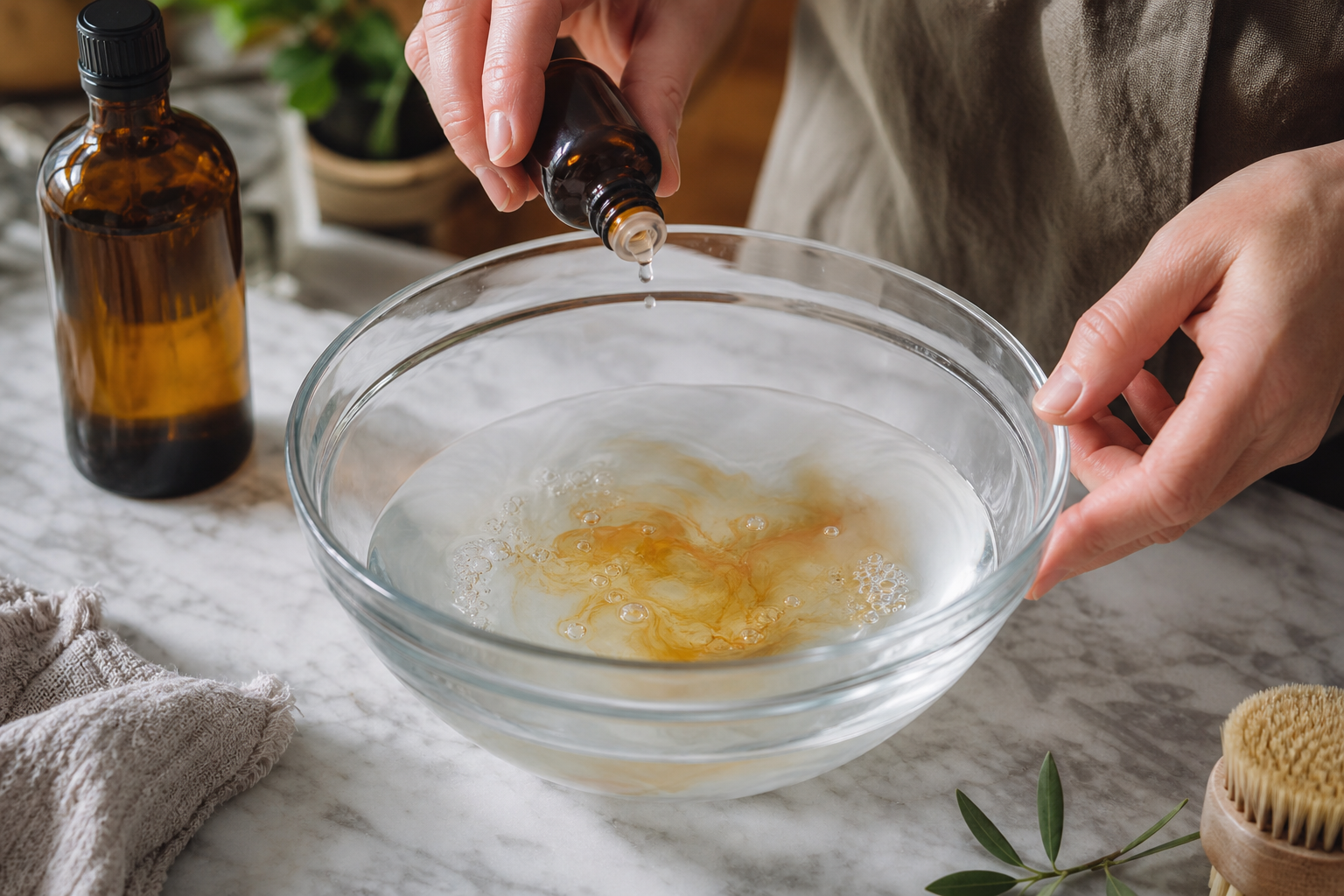
3. Essential Oil Emulsification
Instead of synthetic floor cleaners, create a custom blend. Add 10 drops of high-grade Eucalyptus or Lemongrass essential oil to a tablespoon of Castile soap before adding it to your water. The soap acts as an emulsifier, spreading the oil evenly so it leaves a microscopic, fragrant barrier on the floor that releases scent every time someone walks over it.
Mastering the Technique: Tools and Solutions
Having the right tools is half the battle. If you are still using a traditional cotton string mop, you are likely just moving dirty, smelly water around your Brookhaven living room.
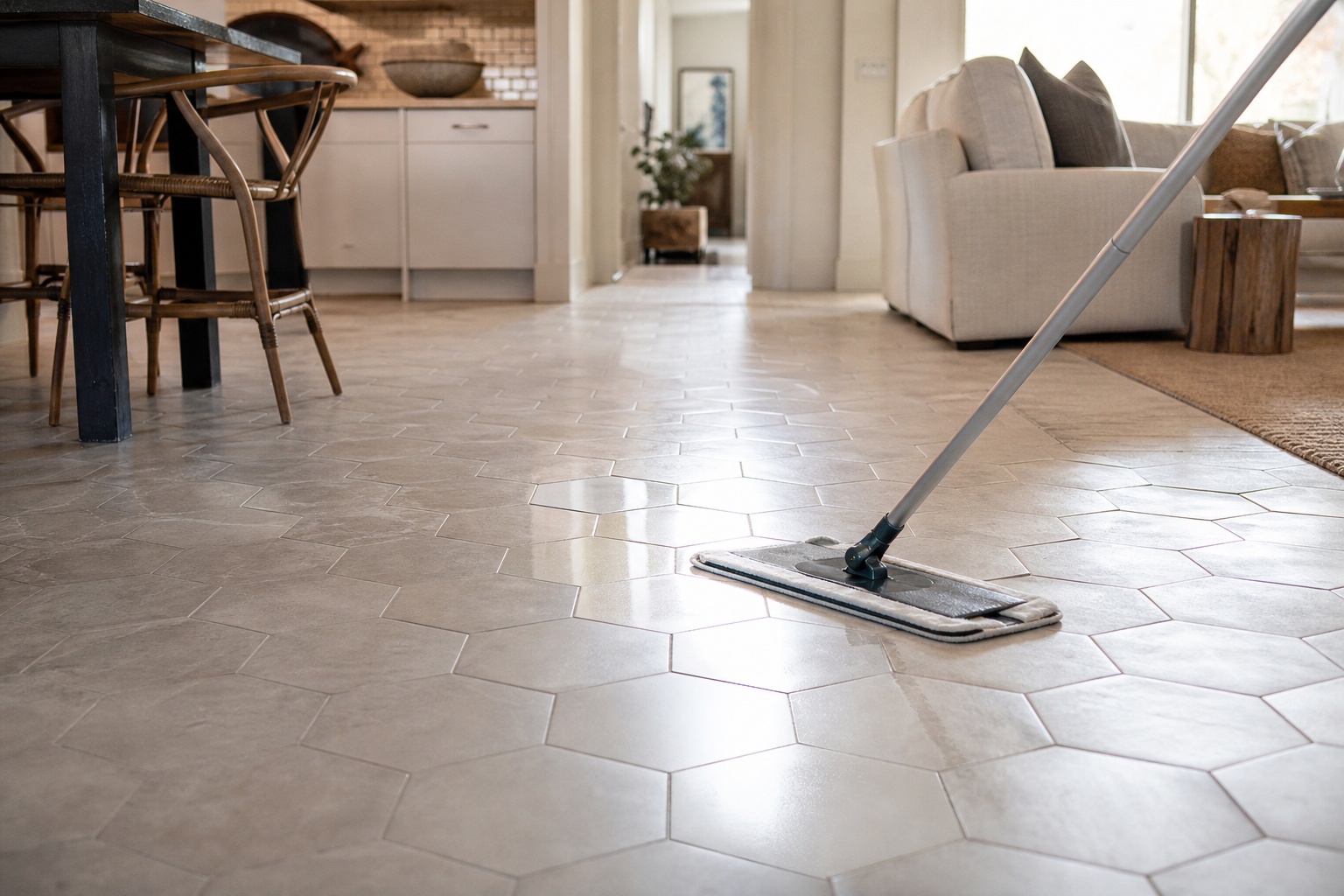
Switch to Microfiber
Microfiber pads are designed to lift and trap particles rather than push them. For a scent that lasts, use a fresh microfiber pad for every room. This prevents cross-contamination—you don't want the kitchen grease odors being wiped onto your bedroom floors.
The Vinegar Rinse (The "Reset" Hack)
Once a month, mop with nothing but a 1:4 ratio of white vinegar and distilled water. While it smells like pickles for twenty minutes, once it dries, the vinegar smell disappears, taking every other odor with it. This strips away the waxy buildup from commercial cleaners, leaving a clean slate for your scented hacks to work better.
What Does Professional Floor Rejuvenation Cost in Atlanta?
Sometimes, the odors are embedded so deeply into the grout or the subfloor that DIY hacks can only do so much. If you are considering professional services, here is what you can expect to pay in the Metro Atlanta area:
- Standard Recurring Cleaning: For a typical 2,000 sq. ft. home in Sandy Springs or Decatur, prices usually range from $150 to $250. This keeps the scent baseline high.
- Deep Cleaning/Move-In Cleaning: If the floors have years of buildup, a deep clean can range from $300 to $550. This often includes baseboard scrubbing, which is a hidden source of floor odors.
- Specialized Floor Treatments: Professional steam cleaning or high-speed buffing for hardwoods can add $100 to $200 to a service but is the ultimate way to reset the "smell" of a home.
Check out our pricing guide for a more detailed breakdown of how we price based on your specific neighborhood and home size.
Expert Cleaning Tips for Specific Floor Types
Every floor type in Georgia homes requires a different touch to maintain that fresh aroma.
Hardwoods in Historic Homes
Never over-saturate. For homes in Cabbagetown or Grant Park with original hardwoods, use a damp (not wet) microfiber mop. A drop of cedarwood oil in your solution complements the natural wood scent and lasts for days.
Tile and Grout in Modern Builds
Grout is the primary culprit for bad smells. Every six months, use a paste of baking soda and water on your grout lines. Let it sit, then scrub with a stiff brush. This removes the "hidden" smells that mopping alone misses.
Common Mistakes to Avoid
- Over-Saturating: Using too much water leads to mold growth under the floorboards, especially in Georgia's climate. This creates a permanent "old basement" smell.
- Using Bleach on Everything: Bleach kills germs but it doesn't clean dirt. It also has a harsh chemical odor that many people find unpleasant after the initial "clean" feeling wears off.
- Ignoring the Baseboards: Dust and pet hair settle in the crevice between the floor and the baseboard. If you don't clean this, your floors will never truly smell fresh.
- Reusing Mop Water: If the water in your bucket looks gray, you are no longer cleaning; you are painting your floor with thin, smelly mud.
Conclusion
Achieving that elusive, long-lasting freshness is a combination of removing the old residue and using the right natural enhancers. By neutralizing bacteria with enzymes, using microfiber to prevent buildup, and avoiding the common pitfalls of Atlanta's humidity, you can keep your home smelling like a luxury boutique hotel.
However, we know that life in Atlanta is busy. Between commuting on the Connector, weekend trips to the North Georgia mountains, or just enjoying a Sunday at the Krog Street Market, you might not have the hours required to deep-clean your floors to this standard. When the DIY hacks aren't enough, it’s time to call in the experts who have the industrial equipment to truly reset your home’s atmosphere.
You can easily book your cleaning online to have a Fuego Fresh pro handle the heavy lifting while you enjoy the results.
Frequently Asked Questions
Q.Why do my floors smell like a wet dog even after I mop?
This usually happens because the mop water is being pushed into the grout or wood grain, and the Georgia humidity is preventing it from drying quickly. The moisture reacts with old pet dander trapped in the floor's pores. To fix this, use an enzymatic cleaner and ensure you turn on your AC or ceiling fans to speed up the drying process.
Q.Is it safe to use essential oils on my hardwood floors?
Yes, but only if they are properly emulsified in a carrier like Castile soap and diluted in water. Never drop pure essential oils directly onto wood, as they can damage the finish. A small amount of lemon or pine oil can provide a natural, long-lasting scent without the sticky residue of commercial cleaners.
Q.How often should I deep clean my floors in Atlanta to prevent odors?
Due to the high levels of pollen and dust in Metro Atlanta, we recommend a thorough deep clean every 3 to 4 months. For households with pets in areas like Smyrna or Marietta, a monthly "reset" with a vinegar-water solution will help prevent the buildup of odor-causing bacteria.
Q.What is the best way to get the 'red clay' smell out of my entryway?
Georgia red clay is acidic and porous. First, vacuum thoroughly to remove dry particles, then use a pH-neutral cleaner with a microfiber mop. Avoid using heavy waxes, which trap the clay particles and their earthy scent against the floor surface.
Q.Do I really need to clean my baseboards to make my floors smell better?
Absolutely. Baseboards act as a shelf for dust, pet hair, and kitchen grease. When you mop, the moisture can splash onto this dust, creating a damp, musty aroma that lingers at floor level. Wiping baseboards with a scented dryer sheet or a damp microfiber cloth is a pro hack for total room freshness.
Ready for a Cleaner Home?
Get a free quote from Fuego Fresh Cleaning today. Background-checked, fully insured, ridiculously detail-focused.
Comments
Loading comments…