Cleaning Hacks You Should Never Try at Home: An Atlanta Homeowner's Guide
Discover why popular viral cleaning trends might be ruining your Atlanta home and learn the safe, professional methods used by experts to maintain high-end finishes.

Cleaning Hacks You Should Never Try at Home: Protecting Your Atlanta Haven
If you spend any time scrolling through social media while lounging in a coffee shop in Buckhead or waiting for your order at Krog Street Market, you’ve likely seen them: "miracle" cleaning hacks. These short, snappy videos promise to make your oven shine like new with a weird paste or turn your laundry into a spa-level experience using half a bottle of dish soap. However, there is a dark side to these viral trends. Many of these cleaning hacks you should never try at home can actually lead to permanent property damage, toxic chemical reactions, or expensive restoration bills.
In the humid climate of Atlanta, where pollen season coats everything in yellow dust and the humidity levels can turn a small mistake into a moldy disaster, knowing what not to do is just as important as knowing how to clean. Today, we’re debunking the dangerous myths and providing professional alternatives that keep your home safe and pristine.
1. The Chemistry Class Catastrophe: Mixing Chemicals
One of the most dangerous cleaning hacks you should never try at home involves the DIY chemistry experiments people perform in their laundry rooms or bathrooms.
The Bleach and Vinegar Trap
It sounds logical: bleach kills germs, and vinegar cuts through hard water stains common in North Atlanta plumbing. Surely mixing them creates a super-cleaner? Absolutely not. Mixing bleach and vinegar creates toxic chlorine gas. In a small, poorly ventilated bathroom in a midtown condo, this can lead to coughing, breathing problems, and chemical burns.
The Ammonia and Bleach Error
Similarly, mixing ammonia (found in many glass cleaners) with bleach creates chloramine vapors. If you are cleaning your windows to get a better view of the skyline and decide to add a splash of bleach for "extra power," you are creating a hazardous environment. Always read the labels. If a surface needs both products, rinse thoroughly between applications and wait for the area to dry completely.
2. The Kitchen Myths: Ovens and Dishwashers
Kitchens in luxury Atlanta homes—from the sleek modern builds in Old Fourth Ward to the historic estates in Druid Hills—often feature high-end stainless steel and delicate stone.
Dish Soap in the Dishwasher
We’ve all seen the hack where someone runs out of detergent and uses a few drops of Dawn instead. This is a recipe for a "suds-pocalypse." Regular dish soap is designed to create excessive bubbles; dishwashers are not. This hack can cause your machine to leak, potentially damaging your hardwood floors or cabinetry. A repair visit for water damage can easily cost hundreds, far exceeding the price of a professional cleaning service.
The "Self-Clean" Steam Hack
Some suggest putting a bowl of water and lemons in an oven and turning it to the highest heat to "steam" the grease away. While steam is great, the excessive moisture combined with high heat can short out the sensitive electronic control boards in modern ranges. Repairing a Wolf or Viking control panel in a gourmet kitchen is a four-figure mistake you don't want to make.
3. Floor Faux Pas: Why "Natural" Isn't Always Better
Atlanta homeowners take great pride in their flooring, whether it’s the original heart pine in a Cabbagetown cottage or the white oak in a new Milton construction.
Vinegar on Hardwood and Stone
Because vinegar is acidic, it is often touted as a natural disinfectant. However, using vinegar on finished hardwood floors will eventually eat away at the polyurethane coating, leaving them dull and susceptible to water damage. Even worse, using vinegar on natural stone like marble or travertine—popular in Sandy Springs master baths—will cause permanent etching (physical pits in the stone) that requires professional grinding to fix.
Over-Saturation of Carpets
Another hack involves using excessive water and baking soda to lift stains. In Atlanta’s 80% humidity, an over-saturated carpet won't dry quickly enough. This creates a breeding ground for mold and mildew beneath the fibers. Instead of a clean rug, you end up with a musty smell that permeates the entire house.
4. The Viral Laundry "Stripping" Trend
Laundry stripping—soaking clothes in a bathtub with a cocktail of Borax, washing soda, and detergent for hours—is a visual favorite on TikTok. While the murky water looks satisfying, it’s often just the dyes from your clothes and the breakdown of the fabric fibers.
Damaging Your Textiles
Most modern high-efficiency (HE) detergents are designed to work perfectly with very little water. Stripping can weaken the elastic in your gym gear used for runs on the Beltline and fade the vibrant colors of your designer linens. A better approach is to use the correct amount of detergent and a dedicated professional deep clean for your home environment every few months.
Expert Cleaning Tips for Atlanta Homes
Instead of risky hacks, follow these professional-grade tips tailored for our local environment:
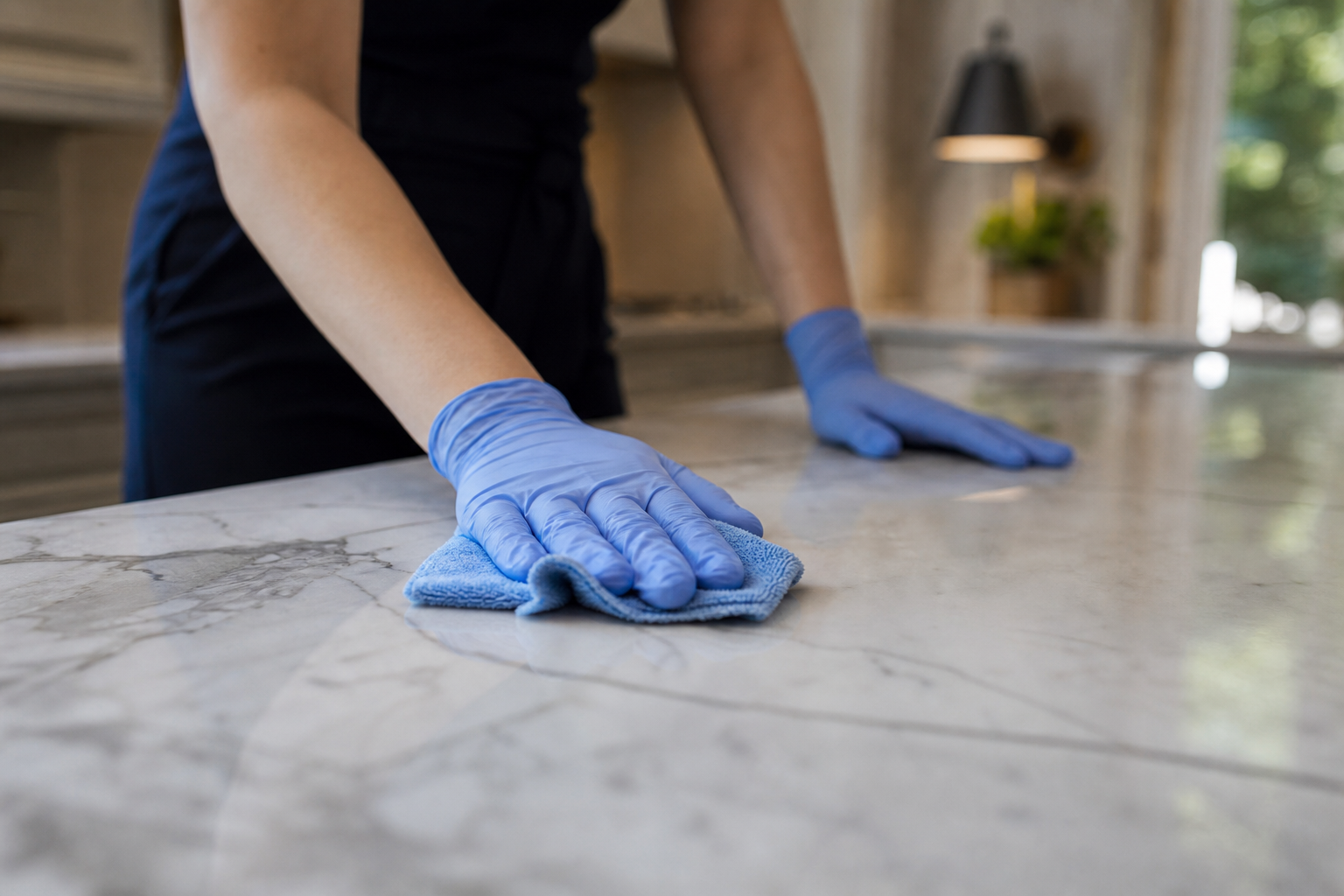
- Microfiber is King: Skip the paper towels. High-quality microfiber cloths lift dust and allergens (looking at you, Georgia pollen) without scratching surfaces.
- Top-Down Approach: Always clean from the ceiling fans down to the baseboards. In tall-ceilinged Atlanta lofts, this prevents you from getting dust on already-cleaned floors.
- PH-Neutral Cleaners: For your stone and wood, stick to PH-neutral cleaners. They are safe for the finish and your family.
- Dehumidify: Keep your HVAC system running or use a dehumidifier. Dry air makes cleaning easier and prevents the "sticky" feeling common in Southern summers.
Common Mistakes to Avoid
- Scrubbing Stains: Never scrub a carpet or upholstery stain; it pushes the liquid deeper and frays the fibers. Always blot.
- Using Abrasives on Stainless Steel: Avoid steel wool or harsh scouring powders on your appliances. They leave micro-scratches that trap grease and look dull over time.
- Ignoring the Filter: Whether it’s your vacuum, your dishwasher, or your HVAC, dirty filters circulate dust and bacteria back into your home.
- Rushing the Process: Most cleaners need "dwell time" to work. Spray, wait five minutes, then wipe.
The Cost of Professional Maintenance in Atlanta
When these hacks go wrong, the cost of restoration is high. Hiring a pro is an investment in your property value. In the Metro Atlanta area, professional cleaning rates typically range as follows:
- Standard Maintenance Clean: $150 – $250 (Ideal for keeping up with the basics in a 2-3 bedroom home).
- Deep Cleaning / Move-In Clean: $300 – $550 (Necessary for removing built-up grime or preparing a home in Virginia-Highland for market).
- Post-Construction / Specialty: $600+ (For those massive renovations in Inman Park).
If you find yourself overwhelmed by the buildup or worried about damaging your expensive finishes, it might be time to skip the DIY experiments. You can easily check our booking availability to see how a professional team handles the heavy lifting.
Conclusion
Your home is likely your biggest investment. While the allure of a 30-second cleaning hack is strong, the risks to your health and your property are simply too high. Stick to proven methods, use the right tools for the job, and when in doubt, call in the experts who understand the specific needs of Atlanta residences. Protecting your sanctuary starts with saying no to the "miracle" hacks and yes to consistent, professional care.
Frequently Asked Questions
Q.Is it safe to use vinegar and baking soda to clear a clogged drain?
While the fizzing reaction looks impressive, it is mostly show. The reaction creates salt and carbon dioxide, which lacks the pressure to move a physical clog. For Atlanta homes with older PVC or metal pipes, repeated use can actually weaken seals; it's better to use a plastic drain snake or call a plumber.
Q.How do I deal with the yellow pollen buildup on my porch every spring?
Avoid just hosing it down, which can create a sticky yellow paste that stains. Use a leaf blower first to remove the dry loose pollen, then use a damp microfiber mop with a PH-neutral soap. This prevents the pollen from embedding into the wood or stone grain.
Q.Can I use hairspray to remove ink stains from my sofa?
This is a dated hack from when hairspray contained high alcohol content. Modern hairsprays often contain oils and lacquers that can leave a permanent gummy residue on upholstery. Use rubbing alcohol on a cotton ball to blot the stain carefully instead.
Q.Why does my home still feel dusty even after I clean?
In Atlanta, our high humidity can cause dust to 'stick' to surfaces. If you aren't changing your HVAC filters every 30-90 days, your system is likely blowing dust back into the rooms. Ensure you are cleaning top-to-bottom and using damp cloths rather than dry feather dusters.
Q.What is the best way to clean my granite countertops without damaging them?
Avoid anything acidic like lemon or vinegar, which causes etching. Use warm water and a small amount of mild dish soap, or a dedicated stone cleaner. To test if your sealant is still working, drop a bit of water on the surface; if it doesn't bead up, it's time to reseal.
Ready for a Cleaner Home?
Get a free quote from Fuego Fresh Cleaning Services today. Background-checked, fully insured, ridiculously detail-focused.
Comments
Loading comments…