DIY Homemade Stain Remover for White Clothes with Dish Soap and Peroxide: The Atlanta Guide
Discover the secret ratio of dish soap and peroxide to revive your white garments, specially tested for tough Atlanta stains like Georgia red clay and summer humidity yellowing.
The Ultimate Homemade Stain Remover for White Clothes with Dish Soap and Peroxide
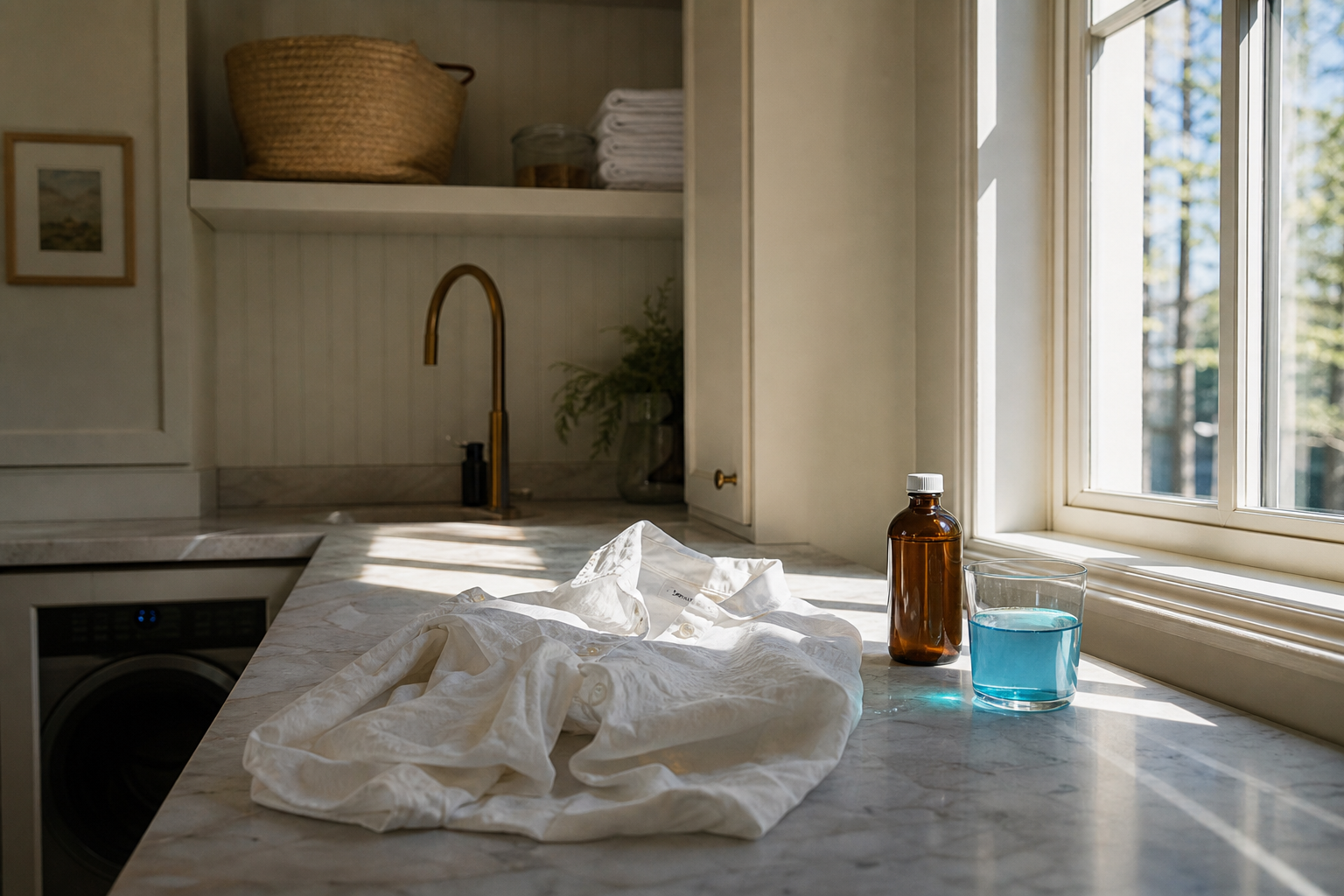
There is nothing quite like the feeling of stepping out in a crisp, bright white linen shirt for a Saturday morning stroll along the Atlanta Beltline or a brunch in Buckhead. However, living in the A-Town comes with its own set of wardrobe hazards. Between the notorious Georgia red clay that seems to cling to everything and the yellowing caused by our brutal humidity and high pollen counts, keeping whites pristine is a constant battle.
If you have ever stared at a stubborn coffee spill or a yellowed collar and wondered if your garment was destined for the rag bin, there is a simple, chemical-free solution sitting in your kitchen and medicine cabinet. Today, we are breaking down the science and application of a homemade stain remover for white clothes with dish soap and peroxide—a combination so effective it rivals professional-grade cleaners but costs pennies to make.
Why This DIY Formula Works for Atlanta Homeowners
The magic of this mixture lies in the synergistic relationship between its two main ingredients. When you mix hydrogen peroxide with concentrated dish soap, you are creating a cleaning agent that attacks stains on two distinct fronts.
The Role of Hydrogen Peroxide
Hydrogen peroxide ($H_2O_2$) is essentially water with an extra oxygen molecule. It acts as a mild, color-safe bleach. Unlike harsh chlorine bleach, which can actually weaken fabric fibers and cause white clothes to turn a sickly yellow over time, peroxide gently lifts pigmentation without destroying the integrity of the cotton or linen. It is particularly effective on organic stains like blood, wine, and the dreaded yellow underarm stains caused by the reaction between sweat and aluminum-based deodorants during a hot July afternoon at Piedmont Park.
The Power of Dish Soap
While peroxide lifts the color, dish soap handles the grease. High-quality dish soaps (like Dawn) are formulated to break down heavy lipids and oils. In Atlanta, our stains are often "combination" stains. That grease from a Fox Bros. Bar-B-Q sandwich or the natural oils from your skin trapped in the humidity needs a surfactant to loosen them from the weave of the fabric so the peroxide can do its work.
How to Make and Use the Homemade Stain Remover for White Clothes with Dish Soap and Peroxide
Creating this solution is straightforward, but the ratio matters. If you use too much soap, you’ll be rinsing out bubbles for an hour; too little, and the oils won't budge.
The Golden Ratio
For most standard stains, use a 2:1 ratio: two parts hydrogen peroxide (3% concentration, which is the standard brown bottle at Publix or Kroger) to one part dish soap.
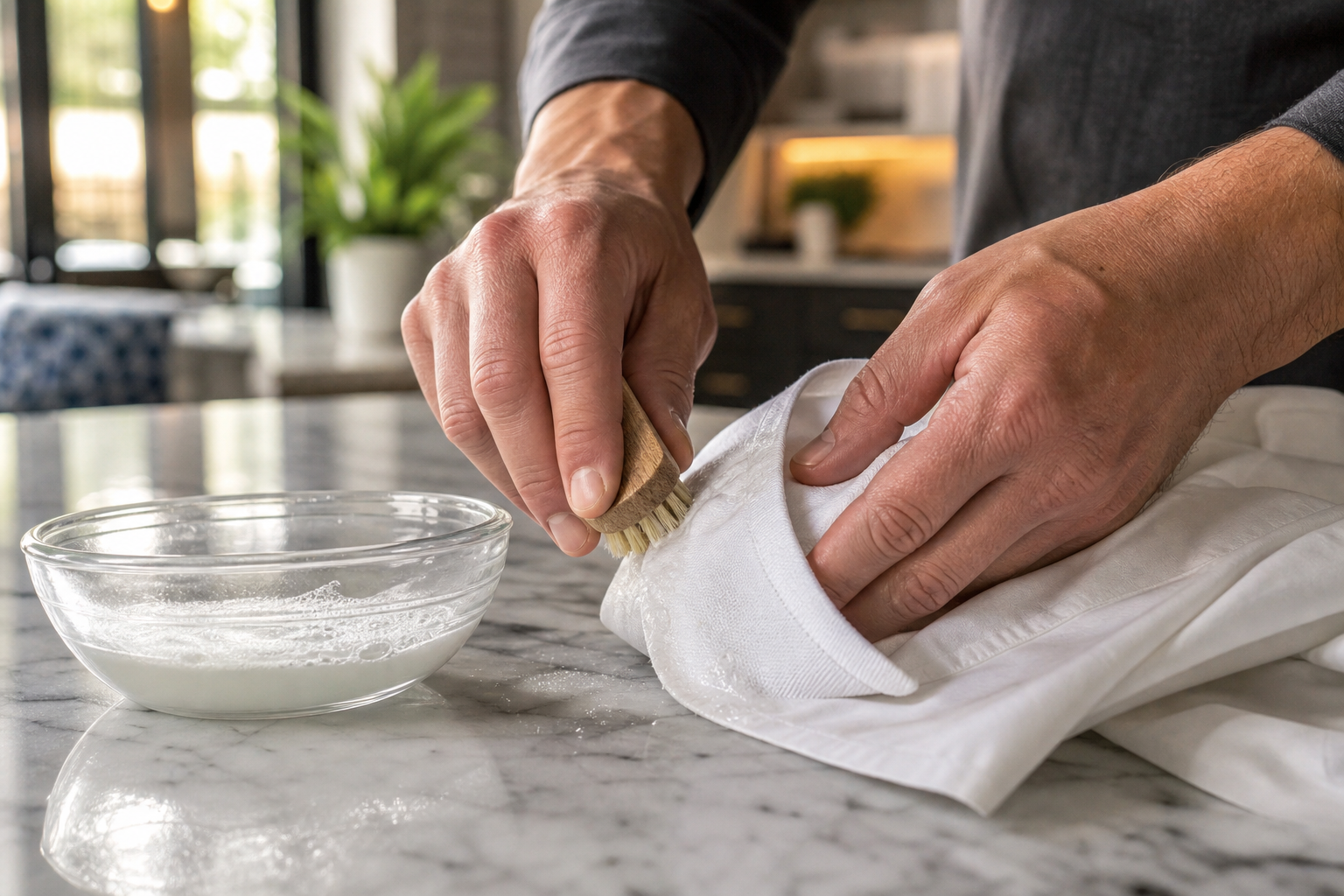
- Mix: Combine 1/2 cup of peroxide with 1/4 cup of dish soap in a small bowl or a dark spray bottle.
- Apply: Blot the excess stain first, then saturate the area with the solution.
- Agitate: Use a soft-bristled toothbrush to gently work the mixture into the fibers. Avoid aggressive scrubbing, which can fray delicate fabrics.
- Wait: Let it sit for at least 30 to 60 minutes. For older, set-in stains, you can let it sit overnight in a cool, dark place.
- Rinse: Wash the garment in the coolest water recommended on the care tag.
Dealing with Georgia Red Clay
If you've been hiking at Sweetwater Creek and your white sneakers or socks are covered in red clay, you need an extra step. Red clay is iron-oxide rich and acts like a dye. Before using the peroxide mixture, let the mud dry completely and brush off as much as possible. Then, apply the homemade stain remover for white clothes with dish soap and peroxide, adding a pinch of baking soda to create a paste for extra abrasive power.
What Does Professional Stain Removal and Laundry Cost in Atlanta?
While the DIY route is perfect for a single shirt, sometimes the volume of laundry or the value of the items requires a professional touch. In the Metro Atlanta area—from the historic homes in Inman Park to the modern high-rises in Midtown—professional cleaning services vary based on the scope of work.
If you are looking for a professional cleaning service to handle your home and laundry, you can expect the following price ranges:
- Basic Residential Cleaning (with laundry add-on): $150 – $250. This usually covers a standard turnover where 1-2 loads of whites are processed while the home is cleaned.
- Deep Cleaning & Textile Restoration: $300 – $450+. This is for larger estates or homes that require intensive treatment of linens, upholstery, and high-end white fabrics that have suffered from neglect or environmental staining.
Investing in professional pricing ensures that delicate fabrics are handled with the correct pH-balanced detergents, preventing the long-term graying that often happens with DIY methods if not executed perfectly.
Expert Cleaning Tips for Keeping Whites Bright
Living in a high-pollen environment like Atlanta means your whites are constantly under assault from microscopic particles. Here are three expert tips to keep them bright:
- Sunlight is a Natural Bleach: After using your peroxide mixture, if a faint shadow remains, hang the garment to dry in direct Georgia sunlight. The UV rays act as a natural catalyst for the peroxide residue, further whitening the fabric.
- Check Your Water: Many areas in Metro Atlanta have slightly "hard" water. Mineral buildup can make your peroxide mixture less effective. Adding a tablespoon of white vinegar to your rinse cycle can help strip away those minerals.
- Temperature Matters: Never put a stained garment in the dryer until you are 100% sure the stain is gone. The high heat of a dryer will "set" the stain permanently into the fibers.
Common Mistakes to Avoid
Even with a simple DIY recipe, things can go wrong if you aren't careful. Avoid these common pitfalls:
- Using the Wrong Peroxide: Never use hair-bleaching peroxide (which is 6% to 12%). It is too strong and will eat through cotton fibers. Stick to the 3% medicinal version.
- Using Colored Dish Soap on Whites: While blue dish soap is the gold standard, some off-brands use heavy dyes that can actually tint your white clothes if left to soak for too long. Always test a small area first.
- Storing the Mixture in Light: Hydrogen peroxide breaks down into plain water when exposed to light (that’s why it comes in a brown bottle). If you make a large batch of stain remover, store it in an opaque spray bottle in a dark cabinet under the sink.
- Forgetting the Care Label: If your garment says "Dry Clean Only," do not use this water-based DIY method. You risk shrinking the garment or ruining the structure of the fabric.
Conclusion
Maintaining a pristine wardrobe in the heart of the South doesn't have to be an expensive endeavor. By mastering the use of a homemade stain remover for white clothes with dish soap and peroxide, you can effectively tackle everything from red clay to humidity-induced yellowing. It’s a budget-friendly, effective, and relatively gentle way to ensure your whites stay as bright as the Atlanta skyline at night.
However, we know that life in the A is busy. Between commuting on the Downtown Connector and enjoying everything our vibrant neighborhoods have to offer, you might not have the time to scrub every collar and hem. When the laundry pile becomes a mountain, or you want your entire home to reflect that same level of "white-glove" cleanliness, it might be time to book a professional. We bring the same level of obsessive detail to your entire home that you bring to your favorite white linen shirt.
Frequently Asked Questions
Q.Will peroxide and dish soap ruin my delicate Atlanta-summer linens?
Generally, no. As long as you use 3% hydrogen peroxide and a clear or blue dish soap, it is safe for cotton and linen. However, for silk or wool, these alkaline and oxidative agents can be too harsh; we recommend professional dry cleaning for those specific textiles.
Q.How do I get Georgia red clay out of white baseball pants?
Red clay is a physical sediment stain. First, hose off the loose mud outdoors. Apply a 2:1 mix of peroxide and dish soap, let it sit for an hour, and then use a stiff brush to lift the iron-rich soil before washing in a heavy-duty cycle.
Q.Is this mixture safe for my HE washing machine in my Midtown condo?
Yes, but use it as a pre-treatment only. Do not pour large amounts of dish soap directly into the HE dispenser, as the excess suds can damage the machine's sensors or cause an overflow. Rinse the treated area slightly before tossing it into the wash.
Q.Why do my white shirts turn yellow even after washing them in Atlanta?
This is often 'body soil' buildup combined with local humidity and mineral deposits from the water. The oils from your skin aren't fully removed by standard detergent alone. The dish soap in our DIY recipe specifically targets these lipids to prevent that dingy yellow tint.
Q.Can I use this on white upholstery or rugs in my home?
Yes, it works wonders on white polyester or cotton-blend rugs. Apply the foam, let it sit, and blot with a clean white microfiber towel. Just be sure to extract all the soap residue with a damp cloth so it doesn't attract more dirt later.
Ready for a Cleaner Home?
Get a free quote from Fuego Fresh Cleaning Services today. Background-checked, fully insured, ridiculously detail-focused.
Comments
Loading comments…