
The Atlanta Guide: How to Clean Soap Scum Without Harsh Chemicals Using Vinegar
Discover the ultimate Atlanta-friendly method for removing stubborn bathroom buildup using simple pantry staples while protecting your family from toxic fumes and abrasive cleaners.

The Atlanta Guide: How to Clean Soap Scum Without Harsh Chemicals Using Vinegar
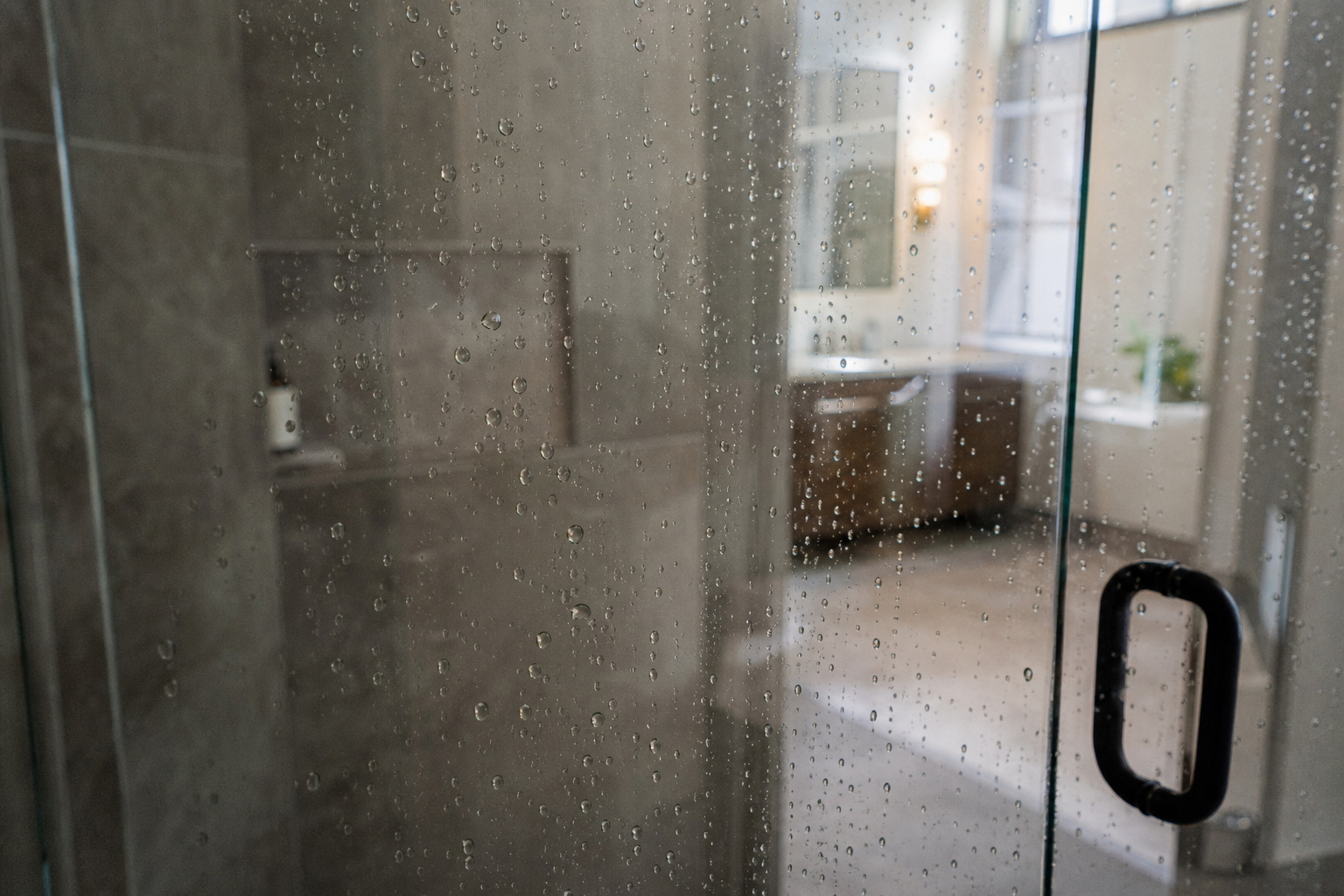
If you live in a classic Buckhead estate or a modern townhome along the Eastside Beltline, you know the struggle: that dull, chalky film coating your glass shower doors and subway tiles. Soap scum isn't just unsightly; it’s a stubborn cocktail of paraffin wax from bar soaps, body oils, and the mineral-heavy water we often deal with here in Georgia. Many homeowners reach for bleach or caustic sprays, but there is a safer, more sustainable way. Learning how to clean soap scum without harsh chemicals using vinegar is the secret to a sparkling bathroom that doesn't smell like a laboratory.
In this guide, we will break down the chemistry of why vinegar works, the step-by-step application process, and specific tips for maintaining different stone and tile types found in Metro Atlanta homes. You’ll learn how to save money on expensive cleaners while achieving professional-grade results.
Why Soap Scum is So Stubborn in Atlanta Homes
Atlanta’s water quality varies, but many neighborhoods—from Virginia-Highland to Sandy Springs—experience mineral buildup that binds with soap fatty acids. This creates a literal glue that sticks to porcelain, fiberglass, and glass.
The Science of Vinegar vs. Minerals
Distilled white vinegar is an acetic acid. When it comes into contact with the calcium and magnesium in soap scum, it creates a chemical reaction that breaks the bond between the grime and your shower surface. Unlike “miracle” sprays sold at big-box stores in Midtown, vinegar is non-toxic and biodegradable, making it safe for households with pets or children.
Why Skip the Harsh Chemicals?
Bleach and ammonia-based cleaners emit Volatile Organic Compounds (VOCs). In the humid Atlanta summer, when the AC is recycling indoor air, these fumes can linger and irritate the respiratory system. Using vinegar allows you to deep clean without compromising your indoor air quality.
The Ultimate DIY Vinegar Solution for Soap Scum
To master how to clean soap scum without harsh chemicals using vinegar, you don't need a complex chemistry set. You just need the right ratio and temperature.
The "Fuego Fresh" DIY Recipe
- Distilled White Vinegar: 1 cup (heated until warm, not boiling).
- Blue Dawn Dish Soap: 1 cup (the degreaser helps lift body oils).
- Essential Oils: 5-10 drops of lemon or eucalyptus (to mask the salad-dressing smell).
Why Heat Matters
Heating the vinegar increases the molecular kinetic energy, allowing it to penetrate the waxy layers of scum much faster than cold vinegar. This is particularly helpful for those deep garden tubs common in Alpharetta master suites that haven't been scrubbed in months.
Step-by-Step: How to Clean Soap Scum Without Harsh Chemicals Using Vinegar
Follow this process to ensure you aren't just moving the dirt around, but actually removing it.
Step 1: Prep the Surface
Before applying your solution, run a hot shower for five minutes. The steam helps soften the outer layer of the scum. If you’re in a drafty older home in Inman Park, make sure the bathroom door is closed to trap that moisture.
Step 2: Apply and Dwell
Spray your warm vinegar-and-soap mixture generously over the affected areas. Do not scrub yet. The most important part of natural cleaning is "dwell time." Let the solution sit for at least 15 to 30 minutes. This gives the acetic acid time to dissolve the calcium bonds.
Step 3: Agitation (The Gentle Way)
Use a non-abrasive scrub sponge or a soft-bristled brush. You’ll notice the scum sliding off in sheets. For tight corners or around the drain, an old toothbrush works wonders. Avoid steel wool or stiff wire brushes, which can permanently scratch the finish on your fixtures.
Step 4: The Final Rinse
Rinse with warm water. For glass doors, use a squeegee immediately after rinsing to prevent new water spots from forming. This is a crucial habit for maintaining that premium service look.
Tailoring the Method for Different Surfaces
Not every bathroom in Atlanta is built the same. A mid-century ranch in Decatur might have vintage ceramic tile, while a new build in West Midtown might feature delicate natural stone.
Glass and Ceramic
Vinegar is perfectly safe for glass shower doors and standard glazed ceramic tiles. It will leave them streak-free and shiny.
Warning: Natural Stone (Marble, Granite, Travertine)
Stop! If your bathroom features marble or natural stone, do not use vinegar. The acid will "etch" or eat away at the stone, leaving permanent dull spots. For these surfaces, stick to a pH-neutral cleaner or a dedicated stone soap. If you aren't sure what material you have, it's often safer to consult a professional or check our pricing guide for a one-time deep clean assessment.
Expert Cleaning Tips for Atlanta Homeowners
- The Squeegee Habit: Atlanta’s humidity means surfaces stay wet longer, encouraging mold and scum growth. Spend 30 seconds after every shower squeegeeing the glass. It reduces your deep-cleaning workload by 80%.
- Switch to Liquid Soap: Bar soap contains tallow (animal fat) and paraffin, which are the primary ingredients of soap scum. Switching to a high-quality liquid body wash can almost eliminate scum buildup entirely.
- Address the Hard Water: If you notice white crusty buildup on your faucets, consider a whole-home water softener. It’s a common upgrade for residents in areas like Cumming or Roswell where mineral content can be higher.
Common Mistakes to Avoid
- Mixing Vinegar and Bleach: Never do this. It creates toxic chlorine gas. If you previously used a bleach-based cleaner, rinse the area thoroughly before switching to vinegar.
- Using Abrasive Pads on Fiberglass: Many modern tubs are fiberglass or acrylic. Using a green scouring pad can create micro-scratches that actually trap more soap scum in the future.
- Forgetting the Tracks: Shower door tracks are notorious for collecting grime. Use a vinegar-soaked paper towel and let it sit in the track for 20 minutes to dissolve the gunk.
When to Call in the Professionals
Sometimes, the buildup has progressed beyond the point of a DIY fix. If you’ve spent your Saturday morning scrubbing and the glass still looks cloudy, or if you’re moving into a new home in the Old Fourth Ward that wasn't well-maintained, it might be time for a professional intervention.
In the Metro Atlanta area, a professional deep cleaning for a bathroom can range anywhere from $150 to $450 depending on the size, the severity of the mineral buildup, and whether you are booking a standalone service or a full-house deep clean. A pro team has the industrial-grade (yet safe) vapor steamers and specialized tools to restore surfaces to their original glory without the elbow grease.
Maintaining a healthy, toxin-free home is a journey. By using vinegar, you’re taking a big step toward a cleaner environment and a more beautiful Atlanta home. If you're ready to start fresh, you can book a professional cleaning and let us handle the heavy lifting while you enjoy your weekend at Piedmont Park.
Frequently Asked Questions
Q.Will the vinegar smell stay in my bathroom forever?
Not at all. The pungent vinegar scent usually dissipates within 30 to 60 minutes as the surface dries. You can speed up the process by turning on the exhaust fan or opening a window to let in some fresh Atlanta air.
Q.Can I use apple cider vinegar instead of white vinegar?
While apple cider vinegar is acidic, its amber color can sometimes stain light-colored grout or porous surfaces. Distilled white vinegar is the gold standard for cleaning because it is clear, highly acidic, and leaves no residue behind.
Q.How often should I use this vinegar method to prevent buildup?
For a busy Atlanta household, a quick spray and wipe once a week will prevent soap scum from ever hardening. If you have a large family using the same shower, you might want to increase this to twice a week.
Q.Is vinegar safe for the metal fixtures like my shower head?
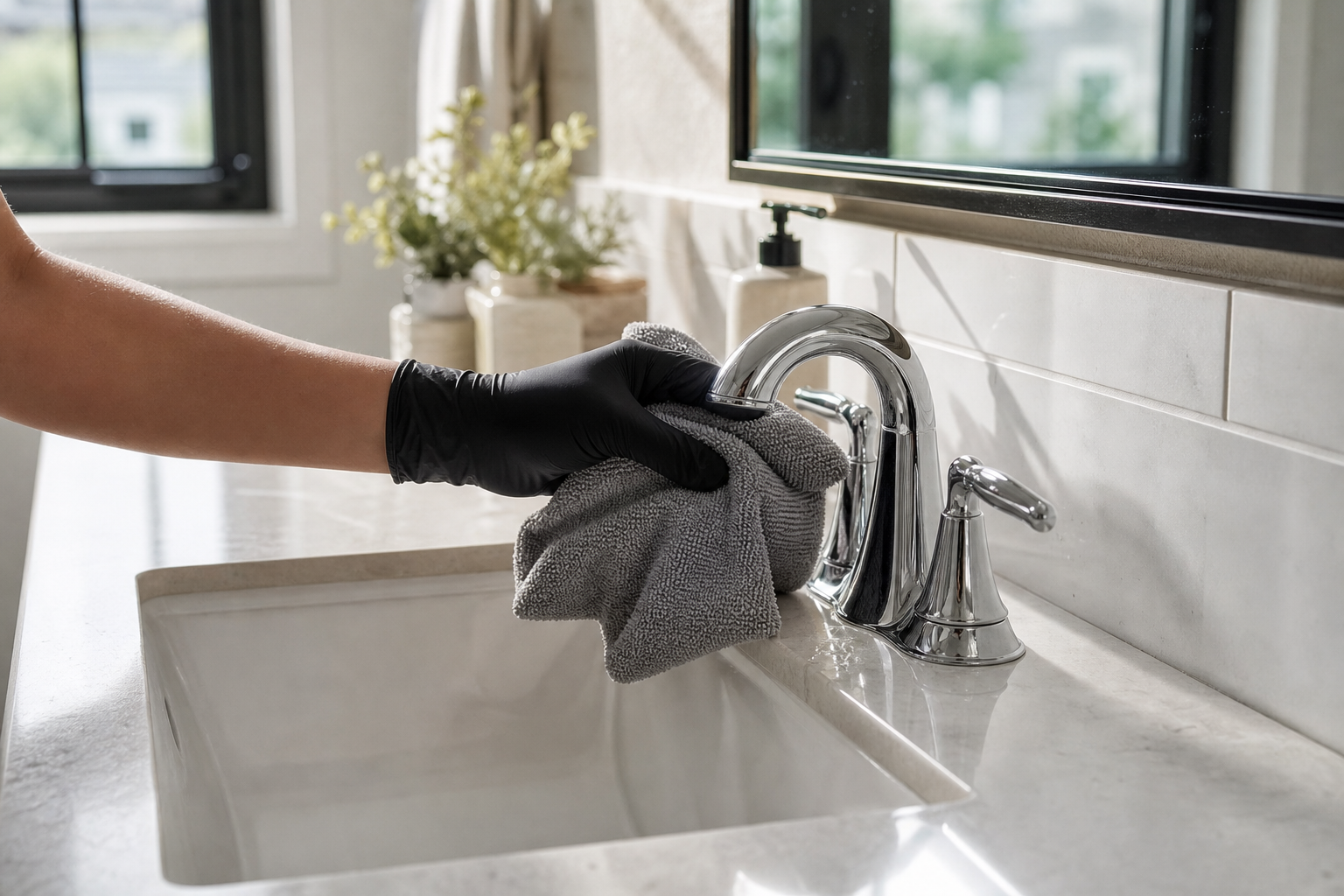
Yes, vinegar is excellent for removing limescale from chrome or stainless steel. However, be cautious with oil-rubbed bronze or matte black finishes, as prolonged exposure to acid can sometimes damage the delicate coating on these trendy Atlanta fixtures.
Q.Why is my soap scum not coming off even with vinegar?
If the buildup is extremely old, it may have calcified into a rock-hard layer. In these cases, you may need a professional-grade steamer or a repeated application of the heated vinegar-soap mixture to penetrate through the years of accumulation.
Ready for a Cleaner Home?
Get a free quote from Fuego Fresh Cleaning Services today. Background-checked, fully insured, ridiculously detail-focused.
Comments
Loading comments…