
How Often Should You Wash Bed Sheets for Optimal Freshness in Atlanta?
Discover the essential guide to keeping your Atlanta home’s bedding crisp and allergen-free, from managing Georgia's humidity to the specific timing for fresh sheets.

How Often Should You Wash Bed Sheets for Optimal Freshness?
There is nothing quite like the feeling of sliding into crisp, cool linens after a long day of navigating I-285 or walking the Beltline. However, if you are wondering how often should you wash bed sheets for optimal freshness, you aren't just being fastidious—you are protecting your health. In a city like Atlanta, where the humidity can hover around 70% and the “pollen-pocalypse” coats every surface in yellow dust every spring, your bedding acts as a magnet for environmental debris.
While the general rule of thumb is once a week, the reality for Metro Atlanta residents is often more frequent. Between the sweat of a Georgia summer and the dander from our beloved pets in Virginia-Highland, your sheets become a microscopic ecosystem faster than you might think. This guide explores the science of sheet hygiene and how to maintain that five-star hotel feel in your own master suite.
The Short Answer: The Weekly Standard
For most people, washing your sheets once every seven days is the sweet spot for hygiene. During this week, your body sheds roughly 1.5 grams of dead skin cells—enough to feed a million dust mites. When you add in perspiration and body oils, a week is the maximum duration for truly “fresh” fabric.
When to Bump It Up to Twice a Week
If you suffer from seasonal allergies (a common struggle from Buckhead to Decatur), washing every 3 to 4 days is recommended during peak pollen season. Similarly, if you share your bed with a furry friend or tend to be a “hot sleeper,” the accumulation of moisture and dander necessitates a more frequent rotation to prevent odors and breakouts.
The Impact of Atlanta’s Humidity
Our local climate plays a massive role in bedding health. High humidity prevents sweat from evaporating quickly, meaning it lingers in the fibers of your cotton or linen sheets. This dampness is a breeding ground for bacteria and mildew. If you live in a loft in Old Fourth Ward with high ceilings and variable climate control, you might notice your sheets feeling “heavy” or damp sooner than expected.
Why Sheet Hygiene Matters More Than You Think
It isn’t just about the smell. Poor bedding hygiene can lead to significant dermatological and respiratory issues. Your pillowcases, in particular, are hotbeds for residual hair products, makeup, and facial oils that can cause “acne mechanica.”
Managing Dust Mites and Allergens
Dust mites are microscopic creatures that thrive in warm, humid environments—basically, an Atlanta bedroom in July. They feed on skin cells and their waste is a leading trigger for asthma and indoor allergies. Washing in hot water (at least 130°F) is the only way to effectively neutralize these microscopic tenants.
Sweat and Skin Health
Humans produce up to 26 gallons of sweat in bed every year. When this moisture stays trapped in your linens, it can irritate the skin and exacerbate conditions like eczema. If you've been spending your weekends hiking at Kennesaw Mountain, your sheets are absorbing significantly more salts and minerals than usual, requiring a deep clean to restore the fabric's breathability.
A Step-by-Step Guide to the Perfect Wash
Achieving “optimal freshness” involves more than just throwing everything in the machine on a random cycle. You need a strategy that preserves the integrity of the fibers while ensuring total disinfection.
- Strip and Separate: Never wash your sheets with towels. The rough fibers of a bath towel can cause pilling on high-thread-count cotton sheets.
- Pre-treat Stains: Use an enzyme-based cleaner for any yellowing caused by body oils.
- Choose the Right Temperature: Use the hottest setting recommended on the care label. For white cottons, hot water is best; for delicate linens, warm water suffices if you use a high-quality detergent.
- The Extra Rinse: Ensure all detergent is removed. Residual soap can actually attract more dirt once the sheets are back on the bed.
Drying for Freshness
If you have the space in a suburban backyard in Milton or Alpharetta, line-drying in the sun provides natural UV disinfection. However, for most of us, a dryer on a medium-heat setting is the most efficient way to kill remaining bacteria. Just be sure they are 100% dry before folding; even a hint of moisture will lead to a musty smell within hours.
The Cost of Professional Bedding Care
Maintaining a pristine home in Atlanta involves more than just the laundry. Many homeowners realize that by the time they've stripped three bedrooms, washed, dried, and perfectly remade the beds (with those dreaded hospital corners), half their Saturday is gone.
Professional cleaning services in the Metro area typically range from $150 to $450 per visit, depending on the square footage and specific needs of the home. While many services focus on floors and surfaces, a premium service like Fuego Fresh understands that a truly clean home includes the sanctuary of the bedroom. You can check our services to see how we integrate total home wellness into our visits. Investing in a pro means your home doesn't just look clean—it feels biologically fresh.
Expert Cleaning Tips for Atlanta Homeowners
- The Rotation Rule: Always have three sets of sheets per bed. One on the bed, one in the linen closet, and one in the wash. This prevents excessive wear and tear on any single set.
- Shower Before Bed: This simple habit can extend the “fresh feeling” of your sheets by two to three days, as you aren't transferring the day's grime and Atlanta humidity into the fibers.
- Vacuum the Mattress: Every time you change your sheets, run a vacuum with a HEPA filter over the mattress surface to remove the dust that sifted through the protector.
- Mind the Pillowcases: Change these every two days if you have oily skin or use heavy night creams. It’s the fastest way to improve your complexion.
Common Mistakes to Avoid
1. Overloading the Washer When you cram two sets of King-sized sheets into one load, they can’t move freely. This results in “roping,” where the sheets tangle into a tight ball, leaving the middle sections dirty and damp.
2. Using Too Much Fabric Softener It sounds counterintuitive, but fabric softener leaves a waxy coating on fibers. This reduces the absorbency of your sheets and traps odors inside the thread rather than washing them away. Use white vinegar in the rinse cycle instead for natural softening.
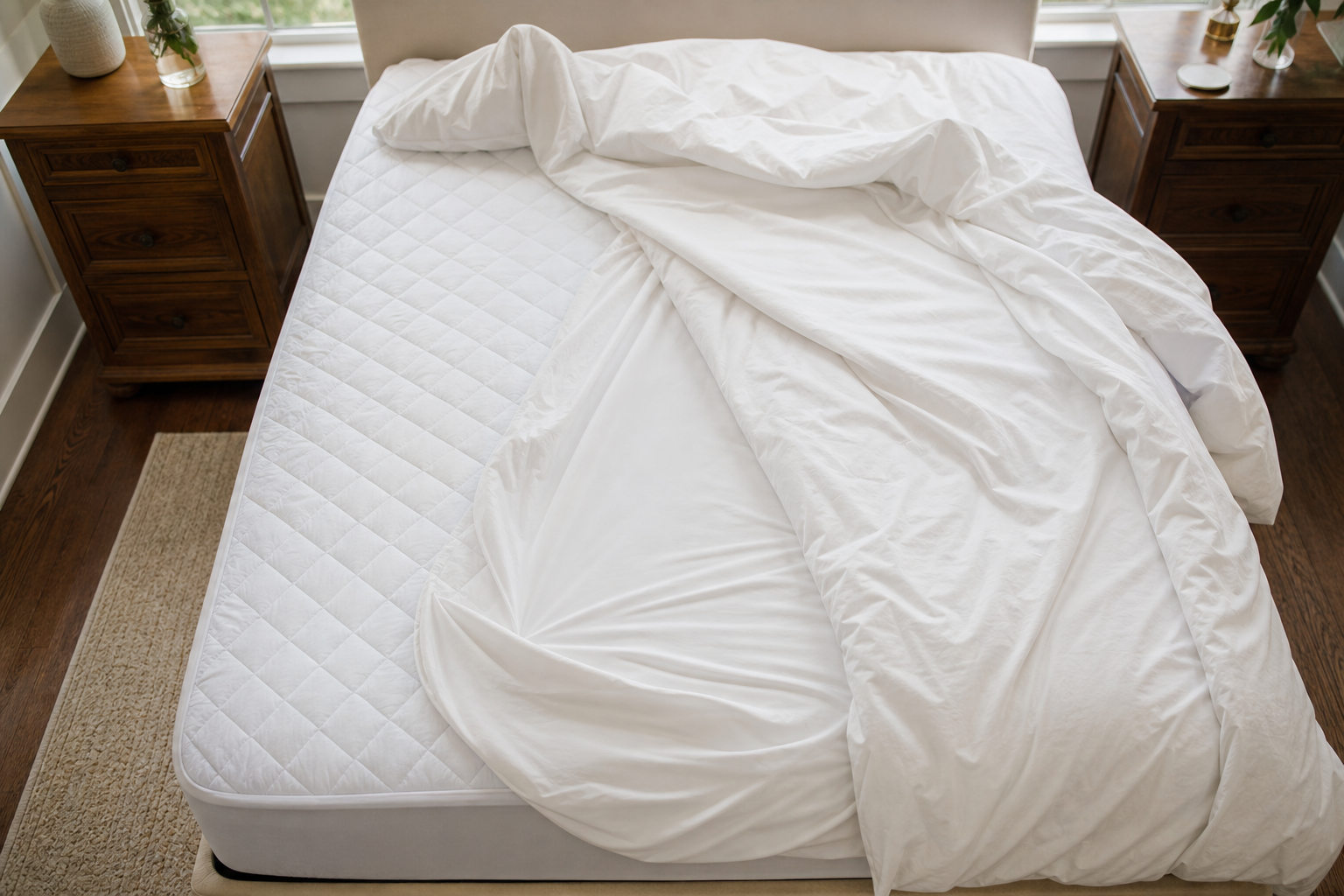
3. Ignoring the Mattress Protector If you aren't using a breathable, waterproof protector, your mattress is acting like a giant sponge. No matter how often you wash your sheets, a dirty mattress will migrate odors back upward.
4. Waiting for Visible Dirt If your sheets look dirty, they were biologically “soiled” days ago. Stick to a schedule rather than a visual inspection.
Conclusion
So, how often should you wash bed sheets for optimal freshness? In the unique climate of Atlanta, the answer is a firm once-a-week minimum, with adjustments for allergy seasons and lifestyle. Your bedroom should be a crisp, clean retreat from the hustle of the city. While managing the laundry cycle is one thing, achieving a deep, professional level of clean across your entire home is another. If you're ready to reclaim your weekends and experience a higher standard of living, explore our pricing and let the experts handle the heavy lifting. You deserve to wake up in a home that feels as fresh as a spring morning in Piedmont Park—without the pollen.
Frequently Asked Questions
Q.Does Atlanta's pollen season really affect my indoor bedding?
Yes, absolutely. Even with windows closed, fine yellow pine pollen hitchhikes on your clothes and hair, eventually settling into your bedding. During peak season (March-May), we recommend washing sheets twice a week and showering immediately after being outdoors to keep your sleep environment allergen-free.
Q.Can I wash my heavy comforter in a standard home machine?
Most residential washers in Atlanta homes struggle with the weight of a King-sized comforter when wet, which can damage the machine's agitator or drum. For optimal freshness and to protect your appliance, it is best to use a large-capacity commercial machine or a professional cleaning service for bulky bedding.
Q.What temperature is best for killing dust mites in my linens?
To effectively eliminate dust mites and bacteria, you should wash your bedding at a minimum of 130°F (60°C). If your water heater is set lower for safety, using a 'Sanitize' cycle on modern washers or a high-quality laundry additive can help achieve the same level of hygiene.
Q.How often should I replace my sheets entirely?
Even with regular washing, cotton fibers break down over time and lose their ability to wick moisture. For optimal freshness, most experts recommend replacing your bed sheets every 2 to 3 years, or sooner if you notice pilling, thinning, or stubborn yellowing that won't wash out.
Q.Is it worth hiring a cleaning service for just the bedrooms?
While you can book specific areas, most Atlanta homeowners find the best value in a comprehensive cleaning. A professional service like Fuego Fresh ensures that dust is removed from under the bed, baseboards are wiped, and the air quality of the entire room is improved, which complements your fresh laundry efforts.
Ready for a Cleaner Home?
Get a free quote from Fuego Fresh Cleaning Services today. Background-checked, fully insured, ridiculously detail-focused.
Comments
Loading comments…