
How to Clean a Microwave with Vinegar: The Ultimate Guide for Atlanta Homeowners
Discover the most effective way to steam-clean your microwave using simple household vinegar, tailored for the unique humidity and high-traffic kitchens of Metro Atlanta homes.
How to Clean a Microwave with Vinegar: The Atlanta Homeowner's Guide
We have all been there. You are rushing to get the kids to soccer practice at Piedmont Park, or you're trying to prep a quick meal before heading down to a Braves game, and you heat up a bowl of leftover chili or pasta. Suddenly, you hear that dreaded pop. You open the door to find a Jackson Pollock painting of tomato sauce and grease splattered across every interior surface. In the humid Georgia heat, those splatters don't just sit there; they bake on, creating a stubborn, crusty mess that seems impossible to scrub away.
Learning how to clean a microwave with vinegar is the single best DIY hack for any Atlanta kitchen. It’s natural, it’s incredibly effective, and it saves you from using harsh chemicals in the space where you prepare your food. In this guide, we will walk you through the professional-grade steam method that we use at Fuego Fresh to get your appliances looking brand new without the elbow grease.
The Science Behind the Steam: Why Vinegar Works
Vinegar is essentially diluted acetic acid. When you heat it up, it creates an acidic steam that penetrates the molecular bonds of dried-on proteins and fats. In a city like Atlanta, where high humidity can make kitchen grime feel extra "tacky," this steam method is a lifesaver. It softens the crust so that it wipes away like butter.
Choosing Your Vinegar
While apple cider vinegar works in a pinch, we always recommend plain white distilled vinegar. It has the right acidity level and won't leave behind any fruity residue or discoloration on your microwave’s interior lighting or turntable.
The Role of Water Ratios
Don't just put straight vinegar in the microwave. The water is actually the vehicle for the steam. We recommend a 1:1 ratio. This ensures there is enough moisture to create a high-pressure steam environment inside the cavity without the vinegar scent becoming overwhelmingly pungent in your home.
Step-by-Step: How to Clean a Microwave with Vinegar Properly
If you want to do this like a pro, follow these steps exactly. This isn't just about splashing some liquid; it's about creating a miniature sauna for your appliance.
1. Prep Your Solution
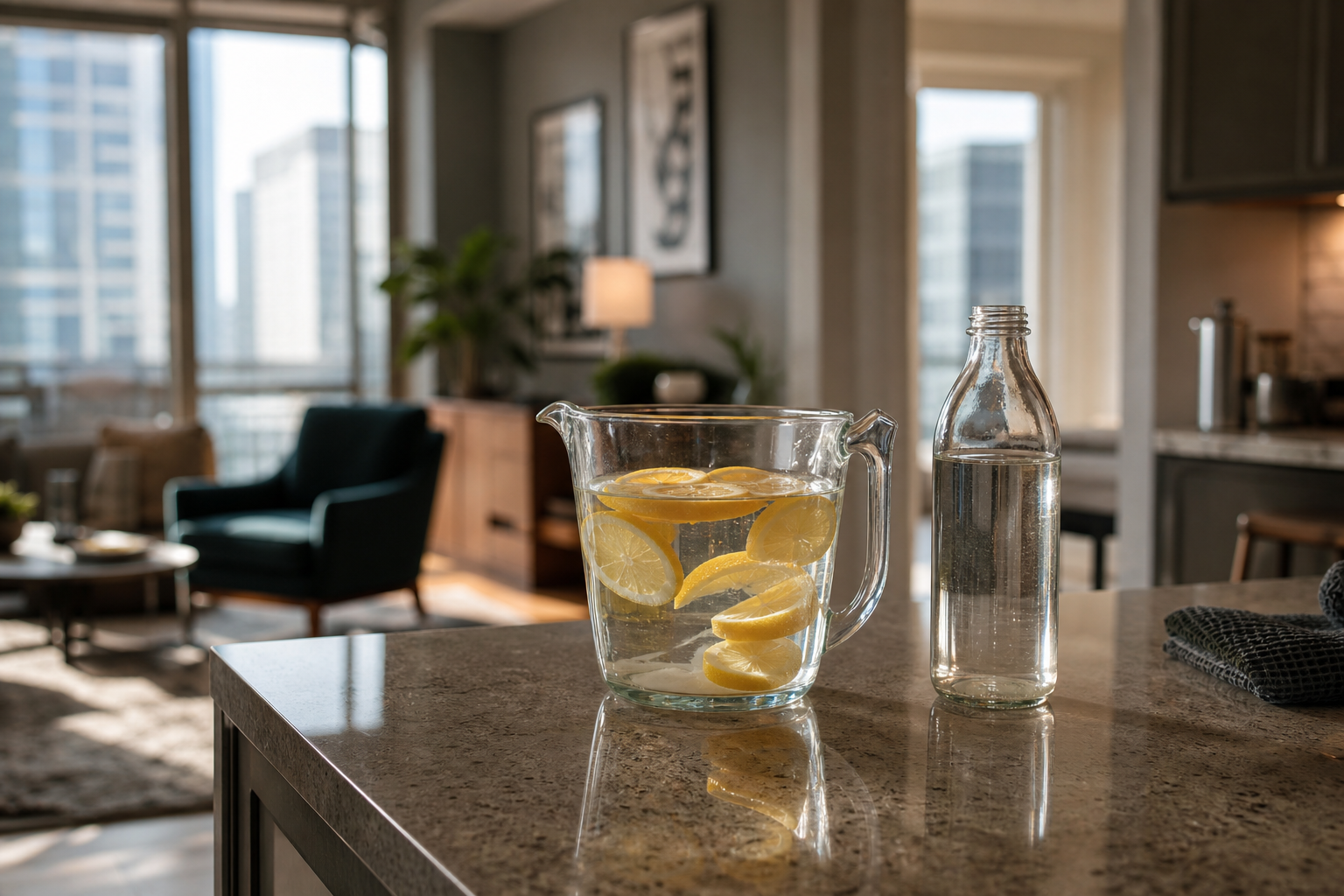
Find a microwave-safe glass bowl or measuring cup. Mix one cup of water with one cup of white vinegar. If your microwave is particularly offensive—perhaps something died in there after a long weekend at Lake Lanier—you can add a tablespoon of lemon juice or a few drops of citrus essential oil to brighten the scent.
2. The Power of the Toothpick
Here is a pro tip: place a wooden toothpick or a wooden spoon in the bowl. This provides a "nucleation site" for bubbles to form, preventing the liquid from superheating and potentially exploding when you move the bowl. Safety first, even in DIY cleaning.
3. The Five-Minute Blast
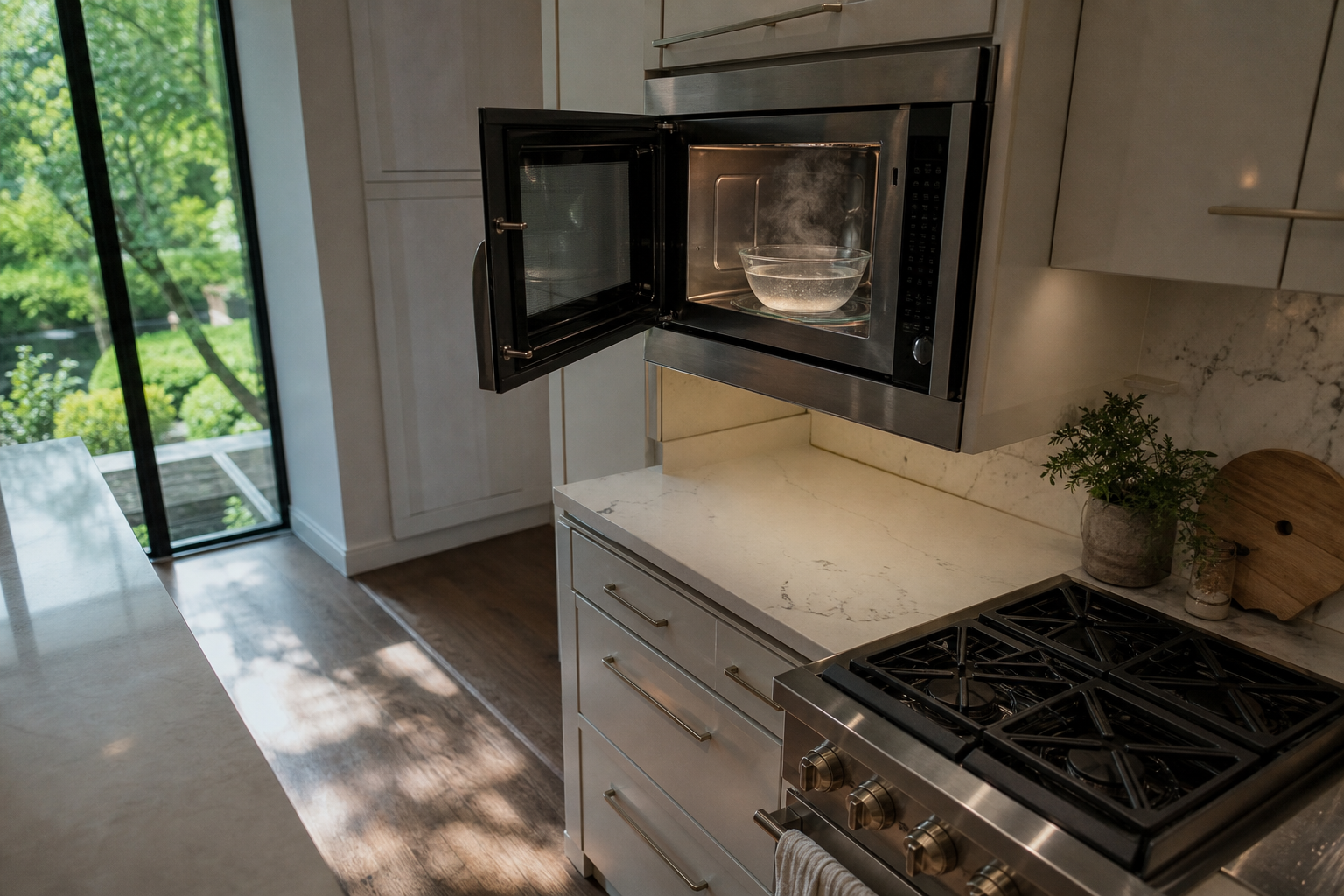
Place the bowl inside and set the timer for five to seven minutes on high power. You want the window to get completely foggy. If you see the steam clouding up the glass, you know it’s working. Once the timer beeps, do not open the door.
4. The "Sit and Soak" Phase
This is where most people fail. You must let the microwave sit closed for at least five minutes after the cycle ends. This allows the steam to continue working its magic on those stubborn corners. Think of it as a deep-conditioning treatment for your appliance.
Deep Cleaning the Details: Turntables and Vents
Once the five minutes are up, carefully remove the bowl using oven mitts. The liquid will be scalding hot.
Cleaning the Glass Plate
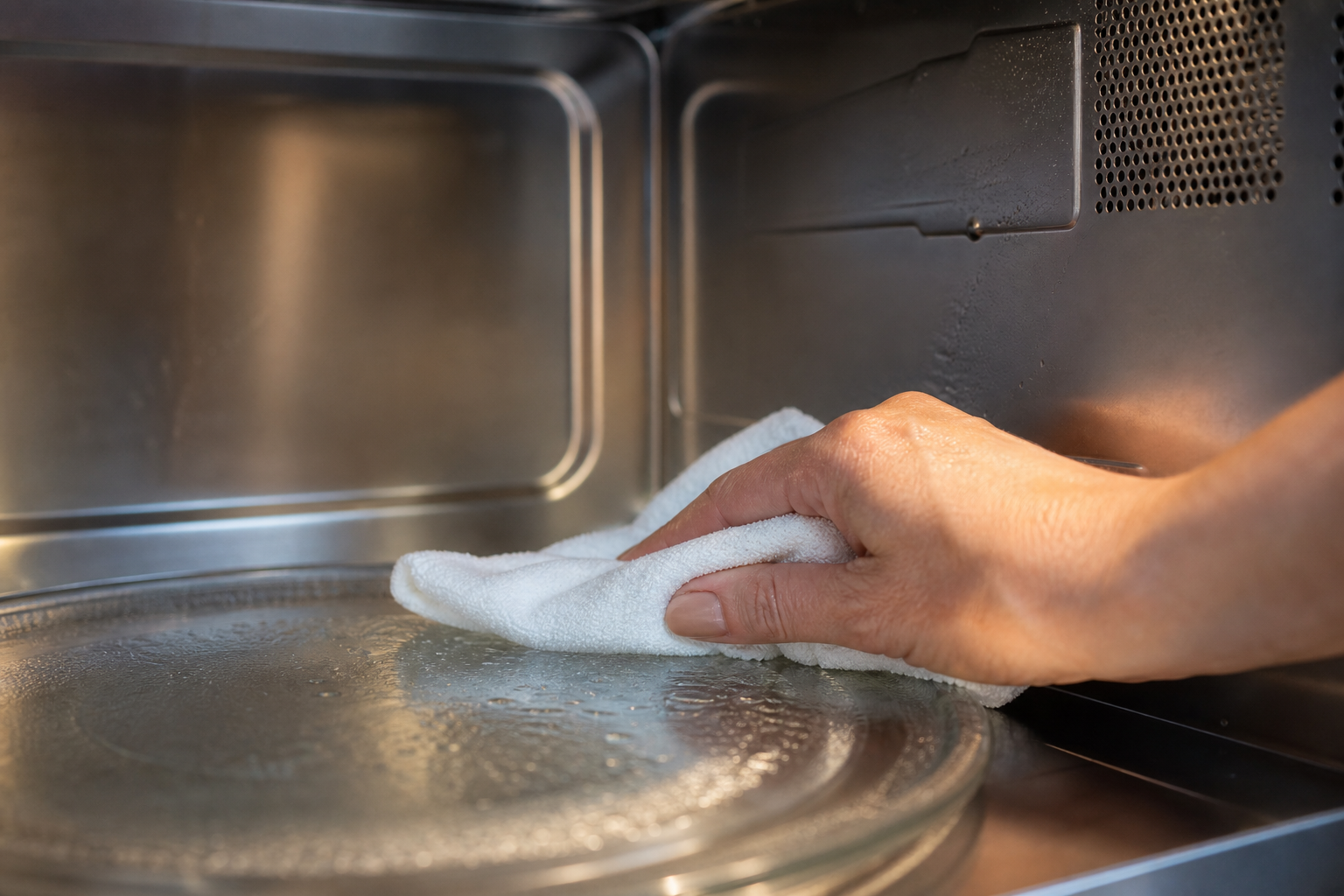
Take out the glass turntable. In many Buckhead and Midtown luxury kitchens, these plates take a beating. Most are dishwasher safe, but if you're cleaning by hand, the vinegar steam will have loosened everything. A quick wipe with a microfiber cloth should suffice. If there is stubborn grease, check out our pricing for deep kitchen detailing that includes specialized degreasing.
The Ceiling and Walls
Start from the top and work your way down. The ceiling of the microwave is often the most ignored part and the source of that "old food" smell. Use a clean microfiber cloth dipped in the warm vinegar water (once it has cooled slightly) to wipe away the softened debris.
Expert Cleaning Tips for Atlanta Kitchens
- Handle the Humidity: During the summer months in Georgia, grease can turn rancid faster. If you cook a lot of bacon or oily foods, perform this vinegar steam once a week to prevent permanent staining.
- The Door Seal: Don't forget the rubber gasket around the door. If crumbs get stuck there, the seal won't be airtight, which can lead to uneven cooking. A soft toothbrush dipped in your vinegar solution works wonders here.
- Stainless Steel Exterior: If you have a high-end stainless steel microwave, never wipe against the grain. Use a dedicated stainless steel cleaner or a tiny drop of olive oil on a cloth to buff out fingerprints after you've finished the interior.
Common Mistakes to Avoid
- Using Abrasive Scrubbers: Never use steel wool or the green side of a heavy-duty sponge. Modern microwave interiors have a coating that reflects microwaves; scratching this can lead to arcing (sparks) and fire hazards.
- Forgetting the Vent: If your microwave is over the stove, the underside filters are likely clogged with grease from your stovetop. Vinegar steam won't reach these. You'll need a heavy-duty degreaser for those metal mesh filters.
- Opening the Door Too Soon: If you open the door the second the timer hits zero, the steam escapes, and the food residue instantly begins to harden again. Patience is the key to an easy clean.
When to Call in the Professionals
Sometimes, a bowl of vinegar isn't enough. If you’ve just moved into a new home in Old Fourth Ward or Cabbagetown and the previous tenants left behind years of neglect, or if you are preparing for a big event and simply don't have the time to scrub every inch of your kitchen, it might be time to look at professional services.
In the Metro Atlanta area, a professional deep clean for a kitchen (including appliances) typically ranges from $150 to $450 depending on the size of the home and the level of buildup. While DIY hacks are great for maintenance, a professional team like Fuego Fresh has the industrial-grade tools and refined techniques to sanitize your entire kitchen, ensuring that your food prep areas are not just visibly clean, but truly hygienic.
The Fuego Fresh Difference
We don't just wipe surfaces; we restore them. Our team understands the specific challenges of Atlanta homes—from the fine yellow pine pollen that finds its way into every crevice in the spring to the heavy dust that accumulates in historic bungalow renovations. When you book with us, you aren't just getting a cleaner; you're getting a premium maintenance partner for your home.
Frequently Asked Questions
Q.How often should I clean my microwave with vinegar in Atlanta?
Given the high humidity in Atlanta, we recommend a vinegar steam clean once every two weeks for active kitchens. This prevents food particles from molding or becoming permanently baked onto the interior surfaces, which happens faster in damp environments.
Q.Will the vinegar smell stay in my kitchen?
The pungent vinegar scent usually dissipates within 15 to 30 minutes, especially if you crack a window or run your kitchen vent. For a more pleasant experience, add a few slices of fresh Georgia lemons or a sprig of rosemary to the water before heating.
Q.Is it safe to clean a stainless steel microwave with vinegar?
Yes, white vinegar is safe for the interior of all modern microwaves. For the exterior stainless steel, use a very diluted solution and always wipe in the direction of the metal's grain to avoid streaks or micro-scratches that can dull the finish over time.
Q.What if the vinegar steam doesn't remove all the stains?
For extremely stubborn, carbonized stains, you can create a paste using baking soda and a small amount of water. Apply the paste to the spot, let it sit for 15 minutes, and then wipe it away. If it still won't budge, the surface may be permanently etched.
Q.Can I use apple cider vinegar instead of white vinegar?
You can, but white distilled vinegar is preferred because it is colorless and has a slightly higher acidity. Apple cider vinegar contains natural sugars and sediments that could leave a sticky residue if not rinsed thoroughly after the steaming process.
Ready for a Cleaner Home?
Get a free quote from Fuego Fresh Cleaning Services today. Background-checked, fully insured, ridiculously detail-focused.
Comments
Loading comments…