
Mastering the Scrub: How to Clean Tile Floors and Grout Like an Atlanta Pro
Tired of dingy grout lines in your Buckhead kitchen or Virginia Highland bath? Discover the definitive guide to restoring your tile floors to their original showroom shine.

Mastering the Scrub: How to Clean Tile Floors and Grout in the Heart of Atlanta
If you live in a charming bungalow in Virginia Highland or a modern high-rise in Midtown, you know that tile is the backbone of a beautiful Atlanta home. It handles the humidity of our Georgia summers and the red clay tracked in from the Beltline. However, over time, that pristine porcelain or classic ceramic starts to lose its luster. The biggest culprit isn't the tile itself—it’s the grout. Knowing how to clean tile floors and grout effectively is the difference between a home that feels "okay" and one that feels truly premium.
In this guide, we aren’t just giving you generic advice. We’re looking at the specific challenges of maintaining floors in the Metro area—from the pollen layers of spring to the high-traffic demands of a busy Sandy Springs household. By the end of this article, you will have a clear, step-by-step roadmap to restoring your floors, an understanding of the costs involved, and the wisdom to know when to put down the brush and call in the experts.
The Anatomy of Dirty Grout: Why Atlanta Homes Struggle
To understand how to clean tile floors and grout, you first have to understand what grout actually is. Grout is a porous mixture of water, cement, and sand. Think of it like a hard sponge. Because it is lower than the surface of the tile, it acts as a natural gutter for mop water, dirt, and spills.
The Red Clay Factor
In North Georgia, our soil is rich in iron oxide—the infamous Georgia Red Clay. When this fine dust enters your home via shoes or pets, it settles into the pores of your grout. If you mop with a dirty string mop, you are essentially painting your grout lines with liquid clay.
The Humidity and Mildew Connection
Atlanta’s 80% humidity days aren't just uncomfortable for us; they are a breeding ground for mildew in bathrooms and laundry rooms. If your grout looks black or spotted, you likely aren't dealing with just dirt—you're dealing with organic growth that requires a specific pH-balanced approach to neutralize without damaging your stone.
Step-by-Step Guide: How to Clean Tile Floors and Grout DIY
Before you reach for the heavy chemicals, start with the gentlest method possible. This protects the integrity of your sealant and the environment of your home.
1. Preparation and Dry Soil Removal
Never start a wet clean on a dusty floor. In an Atlanta home, especially during pollen season, you need to vacuum or sweep thoroughly. Use a vacuum with a soft brush attachment to pull grit out of the grout lines. If you skip this, your cleaning solution will just turn the dust into mud.
2. The Vinegar and Baking Soda Myth
You’ve likely seen the "volcano" method online (vinegar plus baking soda). While it looks cool, they actually neutralize each other, leaving you with salty water. Instead, use a dedicated alkaline cleaner for grease (kitchens) or a mild acidic cleaner for mineral deposits (bathrooms). For a safe home-brew, a mix of warm water and a few drops of pH-neutral dish soap is the best starting point for regular maintenance services.
3. Agitation: The Secret Ingredient
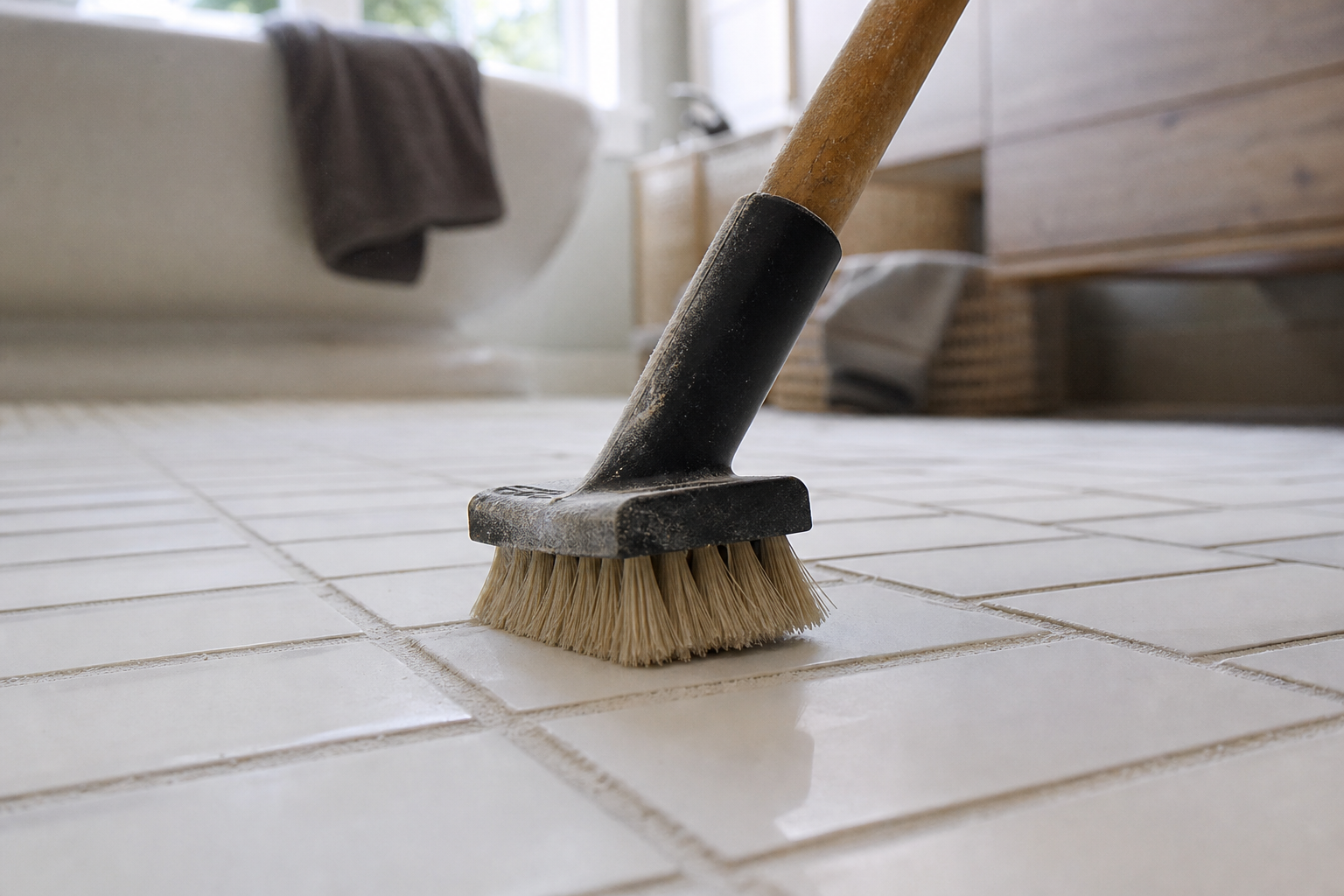
You cannot clean grout with a mop alone. You need a stiff-bristled grout brush. Apply your cleaner, let it dwell for 10 minutes (do not let it dry!), and then scrub the lines. Focus on high-traffic areas like the path from your garage to the kitchen.
4. Rinse and Extract
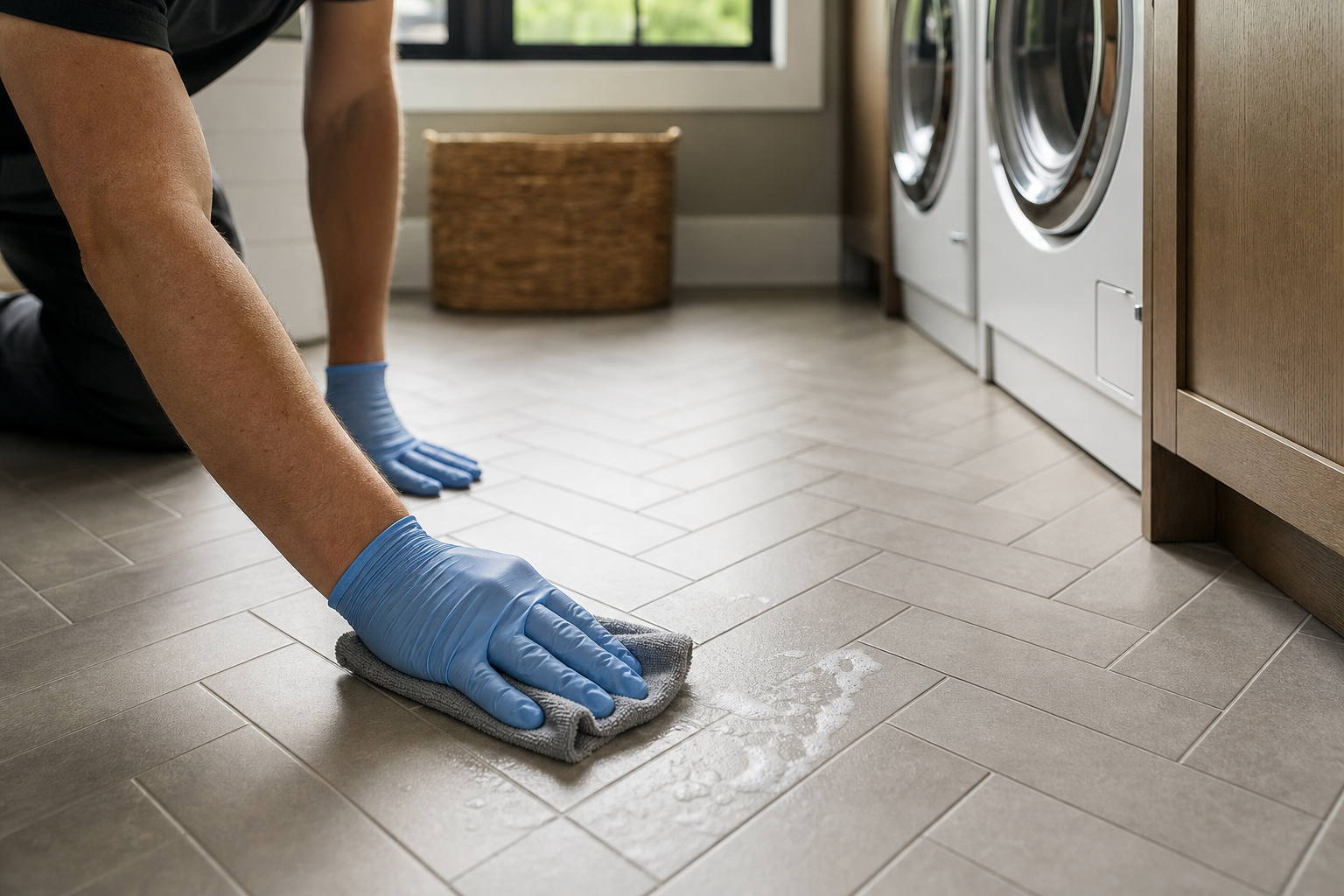
This is where most homeowners fail. After scrubbing, you must remove the dirty water. Use a microfiber cloth to soak up the slurry. If you leave it to air dry, the dirt simply settles back into the grout pores.
Advanced Techniques for Stubborn Stains
Sometimes, the "gentle" way doesn't cut it, especially in older homes in areas like Decatur or Inman Park where decades of grime have accumulated.
Oxygen Bleach vs. Chlorine Bleach
Avoid liquid chlorine bleach; it can weaken grout and fade its color over time. Instead, use powdered oxygen bleach (like OxiClean). Mix it into a paste, apply it to the grout lines, and let it sit for 30 minutes. It breaks apart organic stains and brightens the grout without the harsh fumes.
Steam Cleaning
If you want to avoid chemicals altogether, a high-pressure steamer is a fantastic tool. The heat opens the pores of the grout and blasts the dirt out. It’s particularly effective for sanitizing bathroom floors where bacteria might be lingering in the humid Atlanta air.
The Cost of Professional Tile Cleaning in Atlanta
Sometimes the DIY approach isn't enough, or your time is simply too valuable to spend four hours on your hands and knees. If you are looking at hiring a local expert, it’s important to know what to expect in terms of pricing.
In the Metro Atlanta area, professional tile and grout cleaning is typically priced by the square foot or by the room. For a standard 200-square-foot kitchen, you can expect to pay between $150 and $450. Factors that influence this price include:
- Type of Tile: Natural stone (marble, travertine) requires specialized, more expensive sealers than ceramic.
- Condition: Heavily soiled grout requiring multiple passes will increase the labor cost.
- Sealant: A high-quality penetrating sealer is usually an additional cost but is essential for protecting your investment.
Expert Cleaning Tips for Long-Lasting Results
- Seal Your Grout: Once your grout is clean and dry, apply a high-quality sealer. This fills the pores so spills stay on the surface. In Atlanta’s damp climate, we recommend resealing every 12-18 months.
- Use Microfiber Mops: Traditional string mops are "dirt movers." Microfiber pads actually lift and hold the dirt.
- Work in Sections: Don't spray the whole floor at once. Work in 4x4 foot squares to ensure the cleaning solution doesn't dry before you can scrub and wipe it up.
- Neutralize After Cleaning: If you use a heavy-duty cleaner, always follow up with a plain water rinse to remove any chemical residue that might attract new dirt.
Common Mistakes to Avoid
- Using Wire Brushes: Never use a steel wire brush on grout. It will erode the grout and can scratch the glaze on your tiles.
- Acidic Cleaners on Natural Stone: If you have marble or limestone (common in luxury Buckhead renovations), avoid vinegar or lemon juice. The acid will "etch" the stone, leaving permanent dull spots.
- Excessive Water: Don't flood your floors. If water gets under the tiles through cracks in the grout, it can cause the subfloor to swell or lead to mold growth behind the baseboards.
- Skipping the Sealant: Cleaning grout without sealing it is like washing your car and skipping the wax. It will get dirty again twice as fast.
When to Call the Professionals
If you’ve tried scrubbing and the grout still looks mottled or gray, the stain may be permanent, or the sealant may have failed. At this point, you aren't just cleaning; you're restoring. Professionals use truck-mounted hot water extraction systems that reach temperatures and pressures a homeowner simply can't replicate.
For residents from Alpharetta to Old Fourth Ward who want that "new home" feeling without the weekend of labor, a professional deep clean is the most efficient path. If you are ready to see your floors transformed, you can easily book your service online and let the experts handle the heavy lifting. Your tile represents a significant investment in your home’s value; treat it with the care it deserves.

Frequently Asked Questions
Q.How often should I professionally clean my tile and grout in Atlanta?
Due to the high humidity and high pollen counts in Atlanta, we recommend a professional deep clean every 12 to 18 months. This prevents permanent staining from red clay and organic growth like mildew, which thrives in our climate.
Q.Is it safe to use vinegar on my tile floors?
Vinegar is safe for ceramic and porcelain, but it should never be used on natural stone like marble, travertine, or slate. The acid in vinegar will etch the stone, causing permanent dullness and damage to the finish.
Q.Why does my grout look dark even after I mop it?
Mops often push dirty water into the porous grout lines rather than lifting it out. Once the water evaporates, the dirt stays trapped in the grout. A professional extraction or a dedicated grout brush with a shop-vac is needed to truly remove the soil.
Q.How long does it take for tile floors to dry after a deep clean?
In a typical Atlanta home, tile floors will be dry to the touch in about 30 to 60 minutes. However, if a sealant was applied, you should wait at least 4 hours before heavy foot traffic and 24 hours before any liquid spills touch the surface.
Q.Can you change the color of my grout if it's permanently stained?
Yes, if cleaning doesn't restore the color, we can apply a grout colorant/sealer. This process, often called 'color sealing,' covers permanent stains and provides a uniform look while also protecting the grout from future spills.
Ready for a Cleaner Home?
Get a free quote from Fuego Fresh Cleaning Services today. Background-checked, fully insured, ridiculously detail-focused.
Comments
Loading comments…