
Fresh Laundry Secrets: How to Clean a Washing Machine Top Loader Like an Atlanta Pro
Discover the ultimate guide to deep cleaning your top-loading washing machine, featuring local Atlanta tips for dealing with hard water and southern humidity buildup.
Fresh Laundry Secrets: How to Clean a Washing Machine Top Loader Like an Atlanta Pro
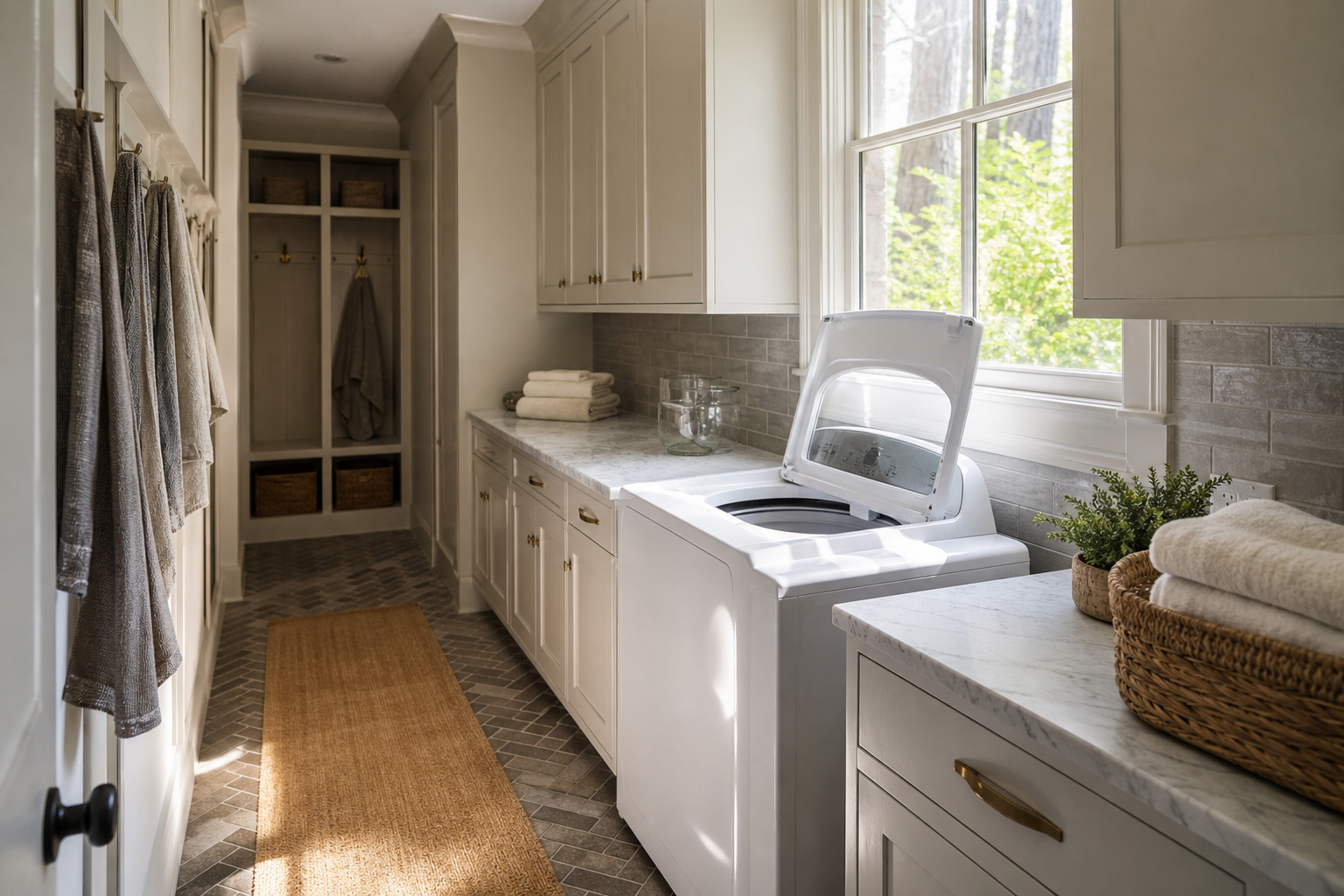
If you have noticed a funky, damp smell lingering in your laundry room—even after your clothes come out of the dryer—you aren't alone. In the heart of Atlanta, from the historic bungalows of Inman Park to the modern estates in Buckhead, homeowners often struggle with a hidden culprit: a dirty appliance. Knowing how to clean a washing machine top loader is the difference between truly sanitized linens and clothes that just smell like perfume-covered mildew.
In this guide, we will break down the exact steps to restore your machine’s efficiency, combat the specific challenges of Atlanta’s high humidity, and ensure your home stays as fresh as a walk down the Beltline in spring. Let’s dive into why your machine gets gross and how to fix it once and for all.
The Georgia Humidity Factor: Why Your Machine Smells
The Science of Biofilm and Soap Scum
We often assume that because a washing machine uses soap, it is inherently clean. Unfortunately, the opposite is true. Over time, undissolved detergent, fabric softeners, and body oils combine with the minerals in our local water to create "scrud"—a waxy, grey sludge. In the humid Georgia climate, this sludge becomes a breeding ground for mold and bacteria.
Hard Water and Atlanta Pipes
Depending on where you live in the Metro area, you may experience varying levels of water hardness. Residents in Marietta or Alpharetta often find that mineral deposits build up faster in the hidden crevices of their top loaders. These scales trap grime, making it harder for the machine to rinse properly, eventually leading to that dreaded "wet dog" smell.
Step-by-Step: How to Clean a Washing Machine Top Loader
Step 1: The Vinegar Deep Soak
Start by setting your machine to the hottest water setting and the longest cycle available. If you have a "tub clean" cycle, use it. As the tub fills, add four cups of plain white distilled vinegar. Vinegar is an acetic acid that cuts through the alkaline soap scum and dissolves mineral deposits.
Let the machine agitate for a minute or two, then pause the cycle. Open the lid and let the vinegar water sit for at least one hour. This soak time is crucial for loosening the buildup hidden behind the drum walls that you cannot see.
Step 2: Detailing the Nooks and Crannies
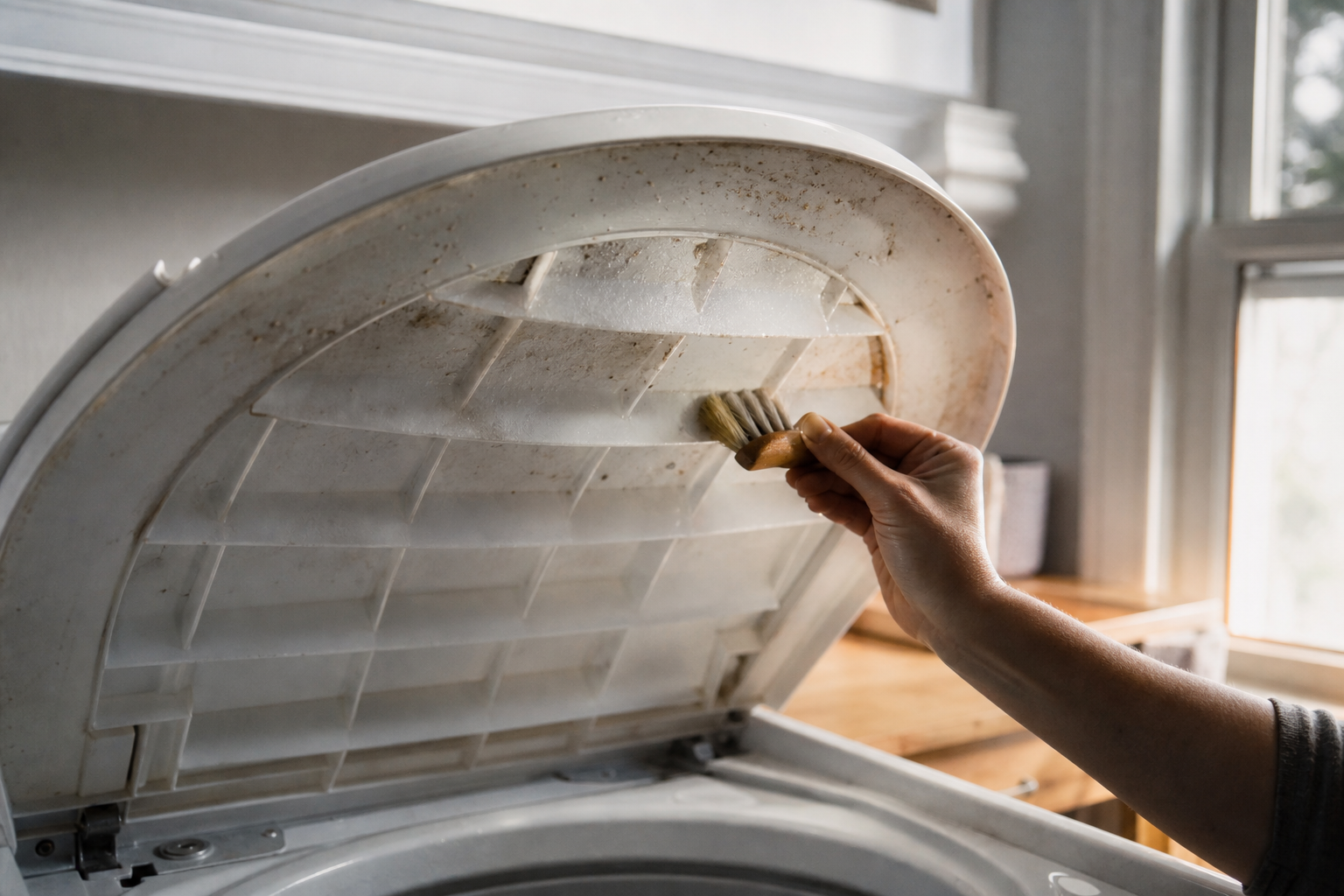
While the tub is soaking, dip a microfiber cloth or an old toothbrush into the vinegar water. Scrub the underside of the lid, the rim of the tub, and the agitator top. For those living in newer Mid-town condos with high-efficiency (HE) top loaders, pay special attention to the detergent drawer. Pull it out completely—you will likely find a layer of black mold hiding underneath it.
Step 3: The Bleach Sanitization
After the vinegar cycle finishes and drains, it is time to sanitize. Never mix vinegar and bleach. Run a second hot cycle, this time adding one cup of chlorine bleach. This kills any remaining bacteria or mold spores that survived the vinegar soak. This two-punch combo is the gold standard for professional house cleaning services across North Georgia.
Cleaning the Often-Forgotten Components
The Agitator and Filter
Many top loaders have a removable agitator cap where fabric softener is poured. If you haven't cleaned this in a year, prepare yourself—it is usually filled with a thick, blue slime. Take it to your utility sink, scrub it with dish soap, and rinse thoroughly. If your model has a lint filter (common in older machines), remove the debris now.
Exterior and Control Panels
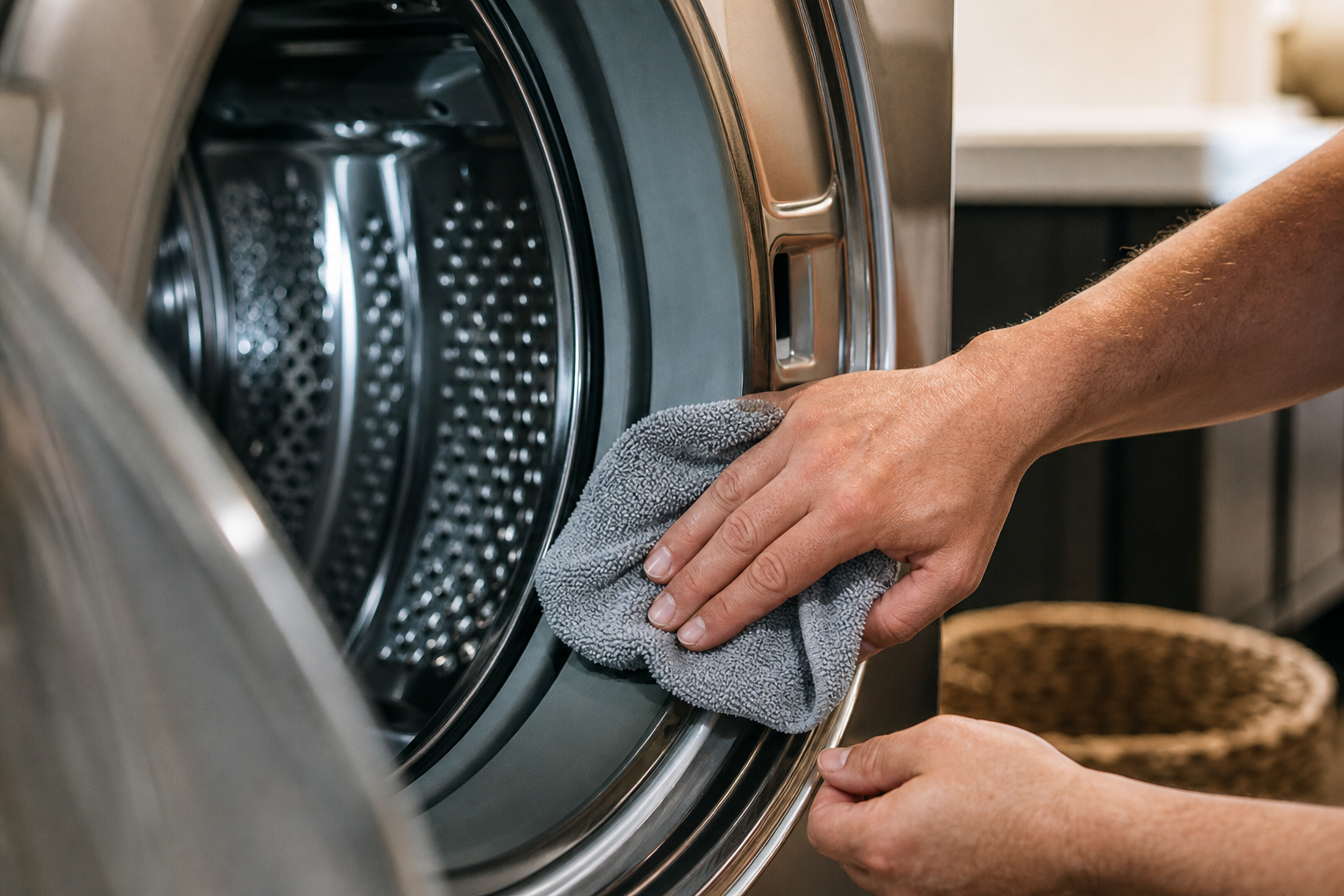
In Atlanta’s pollen season, yellow dust finds its way into every corner of the home, including the laundry room. Wipe down the exterior of your machine with a damp cloth and a mild cleaner. Avoid spraying liquids directly onto the electronic control panels; instead, spray the cloth first to prevent moisture from seeping into the circuitry.
Expert Cleaning Tips for Longevity
- Leave the Lid Open: This is the #1 rule for Atlantans. Our humidity is too high to keep the lid closed. Leaving it open between loads allows the drum to dry out, preventing mold growth.
- Less is More: Most people use too much detergent. In a high-efficiency top loader, you only need about two tablespoons. Excess soap is the primary cause of buildup.
- Switch to Powder occasionally: If you primarily use liquid detergent, running a load with powder every so often can help provide a mild abrasive action that keeps the drum cleaner.
Common Mistakes to Avoid
- Overloading the Drum: Cramming too many towels into the machine prevents water from circulating, meaning the grime just gets redistributed instead of washed away.
- Using Fabric Softener Excessively: Fabric softener is essentially oil and wax. It coats the outer tub of your machine, creating a sticky surface for mold to cling to. Consider using wool dryer balls instead.
- Ignoring the Hoses: Check the hoses at the back of your machine for cracks or bulges once a year. A burst hose in a second-story laundry room in a Vinings townhome can cause thousands in water damage.
When to Hire a Professional Service
Sometimes, a DIY soak isn't enough to tackle years of neglected buildup or the deep-seated grime that comes from a busy household with pets and kids. Professional cleaning ensures every surface—not just the ones you see—is sanitized. In the Metro Atlanta area, professional deep cleaning services typically range from $150 to $450 depending on the scope of work and the size of the home.
If you find yourself spending your entire weekend trying to scrub away the humidity-induced grime of the South, it might be time to look at professional pricing options to reclaim your time. A pro can get your laundry room and the rest of your home back to a baseline of luxury and freshness.
Conclusion
Maintaining a clean washing machine is essential for the health of your clothes and your family. By following these steps and understanding how our local environment affects your appliances, you can extend the life of your machine and ensure your laundry always smells like a fresh Georgia breeze. While a DIY deep clean is a great start, a regular maintenance schedule is the best way to keep the funk away for good.
Frequently Asked Questions
Q.How often should I clean my top loader in Atlanta?
Due to the high humidity in the Metro Atlanta area, we recommend a deep clean once a month. If you live in a high-pollen area or have a large family, doing a quick vinegar rinse every two weeks can help prevent mold buildup before it starts.
Q.Can I use baking soda and vinegar together?
While popular, mixing them creates a chemical reaction that essentially results in salty water, neutralizing the cleaning power of both. It is more effective to use vinegar in one hot cycle to dissolve minerals and baking soda in a separate cycle to scrub and deodorize the drum.
Q.Why does my top loader still smell after cleaning it?
The odor is likely trapped in the 'splash zone'—the area between the inner and outer tub that you can't see. If a standard vinegar soak doesn't work, you may need a heavy-duty enzymatic cleaner or a professional deep clean to reach the hidden bio-film.
Q.Is it safe to use bleach in my HE top loading machine?
Yes, most HE machines have a designated bleach dispenser. Using bleach is one of the most effective ways to kill Southern mildew; just ensure you run an extra rinse cycle afterward to protect your next load of dark clothes.
Q.Does Atlanta's water affect how much detergent I should use?
Atlanta generally has soft to moderately hard water. Using too much detergent in soft water causes excessive sudsing, which doesn't rinse away and leaves a sticky residue inside your machine. Stick to one or two tablespoons of high-quality HE detergent.
Ready for a Cleaner Home?
Get a free quote from Fuego Fresh Cleaning Services today. Background-checked, fully insured, ridiculously detail-focused.
Comments
Loading comments…