
The Ultimate Guide: How to Clean Windows with Coffee Filters and Vinegar
Discover why Atlanta homeowners are ditching paper towels for coffee filters and vinegar to combat Georgia humidity and yellow pine pollen on their glass surfaces.

The Ultimate Guide: How to Clean Windows with Coffee Filters and Vinegar
If you live anywhere from the historic bungalows of Inman Park to the modern high-rises in Midtown, you know the unique struggle of keeping glass clean in Georgia. Between the legendary "Pollen-pocalypse" that turns the city yellow every spring and the thick humidity that makes standard cleaners smear, finding a reliable method is essential. If you are wondering how to clean windows with coffee filters and vinegar, you are about to discover the holy grail of DIY home maintenance. This method is not just a "hack"; it is a scientifically sound way to achieve a streak-free finish without spending a fortune on specialty chemicals.
Why Vinegar and Coffee Filters are the Perfect Pair
The Science of Acetic Acid
White distilled vinegar is a powerhouse because of its acetic acid content. In a city like Atlanta, our rain can often leave behind mineral deposits, especially if you have older plumbing in a Virginia-Highland home. The acid in vinegar breaks down the calcium, lime, and dust that stick to your windows, lifting them away without the need for harsh solvents.
The Coffee Filter Advantage
Many homeowners reach for paper towels or old rags, but these are often the culprits behind those annoying streaks. Paper towels are prone to linting, leaving behind tiny white fibers that catch the sunlight. Rags often harbor residual fabric softener, which creates a greasy haze. Coffee filters, however, are made from lint-free, high-density paper designed to allow liquid through while keeping fine particles trapped. They are surprisingly durable when wet and provide just enough texture to scrub away stubborn grime.
Step-by-Step: How to Clean Windows with Coffee Filters and Vinegar
1. Gather Your Supplies
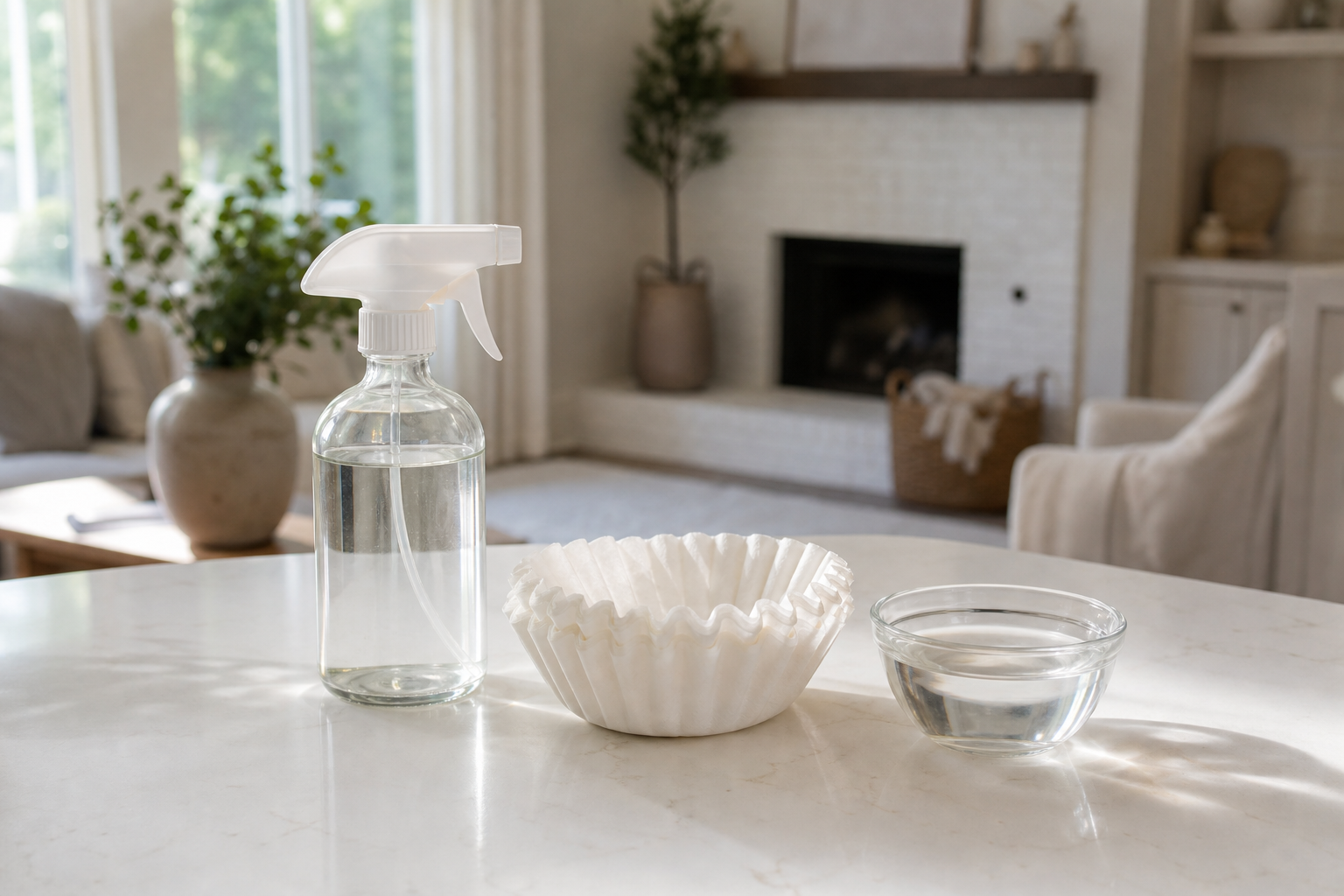
You likely already have everything you need in your pantry. To get started, you will need:
- Distilled white vinegar
- Distilled water (highly recommended to avoid Georgia’s local mineral buildup)
- A clean spray bottle
- A pack of cone or basket-style coffee filters
- A soft-bristled brush (for sweeping away spider webs and loose pollen first)
2. Mix Your Cleaning Solution
Do not use straight vinegar, as it can be too acidic for some window seals or frames if not diluted. The magic ratio is 50/50. Mix one part white vinegar with one part distilled water. If your windows are particularly greasy—perhaps you live near a busy street like Peachtree or North Avenue where exhaust film accumulates—you can add two drops of clear dish soap to the mix.
3. Prep the Surface
Before you spray, you must remove the loose debris. Use a dry cloth or brush to sweep the window frame and the glass. In Atlanta, this step is crucial during the spring when pine pollen sits in the corners of the sills. If you spray liquid directly onto heavy dust, you’ll just be creating "window mud."
4. The Buffing Technique
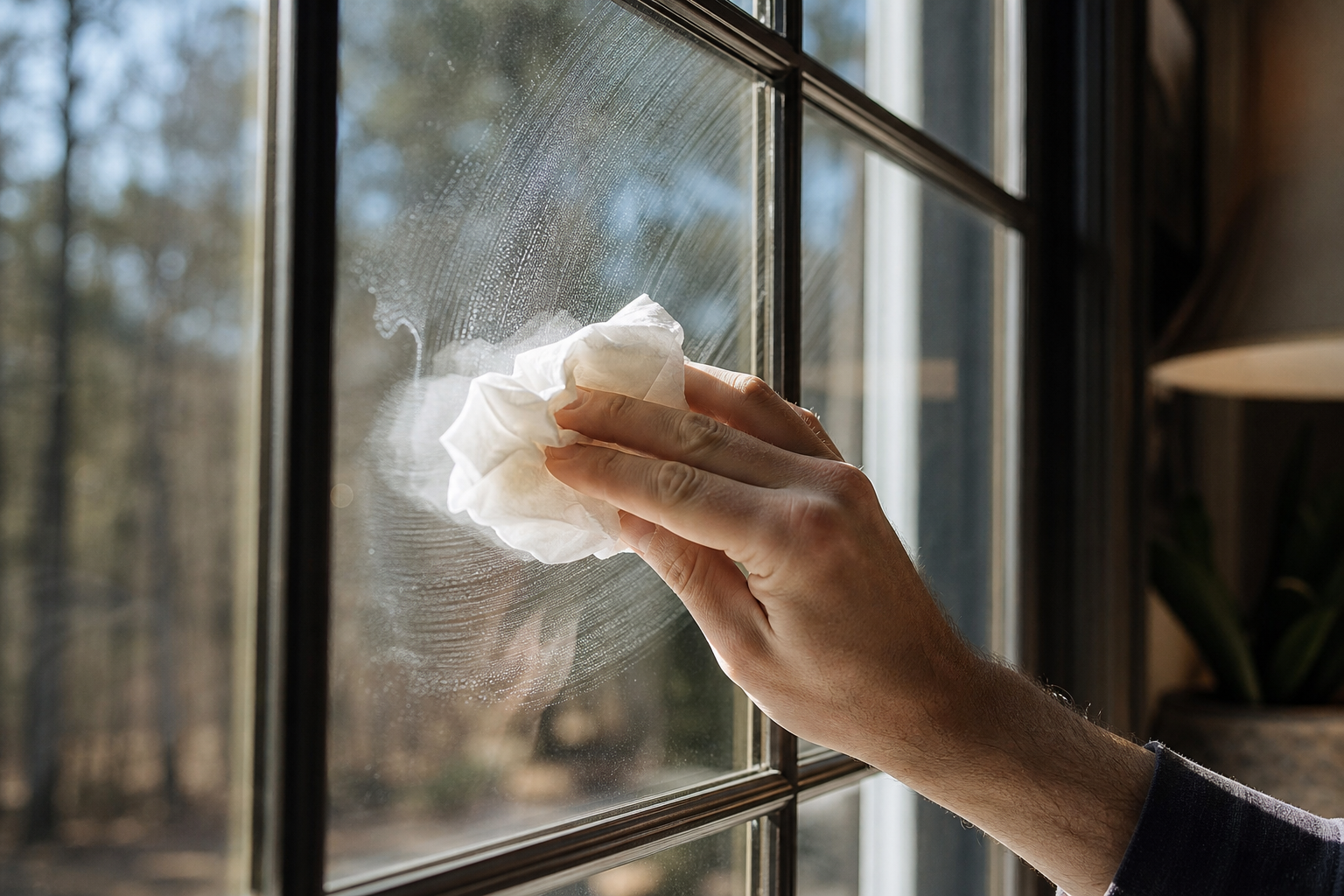
Spray your solution lightly onto the glass—less is more. Take a single coffee filter, crumple it slightly to create some grip, and wipe the window in a circular motion to spread the liquid. Once the dirt is lifted, switch to a fresh, dry coffee filter and wipe in a vertical motion, then a horizontal motion. This "cross-hatch" technique ensures you don't miss a single spot.
Dealing with Atlanta-Specific Window Challenges
The Humidity Factor
Cleaning windows when it’s 95 degrees with 90% humidity in Buckhead is a recipe for disaster. The heat causes the vinegar solution to evaporate too quickly, leaving behind streaks before you can buff them out. Always try to clean your windows on a cloudy day or when the glass is in the shade. If you must clean in the sun, work in very small sections.
Conquering the Pollen Film
During March and April, Atlanta windows take a beating. The fine yellow dust gets into every microscopic pore of the glass. Using the vinegar method helps neutralize the sticky resins in the pollen, making it much easier to wipe away than using a standard blue-tinted window spray.
Expert Cleaning Tips for a Professional Finish
- Change Filters Often: Coffee filters are cheap. Don't try to clean an entire living room with just two filters. As soon as one feels damp or looks grey, toss it and grab a new one. Using a dirty filter will just move the grime around.
- Use Distilled Water: If you find you still have streaks, your tap water might be the problem. Atlanta’s water is generally good, but mineral content varies by neighborhood. Distilled water ensures a perfectly clear finish.
- Detail the Edges: Use a dry coffee filter wrapped around your finger to get into the very corners of the window pane where the glass meets the frame. This is where most DIY jobs look "DIY."
Common Mistakes to Avoid
- Using Newspaper: You might have heard that newspaper works like coffee filters. While this was true 30 years ago, modern newspaper ink is often soy-based and can leave black streaks on your white trim and hands.
- Over-spraying: Drenching the window doesn't make it cleaner. It just leads to drips that can damage wooden sills or seep into the window glazing. A light mist is all you need.
- Ignoring the Frames: Clean the tracks and frames first. If you clean the glass and then wipe the dirty frames, you will likely splash dirty water back onto your pristine glass.
When to Call the Professionals
While the coffee filter and vinegar method is incredible for interior glass and reachable exterior windows, it has its limits. If you live in a three-story home in Druid Hills or a large estate in Alpharetta, safety becomes a major concern. Navigating tall ladders while carrying spray bottles is a risk best left to experts.
Furthermore, if your windows have "hard water staining"—cloudy spots that won't come off with vinegar—they may require professional-grade acidic cleaners or mechanical buffing. Professional services in the Metro Atlanta area typically range from $150 to $450 depending on the number of panes, the height of the home, and the level of detailing required. For those who want their entire home to match the shine of their windows, checking our services can help you decide if a full professional cleaning is right for you. You can also view our pricing to get a better idea of how a professional deep clean fits into your budget.
Achieving that crystal-clear view of the Atlanta skyline or your backyard forest is deeply satisfying. Whether you choose to DIY with the coffee filter method or decide to book a pro, your home will feel brighter and more refreshed once the light can finally get in.

Frequently Asked Questions
Q.Will the vinegar smell linger in my house?
The vinegar scent is quite strong initially but dissipates very quickly as it dries, usually within 10 to 15 minutes. Unlike synthetic fragrances in commercial cleaners, vinegar actually neutralizes other odors in the air, leaving your home smelling truly clean rather than just masked by perfume.
Q.Can I use this method on tinted windows in my Atlanta condo?
You should exercise caution with tinted windows, as some aftermarket films can be sensitive to acids. While a 50/50 vinegar mix is generally mild, it is best to test a small, inconspicuous corner first or stick to a pH-neutral cleaner specifically designed for window film to avoid bubbling or peeling.
Q.How often should I clean my windows in Atlanta?
Due to the heavy pollen cycles and high humidity, we recommend a deep exterior cleaning at least twice a year—once right after the spring pollen drops and once in the fall. Interior windows usually stay clean for about three to four months, depending on whether you have pets or children.
Q.Is it safe to use coffee filters on old, historic glass?
Yes, coffee filters are actually safer for historic 'wavy' glass found in many Grant Park or Kirkwood homes because they are non-abrasive. Unlike scrub pads or harsh brushes, the soft texture of the paper filter won't scratch delicate, aged glass surfaces.
Q.What if I have mold or mildew on my window sills?
If you spot mildew on the sills due to Atlanta’s humidity, the vinegar solution will help kill the spores. Spray it directly on the mildew, let it sit for 10 minutes, and then wipe clean with a coffee filter; however, for heavy infestations, a professional deep clean is recommended to ensure the spores don't spread.
Ready for a Cleaner Home?
Get a free quote from Fuego Fresh Cleaning today. Background-checked, fully insured, ridiculously detail-focused.
Comments
Loading comments…