
Mastering Your Wardrobe: How to Do Laundry the Right Way in Atlanta
Discover professional secrets for managing Georgia humidity and stubborn pollen stains while learning how to do laundry the right way in your beautiful Atlanta home.
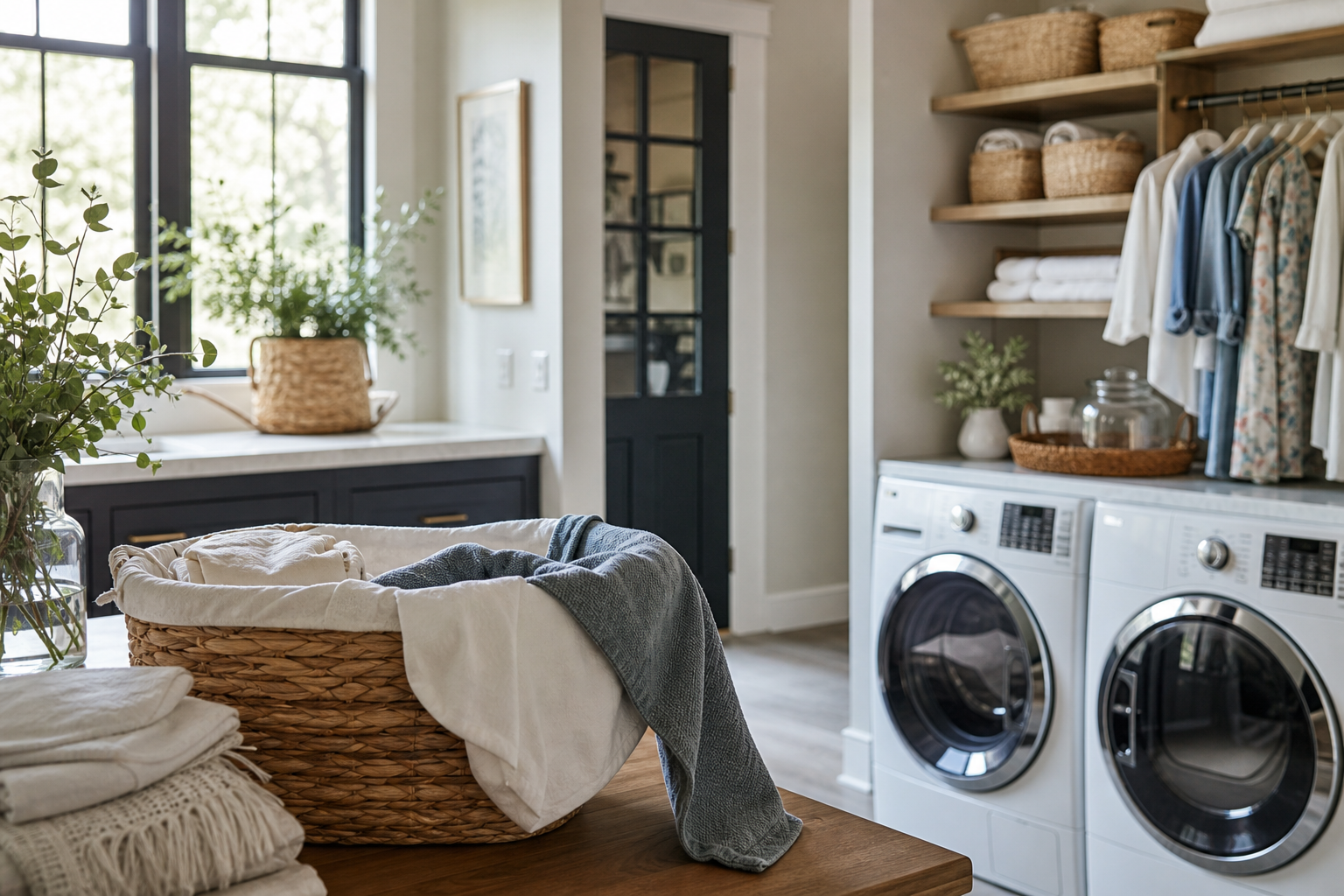
Mastering Your Wardrobe: How to Do Laundry the Right Way in Atlanta
Laundry is one of those household tasks we all assume we know how to do, yet most of us are inadvertently shortening the lifespan of our favorite clothes. Whether you are dealing with the red clay of a backyard in Marietta or the heavy tree pollen that coats every porch in Inman Park during the spring, knowing how to do laundry the right way is essential for maintaining a high-end wardrobe and a fresh-smelling home.
In this guide, we aren't just talking about throwing a pod into a machine. We are diving deep into the science of fabric care, the nuances of Southern humidity, and how to achieve professional-grade results without leaving your zip code. By the end of this article, you will have a workflow that saves you time and keeps your linens feeling like they belong in a Buckhead boutique hotel.
The Foundation: Sorting and Preparation
Most laundry disasters happen before the water even starts running. The first step in learning how to do laundry the right way is a meticulous sort. In Atlanta, where we often transition from humid outdoor heat to ice-cold air conditioning, we use a wide variety of fabrics—from breathable linens to heavy denim.
Sort by Color and Weight
Never mix your heavy denim jeans with delicate silk blouses. Not only can the rough texture of the denim cause pilling, but the heavy items will also take longer to dry, potentially leading to over-drying (and heat damage) for your lighter items. At a minimum, you should have four piles: Lights/Whites, Darks, Delicates, and Towels/Bedding.
Prep Your Garments
Before a single item hits the drum, check every pocket. A stray stick of lip balm or a forgotten MARTA card can ruin an entire load. Zip up all zippers to prevent them from snagging on other clothes, and turn printed t-shirts and dark jeans inside out to preserve the color and graphic integrity against the friction of the wash.
The Chemistry of Clean: Water and Detergent
Atlanta’s water is generally considered "soft" compared to other parts of the country, which means your detergent actually works more efficiently here. However, most people use far too much soap.
How to Dose Your Detergent
If you use a high-efficiency (HE) washer common in modern homes from Old Fourth Ward to Brookhaven, you only need about two tablespoons of liquid detergent for a standard load. Using more doesn't make clothes cleaner; it creates a sudsy residue that traps bacteria and skin cells in the fibers, leading to that "musty" smell that is exacerbated by Georgia's 90% humidity.
Temperature Literacy
While many believe hot water is necessary for a deep clean, modern detergents are formulated to work best in cold water. Cold water also prevents shrinking and fading—the two biggest enemies of a long-lasting wardrobe. Reserve hot water exclusively for "sanitary" loads like kitchen towels or bed sheets after someone has been sick.
Combatting Atlanta-Specific Laundry Challenges
Living in the South presents unique challenges that a generic guide won't cover. Between the "Yellow Smog" of pollen season and the inescapable red clay, your laundry routine needs a local strategy.
Managing the Pollen Layer
During March and April, pollen is everywhere. If you have been spending time on the Beltline or hiking at Sweetwater Creek, your clothes are likely covered in microscopic yellow spores. To do laundry the right way during pollen season, shake your clothes out outside before bringing them to the laundry room. Use an extra rinse cycle to ensure those allergens are completely flushed out of the fabric.
Dealing with Georgia Red Clay
Red clay is effectively a dye. If your kids have been playing at Piedmont Park and come home with stained knees, do not run the garment under hot water. This sets the stain. Instead, let the mud dry, brush off the excess, and apply a heavy-duty enzyme pre-treater. Soak for at least 30 minutes in cool water before washing.
The Drying Process: Air vs. Heat
The dryer is where most clothing damage occurs. High heat breaks down the elastic fibers (spandex) in our workout gear and shrinks natural fibers like cotton and wool.
When to Air Dry
In our humid climate, air drying inside is often better than hanging things outside where they might collect dust or more pollen. Use a drying rack in a room with a ceiling fan. Anything with "stretch"—including your favorite leggings and high-quality denim—should never see the inside of a dryer.
Efficient Machine Drying
To reduce wrinkles and save energy, use wool dryer balls instead of dryer sheets. They help circulate the air and naturally soften the fabric. If you're drying towels, don't overfill the machine; towels need plenty of room to tumble so they can stay fluffy rather than becoming stiff and scratchy.
Expert Cleaning Tips for a Fresh Home
- Clean Your Machine: Your washer needs a wash. Once a month, run an empty cycle with vinegar or a dedicated washer cleaner to remove mold and soap scum.
- The Towel Trick: If you have a load that is taking too long to dry, toss in a dry, clean bath towel for 15 minutes. It will absorb excess moisture and speed up the process.
- Steam, Don't Iron: For the busy professional in Midtown, a handheld steamer is a lifesaver. It’s faster than ironing and much gentler on fabrics like rayon and silk.
Common Mistakes to Avoid
- Overloading the Drum: Your clothes need room to move. If you pack the washer to the brim, the detergent can't circulate, and the friction won't be enough to lift dirt.
- Leaving Wet Clothes Too Long: In Atlanta’s heat, a load left in the washer for more than four hours will begin to grow mildew. If you forget a load, re-wash it with a cup of white vinegar to kill the odor.
- Using Fabric Softener on Towels: Fabric softener creates a waxy coating that makes towels less absorbent. Skip it entirely for your bathroom linens.
Why Quality Laundry Management Matters
Your home is your sanctuary, and your wardrobe is an investment. When you take the time to learn how to do laundry the right way, you aren't just cleaning clothes—you're preserving memories and maintaining your professional image. However, we know that between commuting on the Downtown Connector and enjoying everything the city has to offer, laundry can feel like a second full-time job.
Professional cleaning services in the metro area typically range from $150 to $450 depending on the size of the home and the scope of work. While many services stop at the floors and counters, a premium service understands that a truly clean home includes organized, well-cared-for linens. If your weekends are being swallowed by endless cycles of wash and dry, it might be time to review our pricing to see how affordable it is to get your time back. At Fuego Fresh Cleaning Services, we specialize in the kind of detail-oriented care that handles your home and your delicate fabrics with the respect they deserve. Whether you need a deep dive into our services or are ready for a fast booking, we are here to bring that "fresh linen" feeling to every corner of your Atlanta life.
Frequently Asked Questions
Q.How do I get the smell of Atlanta humidity out of my workout clothes?
Bacteria thrive in Georgia's humidity. To eliminate odors, soak your synthetic workout gear in a mixture of one part white vinegar to four parts cold water for 30 minutes before washing. Avoid fabric softeners, as they trap odors inside the fibers.
Q.What is the best way to wash clothes covered in spring pollen?
Shake garments outside before bringing them in to prevent spreading spores. Use an extra rinse cycle on your machine and a detergent with surfactants designed to lift fine particulates. Avoid line-drying outdoors during peak pollen months (March-May) to prevent re-contamination.
Q.Is Atlanta's water quality affecting my laundry results?
Atlanta generally has soft water, which is great for laundry. However, soft water makes it easier to over-suds your machine. Use only half the manufacturer-recommended amount of detergent; you will find your clothes are cleaner and less stiff.
Q.How can I remove Georgia red clay stains from white jerseys?
Never use hot water first, as heat sets the iron oxides in the clay. Brush off dried mud, then apply a paste of powdered detergent and water or an enzyme-based stain remover. Let it sit for an hour before washing in cool water.
Q.Does Fuego Fresh include laundry in a standard residential cleaning?
While our standard cleanings focus on surfaces and sanitation, we offer laundry and linen changes as a popular add-on service. This allows Atlanta homeowners to enjoy professionally folded clothes and freshly made beds without lifting a finger.
Ready for a Cleaner Home?
Get a free quote from Fuego Fresh Cleaning Services today. Background-checked, fully insured, ridiculously detail-focused.
Comments
Loading comments…