
How to Reduce Microplastics in Your Laundry Routine: An Atlanta Homeowner’s Guide
Discover effective strategies for minimizing synthetic fiber shedding in your wash, protecting both your high-end Atlanta home and the local Georgia waterways.
How to Reduce Microplastics in Your Laundry Routine
If you live in a bustling Metro Atlanta neighborhood like Buckhead, Virginia-Highland, or Old Fourth Ward, you likely take pride in maintaining a home that reflects your values. However, there is an invisible guest lurking in your washing machine that might be undermining your eco-friendly efforts. We are talking about synthetic fibers. Learning how to reduce microplastics in your laundry routine is no longer just a niche environmental concern; it is a vital step in maintaining a healthy home environment and protecting Georgia’s precious waterways.
Every time you toss a polyester yoga mat towel or a synthetic fleece jacket into the wash, thousands of tiny plastic threads break off. These microplastics are too small for most municipal filtration systems to catch, meaning they eventually wind up in the Chattahoochee River. In this guide, we will break down why this happens and provide actionable steps to stop the cycle.
The Scale of the Microplastic Problem in Georgia
Why Atlanta Homeowners Should Care
Microplastics are plastic fragments less than five millimeters in length. While they might seem insignificant, their cumulative impact is massive. In a high-density area like Metro Atlanta, the sheer volume of laundry being processed daily means millions of fibers are released into our local ecosystems every hour. These fibers don't just disappear; they attract toxins and can eventually end up back in the food chain.
The Role of Modern Fabrics
From the moisture-wicking gear we wear to hike the Eastside Beltline to the plush synthetic rugs in a Milton estate, plastics are everywhere. Common culprits include:
- Polyester
- Nylon
- Acrylic
- Spandex (Elastane)
Effective Strategies: How to Reduce Microplastics in Your Laundry Routine
1. Upgrade Your Filtration System
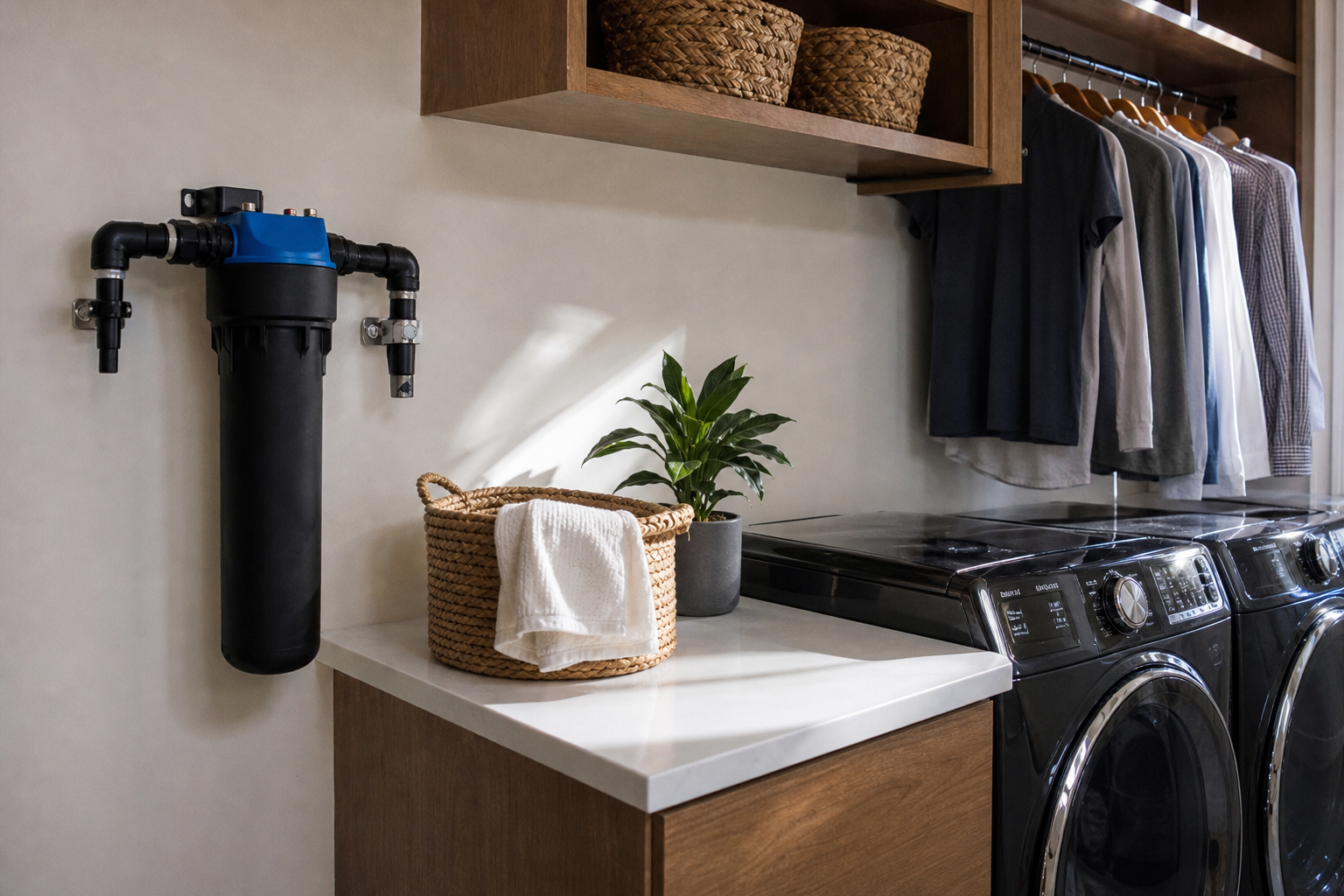
The most effective way to stop microplastics at the source is by installing a specialized external filter. These units, such as the PlanetCare or Filtrol systems, attach to your washing machine’s discharge hose. They catch up to 90% of microfibers before they ever leave your laundry room. While they require a small upfront investment, they are the gold standard for a truly green Atlanta home.
2. Use a Microfiber Capturing Bag
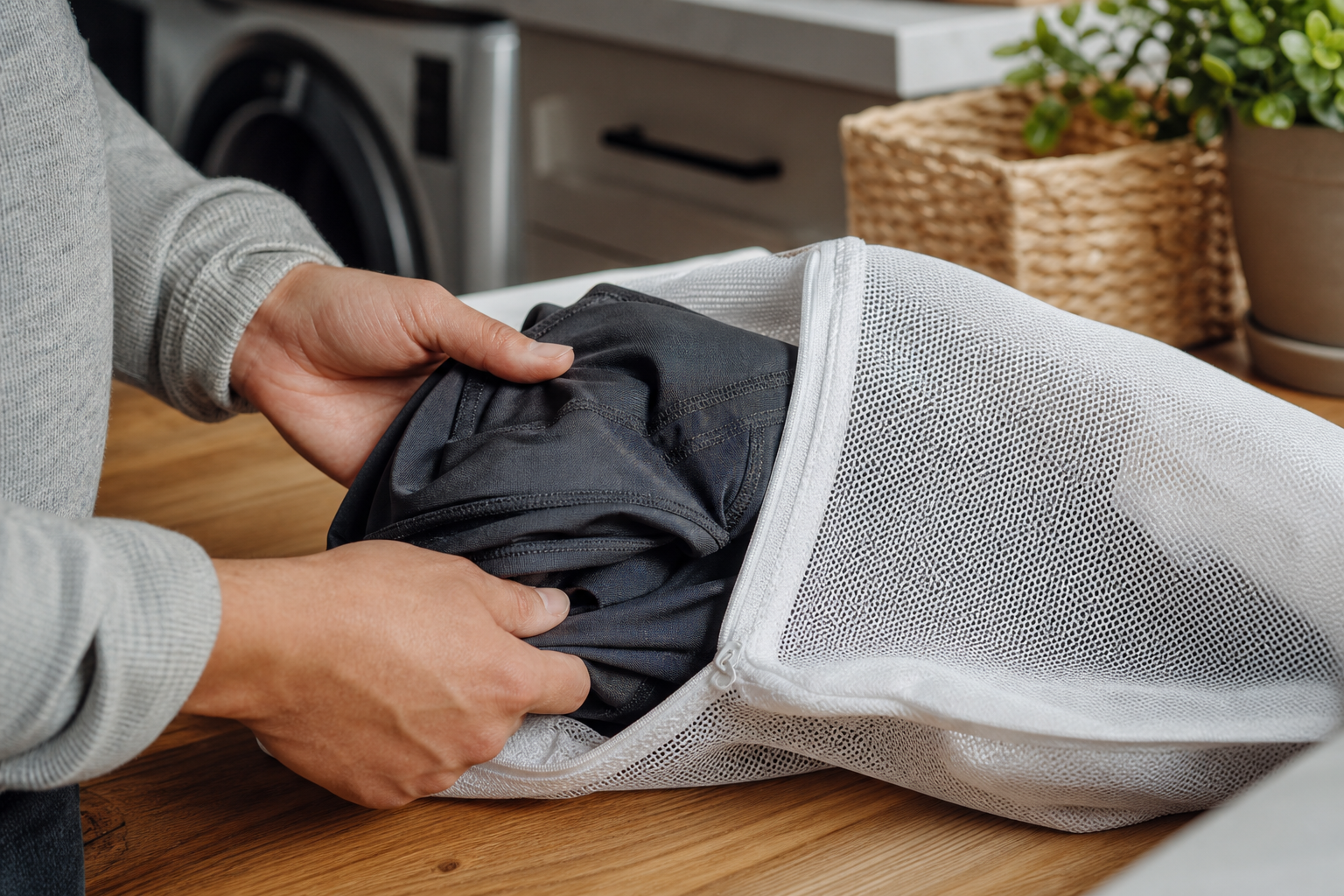
If you aren't ready for a permanent plumbing addition, microfiber bags (like the Guppyfriend) are an excellent alternative. Simply place your synthetic items inside the bag before washing. The bag allows water through but traps the broken fibers, which you can then collect and dispose of in the trash rather than the drain.
3. Adjust Your Wash Settings
High heat and vigorous agitation are the enemies of fabric integrity. When fibers are stressed, they break. To minimize shedding:
- Wash in Cold Water: Hot water weakens synthetic bonds. Cold water is gentler and saves energy.
- Select Lower Spin Speeds: Reducing the mechanical stress on fabrics keeps them intact longer.
- Full Loads Only: When clothes rub against each other in a half-empty drum, they create more friction. A full (but not overloaded) drum reduces this impact.
The Financial Aspect: What Does Eco-Friendly Laundry Cost?
Transitioning to a low-plastic laundry routine involves various price points depending on your level of commitment. In the Atlanta market, here is what you can expect to spend:
- Low Cost ($30 - $60): Purchasing microfiber laundry bags or laundry balls that collect fibers during the cycle.
- Mid-Range ($150 - $250): Buying a high-quality external filtration system and basic plumbing supplies for a DIY install in your laundry room.
- Professional Integration ($350 - $500+): Having a professional plumber or home maintenance expert install a dedicated filtration system and performing a deep clean of your existing washer to remove built-up residue.
Investing in these tools not only helps the environment but can also extend the life of your expensive premium home surfaces by reducing the amount of abrasive plastic dust circulating in your indoor air.
Expert Cleaning Tips for Synthetic Fabrics
Spot Clean Whenever Possible
Not every garment needs a full immersion wash after one use. If you’ve spent a humid afternoon walking around Ponce City Market, you might just need to air out your clothes or spot-clean a small area. Reducing the frequency of washes is the single most effective way to lower your microplastic footprint.
Choose Liquid Detergent Over Powder
Powdered detergents can be abrasive. The undissolved grains act like sandpaper against synthetic fibers, scrubbing off more microplastics. Switching to a high-quality, eco-friendly liquid detergent reduces this friction and keeps your clothes looking newer for longer.
Air Dry More Often
The heat of an Atlanta summer isn't just for the outdoors. If you have the space in your laundry room or a private balcony in Midtown, air drying your synthetics prevents the heat damage that leads to fiber breakage in the dryer.
Common Mistakes to Avoid
- Over-drying: Leaving synthetic clothes in a hot dryer for too long makes fibers brittle and prone to breaking during the next wash cycle.
- Mixing Heavily Soiled Items with Delicates: The rough textures of work clothes or denim can shred softer synthetic fabrics like leggings.
- Ignoring the Lint Trap: While the dryer lint trap doesn't catch everything, it is a primary defense. Never wash lint down the sink; always dispose of it in the trash.
- Using Fabric Softeners on Synthetics: Softeners can actually coat fibers in a way that makes them more likely to slide out of the weave and become microplastics.
Maintaining a Pristine Home in the City
Atlanta’s unique environment—from the heavy spring pollen to the high humidity—means our homes work harder to stay clean. Microplastics contribute to the fine dust that settles on your baseboards and under furniture. By controlling them in the laundry, you are making your overall home maintenance much easier.
If you find that the hidden buildup of dust and fibers is becoming too much to manage alongside your busy schedule, it might be time to look into professional cleaning pricing. A deep clean can reset your home's baseline, removing the hidden pollutants that standard vacuuming often misses.
Conclusion
Understanding how to reduce microplastics in your laundry routine is a journey of small, intentional changes. Whether you start by washing in cold water or go all-in with a professional-grade filtration system, you are contributing to a cleaner Atlanta and a healthier home. By protecting our local water and reducing the synthetic debris in our living spaces, we ensure that our city remains a beautiful place to live for generations to come.
Frequently Asked Questions
Q.Does Atlanta’s hard water affect microplastic shedding?
Yes, the mineral content in some Metro Atlanta water can increase friction during the wash cycle. Using a water softener or a specialized eco-detergent can help lubricate fibers, reducing the amount of plastic that breaks off your clothes.
Q.Can I recycle the microplastics caught in my filter?
Currently, most municipal recycling programs in Fulton or DeKalb County cannot process loose microfibers. The best practice is to place the collected fibers in a sealed bag and dispose of them in your regular household trash to prevent them from becoming airborne.
Q.How often should I clean my washing machine filter in Atlanta?
For a standard family home in neighborhoods like Inman Park or Morningside, we recommend checking your internal pump filter every 3 months. If you install an external microplastic filter, you may need to clean it every 10-20 loads depending on the brand.
Q.Are there specific brands of detergent recommended for Atlanta homes?
We suggest liquid detergents that are biodegradable and free of harsh sulfates. Brands that focus on cold-water performance are ideal for Atlanta's climate, as they clean effectively without the fiber-damaging heat.
Q.When is it worth hiring a professional to deep clean my laundry area?
If you notice a persistent musty smell or a buildup of fine gray dust behind your machines, it is time for a pro. Professional cleaners can reach the hidden areas where microplastics and lint accumulate, reducing fire hazards and improving indoor air quality.
Ready for a Cleaner Home?
Get a free quote from Fuego Fresh Cleaning Services today. Background-checked, fully insured, ridiculously detail-focused.
Comments
Loading comments…