
Laundry Sorting Hacks to Prevent White Clothes from Turning Grey: The Ultimate Atlanta Guide
Discover professional secrets and local Atlanta tips to revive your dingy whites and master sorting techniques that keep your wardrobe looking fresh and bright year-round.

Laundry Sorting Hacks to Prevent White Clothes from Turning Grey
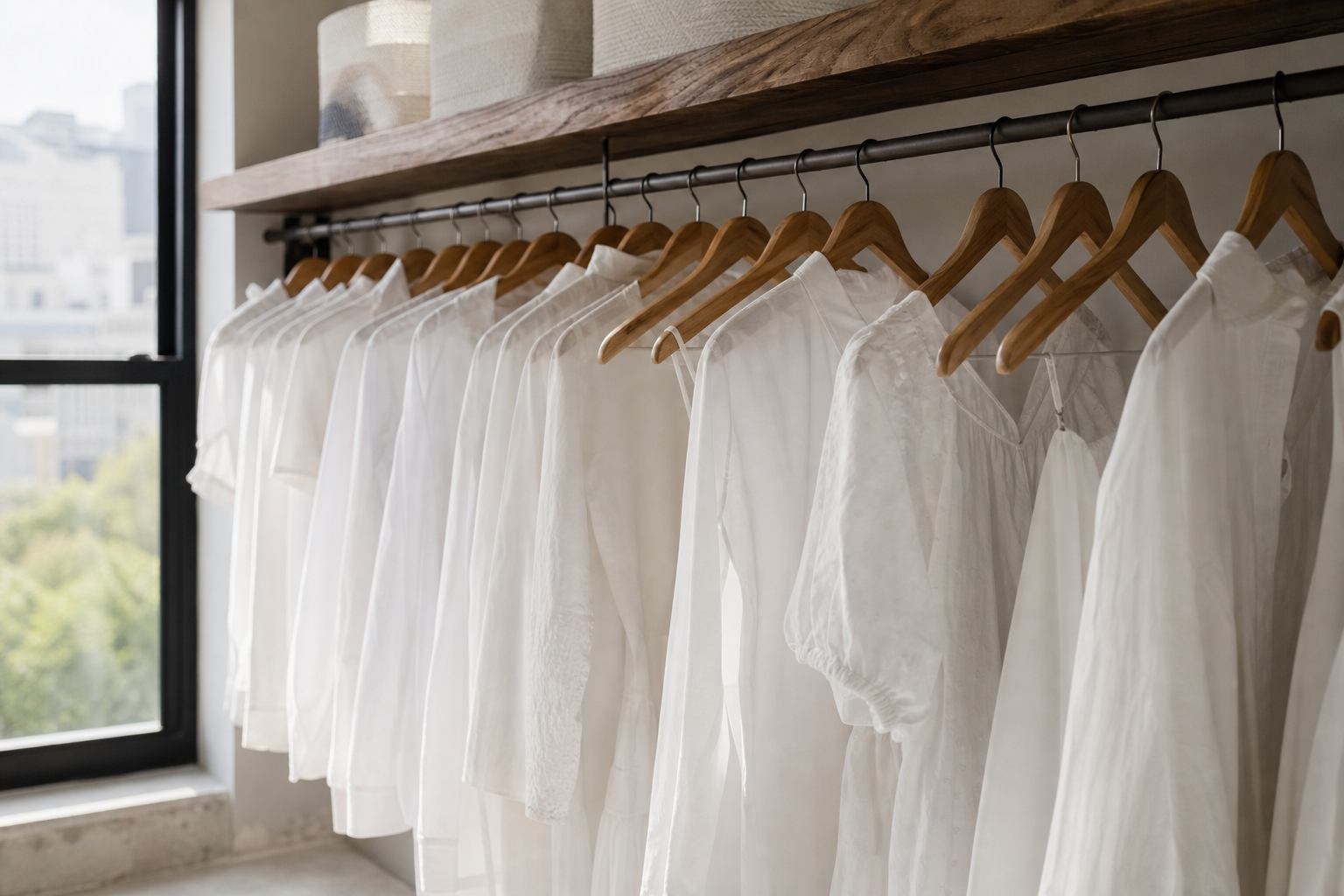
There is nothing quite like the feeling of pulling a crisp, bright white linen shirt out of the dryer, especially when you’re getting ready for a sunny afternoon walk along the Eastside Beltline or a dinner in Buckhead. However, for many Atlanta residents, that brilliant white doesn't stay white for long. Over time, those staples often take on a depressing, muddy tint. If you’ve been frustrated by your favorite tees losing their luster, you need specific laundry sorting hacks to prevent white clothes from turning grey.
In this guide, we aren't just talking about basic separation. We are diving into the chemistry of Atlanta’s water, the impact of our unique humidity, and the high-level sorting strategies used by professional cleaning teams to ensure your fabrics remain gallery-white.
Why Do White Clothes Turn Grey in the First Place?
Before we fix it, we have to understand the culprit. Greyed-out whites are usually the result of "color transfer" or "soil redeposition." In a humid environment like Georgia, sweat and body oils (sebum) can trap dirt into the fibers. When you wash whites with even slightly darker items, the loose dyes from the dark clothes settle into the white fibers, which act like a sponge.
The Role of Atlanta’s Water
While Metro Atlanta’s water is generally considered soft compared to the Midwest, the aging pipes in historic neighborhoods like Cabbagetown or Inman Park can introduce trace minerals. These minerals react with detergents to create a "scum" that makes white fabric look dull and dingy over time.
Overloading the Machine
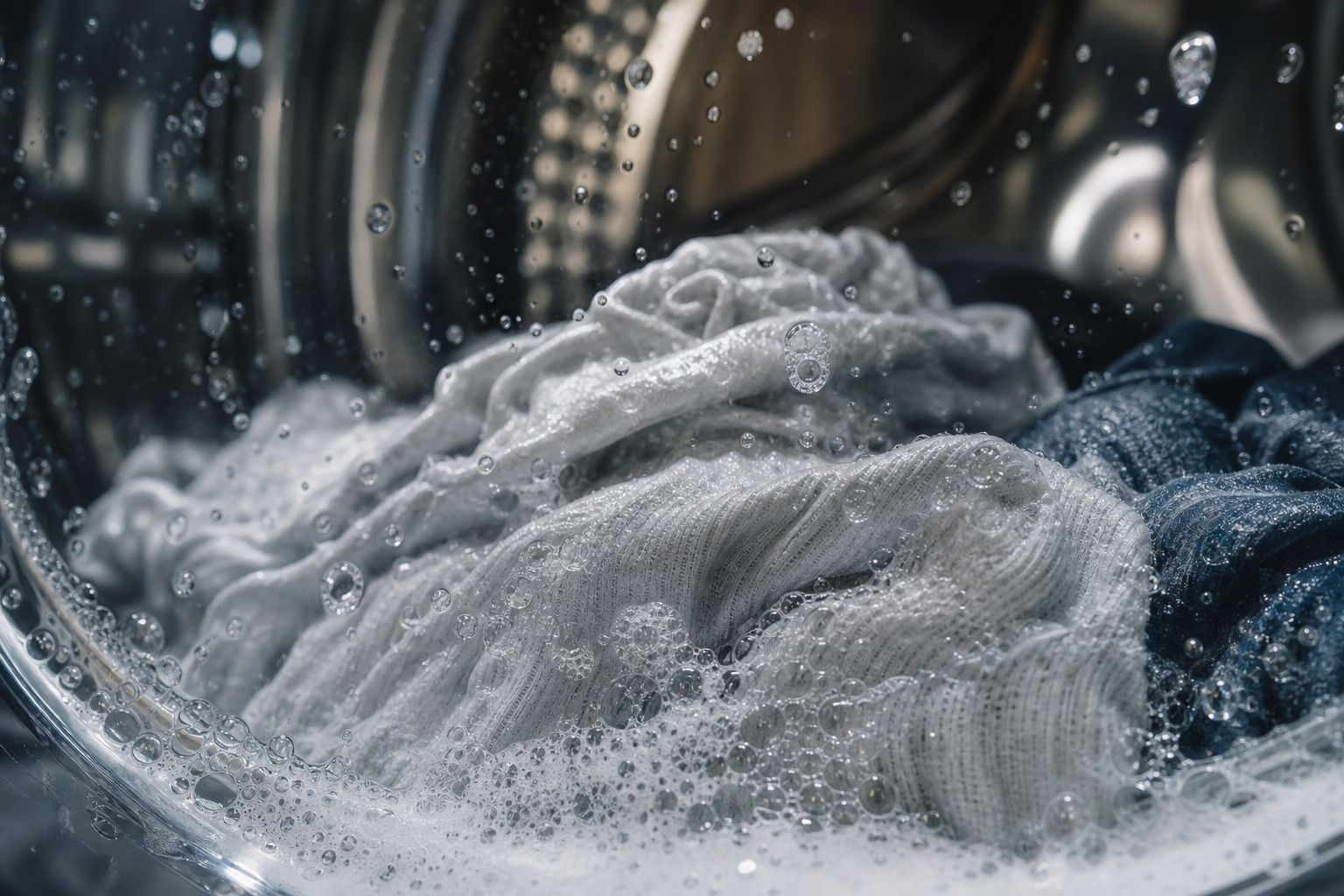
We all want to save time, but cramming a week’s worth of laundry into one cycle is the fastest way to turn whites grey. When the machine is too full, there isn't enough water to carry the suspended dirt away. Instead, that dirty water gets pushed back into the fabric, effectively dyeing your whites a light shade of "dirty puddle."
The Advanced Laundry Sorting Hacks to Prevent White Clothes from Turning Grey
To keep your whites pristine, you need to move beyond just "Lights" and "Darks." Professional-grade sorting requires a more nuanced approach.
1. The Five-Pile System
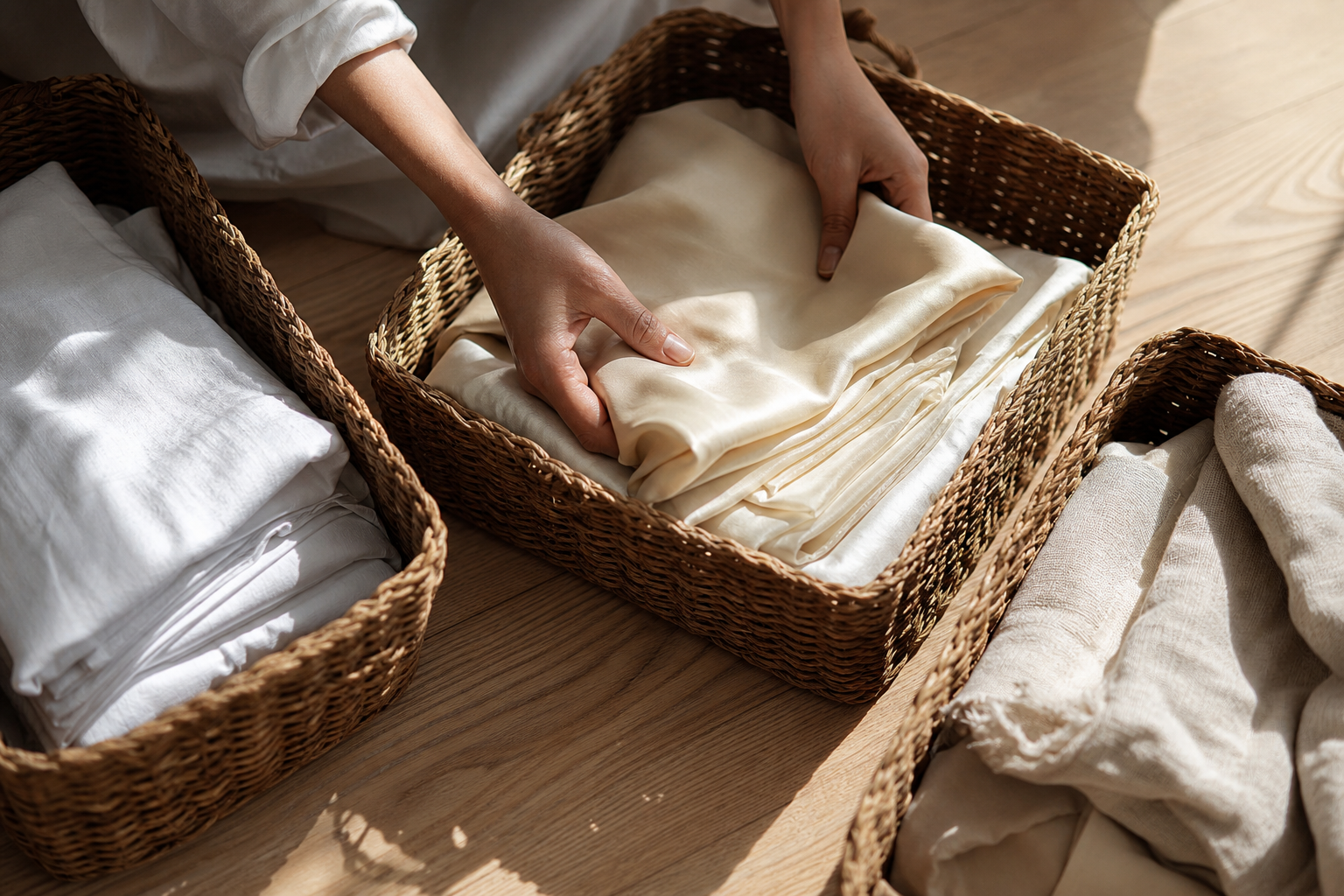
Don't just make two piles. Separate your laundry into these specific categories:
- True Whites: Only pure white items (undershirts, socks, sheets).
- Light Pastels: Creams, pale yellows, and light greys. These often look white but contain enough dye to dull a pure white garment.
- Brights: Reds, oranges, and pinks. These are the most notorious for "bleeding."
- Darks: Navy, black, and forest green.
- Heavy Soil: Gym clothes from a humid jog at Chastain Park or muddy clothes from a weekend at Lake Lanier should always be washed separately, regardless of color.
2. Fabric Weight and Texture Sorting
Did you know that washing a white cotton t-shirt with white towels can actually make the shirt look older? Towels produce lint, and that lint attaches to finer fabrics. Always sort your whites by weight. Keep your heavy cotton towels in one load and your delicate blouses or dress shirts in another.
3. Turning Clothes Inside Out
This is a simple but effective hack. Most of the "grey" comes from external friction and the redeposition of dyes. By turning your white clothes inside out, you protect the outer fibers from the abrasive action of the wash cycle and ensure the sweat and oils on the inside are directly targeted by the detergent.
Temperature and Additives: The Secret Sauce
Sorting is only half the battle. How you treat those sorted piles determines the final result.
Hot Water for Whites
Unless the care tag specifically forbids it, white cottons should be washed in the warmest water safe for the fabric. Heat helps break down the body oils that hold onto grey-tinted dirt. For those living in modern luxury apartments in Midtown with high-efficiency (HE) machines, ensure you are using the "Whites" cycle which is optimized for this temperature balance.
The Power of Natural Boosters
Forget harsh chemical bleaches that can yellow synthetic fibers. Instead, try these boosters:
- Baking Soda: Add half a cup to your wash to boost the detergent’s pH level.
- White Vinegar: Use this in the fabric softener dispenser to strip away the mineral buildup from Atlanta’s water pipes.
- Lemon Juice: A natural whitening agent that smells as fresh as a Georgia peach orchard.
Expert Cleaning Tips for Maintaining a Bright Home
Maintaining whites isn't just about the laundry room; it's about the environment of your home. If your floors are dusty or your upholstery is neglected, that dirt eventually finds its way onto your clothes.
- Clean Your Machine: Every month, run an empty cycle with vinegar or a specialized cleaner. A dirty drum will never produce bright white clothes.
- Filter Your Air: During Atlanta's notorious pollen season, keep your windows closed. Yellow pollen drifting onto white bedding is a recipe for permanent stains.
- Check Your Dryer: Ensure your dryer vent is clean. A clogged vent increases heat and can actually "bake" stains and greyness into the fabric.
For those who want their entire home to reflect that same level of crisp, white perfection, exploring professional services can take the weight off your shoulders.
Common Mistakes to Avoid
- Using Too Much Detergent: This is the #1 mistake. Excess suds trap dirt and redeposit it onto the clothes. More soap does not equal more clean; it equals more grey.
- Mixing Synthetic and Natural Fibers: Polyester and nylon tend to attract dyes from other fabrics like a magnet. Keep your white synthetic gym gear far away from your dark cotton hoodies.
- Ignoring the "Dry Clean Only" Tag: If you have a high-end white blazer for a night out in The Battery, don't risk the home machine. Professional solvents are sometimes the only way to prevent greying on delicate structured pieces.
When to Hire a Pro and What It Costs
Sometimes, the laundry mountain in an active Atlanta household becomes too much to handle alongside a 50-hour work week and social commitments. While many people handle their own laundry, hiring a premium cleaning service allows you to focus on your life while we ensure your home environment remains pristine.
In the Metro Atlanta area, including neighborhoods like Virginia-Highland, Morningside, and Sandy Springs, professional residential cleaning typically ranges from $150 to $450 depending on the square footage and the depth of the clean. Investing in a recurring service ensures that dust and allergens are removed before they ever have a chance to turn your white linens grey.
You can check out our pricing guide to see how we can fit into your lifestyle and help maintain your home’s brilliance.
Conclusion
Mastering laundry sorting hacks to prevent white clothes from turning grey is about attention to detail and understanding the environment. By separating by weight, using the five-pile system, and being mindful of Atlanta’s specific water and climate challenges, you can keep your wardrobe looking brand new. A bright, white wardrobe is the ultimate reflection of a clean, organized life. If you find yourself overwhelmed by the chores, let the experts handle the heavy lifting so you can get back to enjoying everything our beautiful city has to offer.
Frequently Asked Questions
Q.Why do my white clothes turn grey even when I wash them alone?
This usually happens due to 'soil redeposition.' If you use too much detergent or overload the machine, the dirt lifted from the clothes stays suspended in the water and settles back into the fibers. Additionally, mineral buildup from older Atlanta plumbing can create a dull grey film on fabrics over time.
Q.Can I use bleach to fix greyed-out clothes?
Bleach should be used cautiously. While it works on 100% cotton, it can actually cause a chemical reaction with synthetic fibers (like polyester or spandex) that turns them yellow or even darker grey. We recommend using oxygen-based whiteners or natural boosters like baking soda and vinegar first.
Q.How often should I clean my washing machine in Atlanta?
Given the humidity in Georgia, you should clean your washing machine once a month to prevent mold, mildew, and detergent buildup. Run a hot cycle with two cups of white vinegar or a specialized drum cleaner to ensure your whites aren't being washed in a dirty environment.
Q.Is Atlanta's water harsh on white fabrics?
Atlanta water is relatively soft, but if you live in historic areas like Grant Park or Decatur, older pipes can leach minerals into the water. These minerals can trap dirt against the fabric, leading to that dreaded grey tint. Using a water softener or adding a splash of vinegar to the rinse cycle helps neutralize this.
Q.What is the best temperature for washing whites to keep them bright?
For most white cottons, hot water (around 120°F or 50°C) is best because it effectively dissolves body oils and sweat that lead to greying. However, always check the care label; if the garment has elastic or synthetic blends, use warm water to avoid damaging the fibers.
Ready for a Cleaner Home?
Get a free quote from Fuego Fresh Cleaning Services today. Background-checked, fully insured, ridiculously detail-focused.
Comments
Loading comments…