Pollen Season Cleaning Tips: Atlanta's Guide to Surviving the Yellow Haze
Discover how to protect your Atlanta home from the inevitable spring yellow dust with our comprehensive guide to professional-grade pollen removal and prevention strategies.

Pollen Season Cleaning Tips: Atlanta's Guide to Surviving the Yellow Haze
If you live in Atlanta, you know that spring doesn't just bring cherry blossoms and Peachtree Road Race training—it brings the "Yellow Haze." That fine, powdery pine dust settles on every surface from Buckhead to Kirkwood, turning blue cars green and making indoor air quality a nightmare for allergy sufferers. Finding effective pollen season cleaning tips in Atlanta is more than just an aesthetic choice; it is about maintaining a healthy, breathable environment in your home.
In this guide, we will break down exactly why Atlanta's pollen is so aggressive, how to tackle it surface-by-surface, and when it's time to call in the professionals to deep-clean your sanctuary.
The Unique Challenge of Atlanta’s Pollen Season
Atlanta is often ranked as one of the most challenging cities for allergy sufferers. Our nickname, "The City in a Forest," is a badge of honor most of the year, but during March and April, our massive canopy of Loblolly pines and Oak trees becomes a massive source of yellow dust.
Understanding the Pollen Count
When the local news mentions a pollen count of 5,000 or higher, that’s not just a number—it’s a physical layer of debris entering your home every time a door opens or the HVAC system kicks on. Because of Georgia's high humidity, pollen grains often stick to surfaces more aggressively than in drier climates, making them harder to simply wipe away.
How Pollen Enters Your Home
Even if you keep your windows tightly shut, pollen hitches a ride on your clothes after a walk on the Beltline, on your dog's paws after a trip to Piedmont Park, and through microscopic gaps in window seals. Once inside, it settles into your carpets, upholstery, and hard-to-reach corners.
Essential Exterior Interventions
Stopping the pollen at the threshold is your first line of defense. If you don't clean your outdoor spaces, you are essentially inviting the dust inside every time you walk through the door.
The "Wash Down" Method
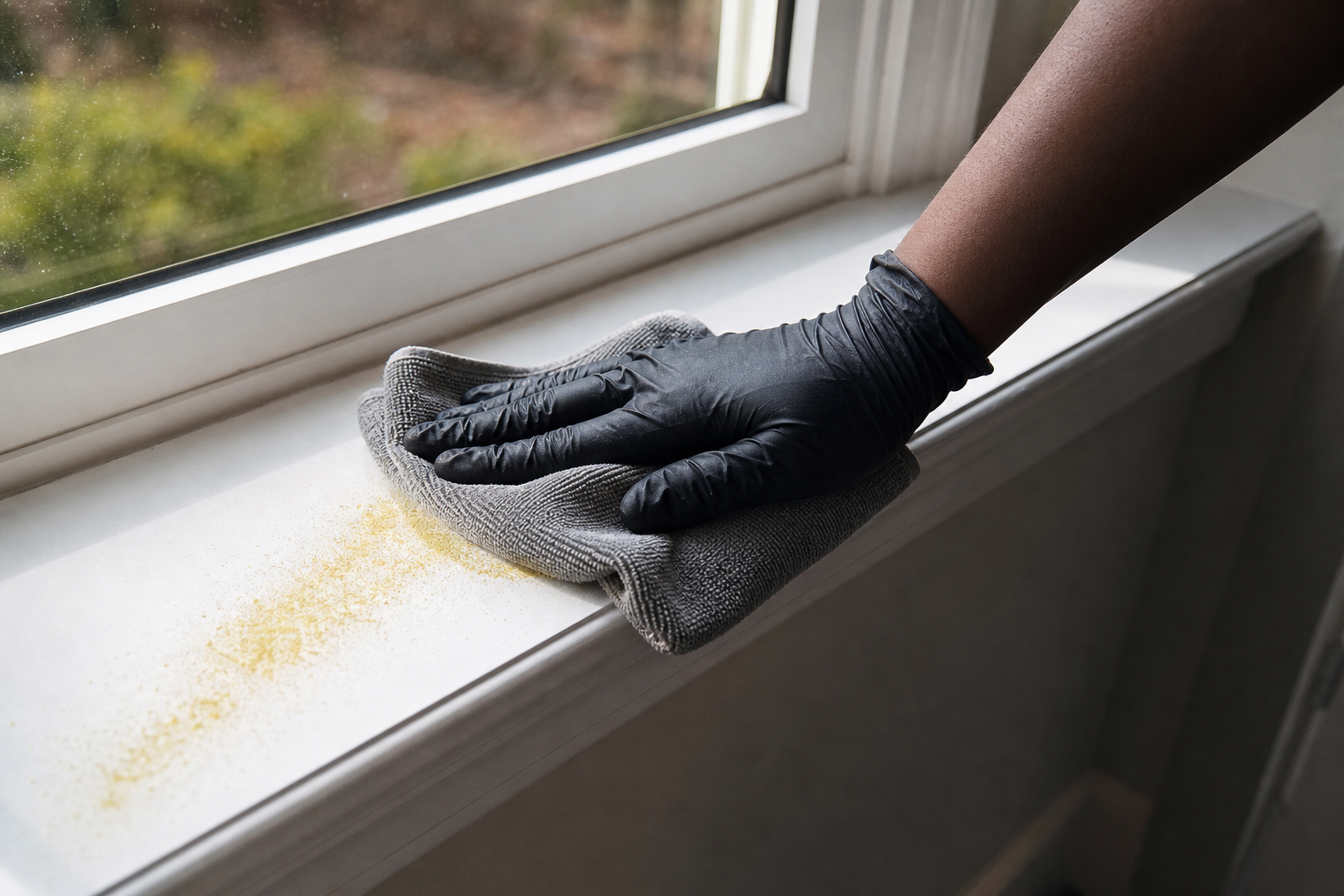
Don't wait for a thunderstorm to clean your porch. Use a garden hose (not a high-pressure washer, which can damage paint) to rinse down your entryways, front steps, and windowsills twice a week during peak season. Focus heavily on the door frames where pollen loves to hide in the crevices.
The Mudroom Strategy
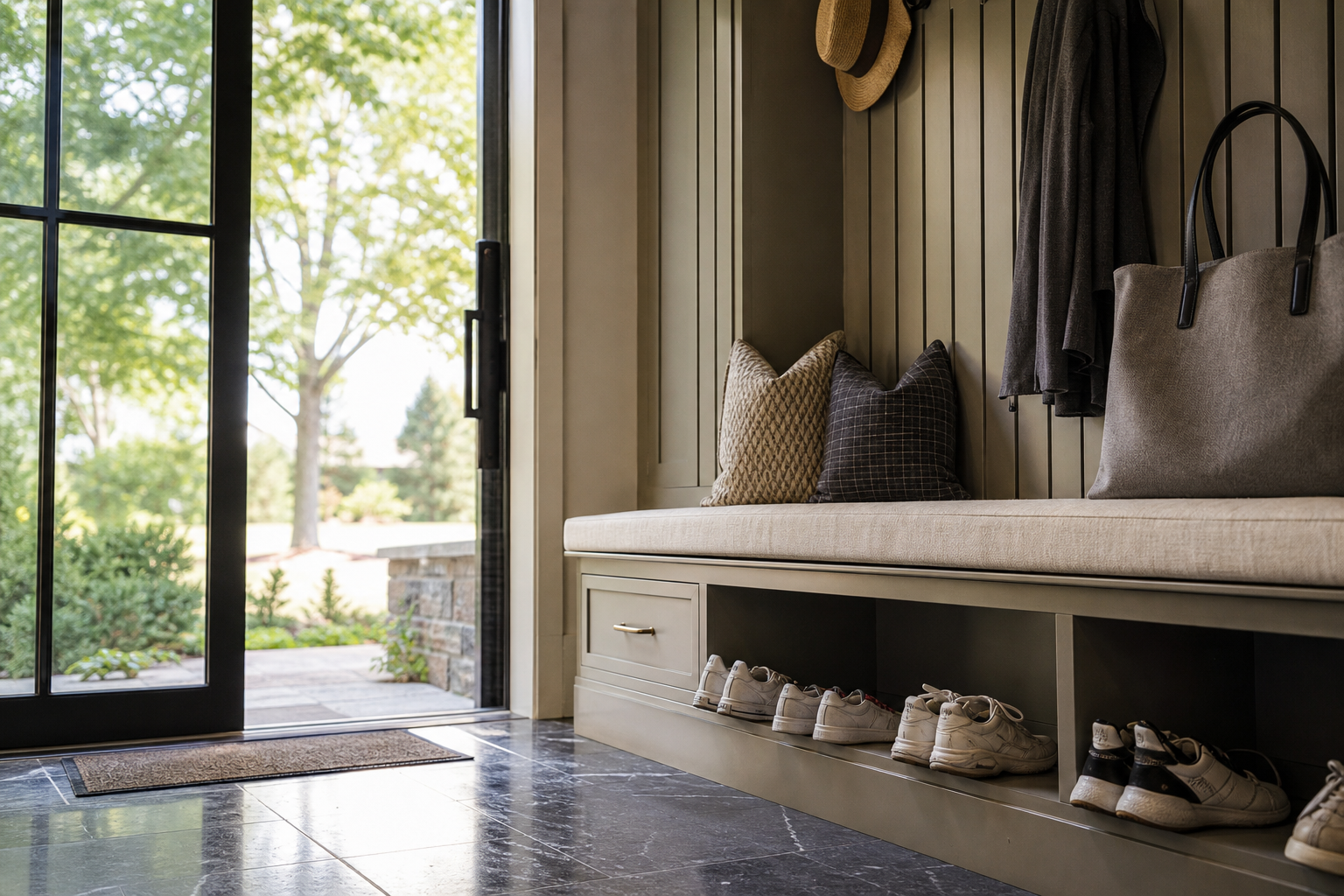
Establish a "de-pollen" zone. If you have a mudroom or a specific entry area, this is where shoes should be removed immediately. Keep a damp microfiber cloth near the door to wipe down your dog’s coat and paws. This single habit can reduce the amount of yellow dust in your main living areas by up to 50%.
Interior Surface Strategies: Removing the Dust
When it comes to the interior, the goal is removal, not redistribution. Dry dusting is the enemy during a Georgia spring.
The Damp-Dusting Rule
Never use a feather duster. It simply launches pollen particles back into the air where they stay suspended for hours. Instead, use a damp microfiber cloth. The moisture traps the pollen, allowing you to actually remove it from the home. Start from the highest points—like ceiling fan blades and the tops of bookshelves—and work your way down to the floors.
HEPA Filtration and Vacuuming
Standard vacuum filters often exhaust fine particles back into the room. During pollen season, a vacuum with a HEPA (High-Efficiency Particulate Air) filter is non-negotiable. Vacuum high-traffic areas daily and ensure you are getting under furniture where dust bunnies act as magnets for allergens.
Washing Textiles
Your curtains, throw pillows, and bedding are giant filters that trap pollen. During the peak weeks, try to wash your pillowcases and bedding more frequently in hot water. If you have heavy drapes, give them a quick vacuum with a brush attachment or consider switching to lighter, washable fabrics during the spring months.
Expert Cleaning Tips for Lasting Freshness
To truly get a handle on the allergen load, you need to think like a professional. Here are the top professional pollen season cleaning tips Atlanta residents should implement:
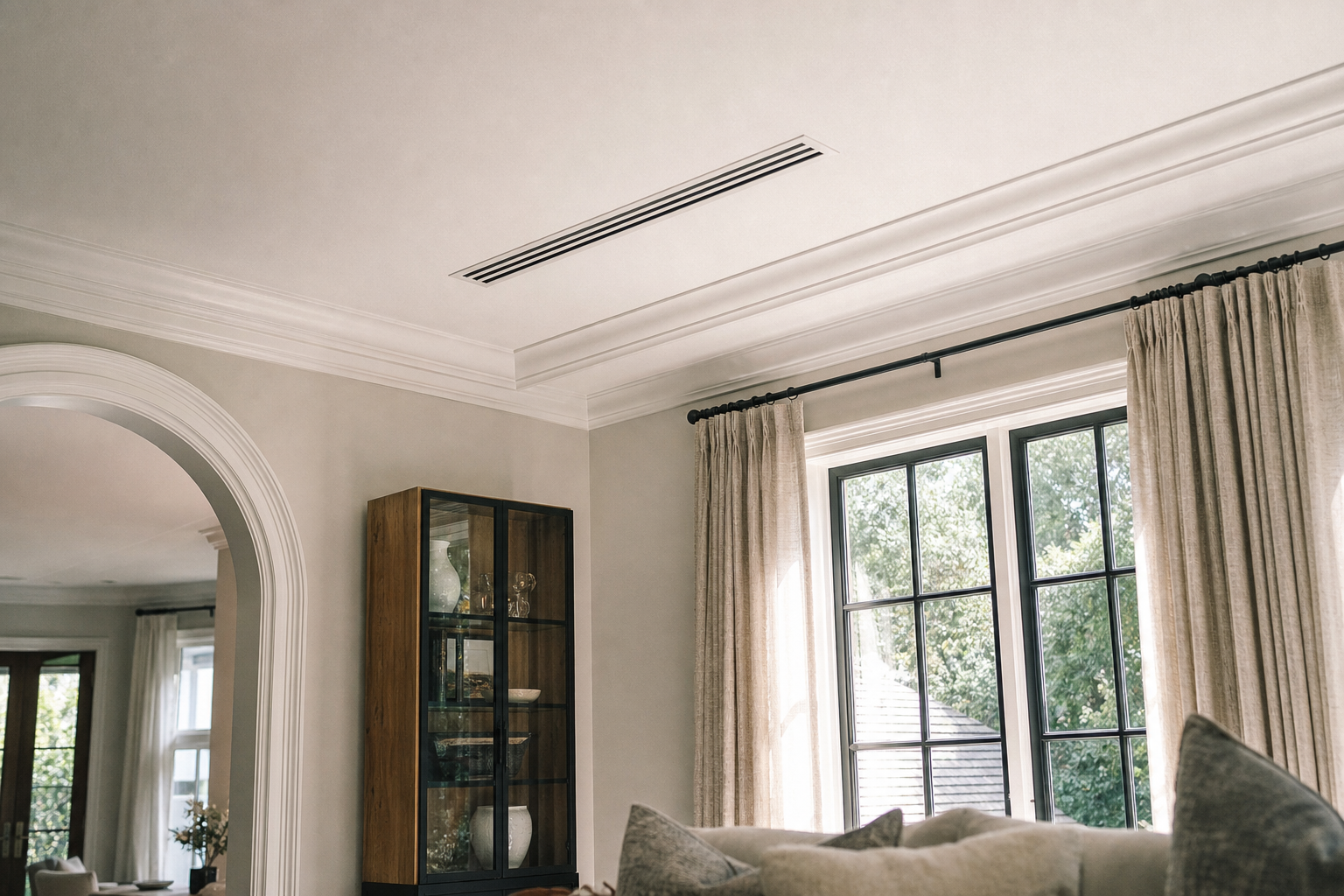
- Change Your HVAC Filters Monthly: While most filters say they last three months, the sheer volume of particulate matter in Atlanta during April can clog a filter in 30 days. Use a filter with a MERV rating of at least 11 to catch those tiny pine spores.
- Purify the Air: Consider running standalone air purifiers in bedrooms. Look for units that specifically mention pollen and Georgia-specific allergens.
- Maintain Humidity: Keep your indoor humidity between 30% and 50%. This prevents the air from becoming too dry (which keeps pollen airborne) or too humid (which promotes mold growth alongside the pollen).
- Clean Your Screens: Window screens are pollen traps. Take them off, scrub them with soapy water, and rinse them thoroughly. You’ll be shocked at the amount of yellow sludge that comes off.
Common Mistakes to Avoid
Many homeowners inadvertently make the situation worse by using the wrong techniques. Here is what to avoid:
- Opening Windows for "Fresh Air": It might be 70 degrees and beautiful, but an open window is an invitation for millions of pollen spores to coat your furniture. Keep the AC on "recirculate."
- Using Scented Sprays to "Fix" Air Quality: Sprays don't remove pollen; they just add more particulates to the air. Focus on mechanical removal (cleaning and filtering) instead.
- Neglecting the Car: If your car is covered in yellow dust and you pull it into the garage, that pollen will eventually migrate into your kitchen or laundry room. Rinse the car frequently before parking it inside.
- Skipping the Top of Door Frames: These flat ledges are often missed but hold significant amounts of dust that falls every time the door moves.
Professional Pollen Removal: Costs and Benefits
Sometimes, the accumulation is more than a standard Saturday chores list can handle. Professional services offer a level of detail that reaches the hidden reservoirs of pollen in your home.
What Does it Cost in Atlanta?
Professional cleaning rates in the Atlanta metro area depend on the square footage and the level of buildup. For a targeted "pollen deep clean," you can expect the following price ranges:
- Condos and Apartments (1-2 Bedrooms): $150 – $250
- Mid-Sized Homes (3 Bedrooms): $250 – $350
- Large Estates (4+ Bedrooms): $350 – $450+
Investing in a professional deep clean during the final weeks of April or early May allows you to effectively "reset" your home for the summer. Our team at Fuego Fresh uses specialized tools and high-grade microfiber technology to ensure that when we leave, the yellow haze leaves with us.
Conclusion: Reclaiming Your Home
While we can’t stop the trees from blooming, we can certainly stop them from taking over our living rooms. By following these pollen season cleaning tips in Atlanta, you can breathe easier and enjoy your home without the constant itch of seasonal allergies. Focus on damp-dusting, maintain your filters, and stay diligent with your entryways.
If the task feels overwhelming, or if you want to ensure every last spore is eliminated from your baseboards and blinds, check our pricing and let us handle the heavy lifting. A truly fresh, Fuego-level clean is exactly what your home needs this spring. You can easily book online to secure your spot before the peak season rush.
Frequently Asked Questions
Q.How often should I clean for pollen during Atlanta's peak season?
During the peak 'Yellow Haze' weeks (usually late March through April), you should damp-dust high-touch surfaces daily and vacuum high-traffic areas every 24-48 hours. Exterior entryways and porches should be rinsed weekly to prevent tracking the dust deep into your carpets.
Q.Does a standard air filter help with Georgia pine pollen?
Standard 'fiberglass' filters are insufficient for the heavy pollen loads in Atlanta. We recommend switching to a pleated MERV 11 or MERV 13 filter during the spring months and changing it every 30 days to ensure your HVAC system isn't just circulating allergens throughout the house.
Q.What is the best way to clean pollen off a screened-in porch?
Avoid using a leaf blower, as this just redistributes the dust into the air and onto your house siding. Use a soft-bristle brush with a mixture of water and mild dish soap to scrub the screens, then gently hose them down from the inside out to push the pollen away from the living area.
Q.Should I have my carpets professionally cleaned after pollen season?
Yes, once the pollen count drops consistently in May, a professional carpet cleaning is highly recommended. Pollen is sticky and abrasive; it gets trapped deep in carpet fibers where standard vacuums can't reach, potentially causing long-term indoor air quality issues.
Q.Will a professional maid service really help with my allergies?
Absolutely. Professional cleaners like Fuego Fresh use high-efficiency HEPA vacuums and specialized damp-cleaning techniques that capture significantly more particulate matter than standard household tools. Removing the 'reservoir' of allergens in your home provides immediate relief for most allergy sufferers.
Ready for a Cleaner Home?
Get a free quote from Fuego Fresh Cleaning today. Background-checked, fully insured, ridiculously detail-focused.
Comments
Loading comments…