
The Ultimate Guide: How to Remove Blood Stains from Clothes Using Hydrogen Peroxide
Struggling with a stubborn laundry mishap in the A? Our comprehensive guide explains how to use household hydrogen peroxide to safely lift blood stains from your favorite garments.

The Ultimate Guide: How to Remove Blood Stains from Clothes Using Hydrogen Peroxide
Whether you took a spill while jogging on the Atlanta Beltline or your little one came home from soccer practice at Piedmont Park with a scraped knee, blood stains on clothing are an inevitable part of life in the city. When it happens to your favorite white linen shirt or those high-end yoga leggings, panic usually sets in. The good news is that you likely already have the solution sitting in your medicine cabinet. Learning how to remove blood stains from clothes using hydrogen peroxide is a game-changer for Atlanta homeowners who want to preserve their wardrobe without relying on harsh industrial chemicals.
Hydrogen peroxide is a mild antiseptic and a powerful oxidizing agent. In simpler terms, it breaks down the chemical structure of the organic proteins found in blood. This guide will walk you through the science, the steps, and the local nuances of keeping your laundry pristine in the Georgia humidity.
Why Hydrogen Peroxide is the Secret Weapon for Stains
The Science of Oxidation
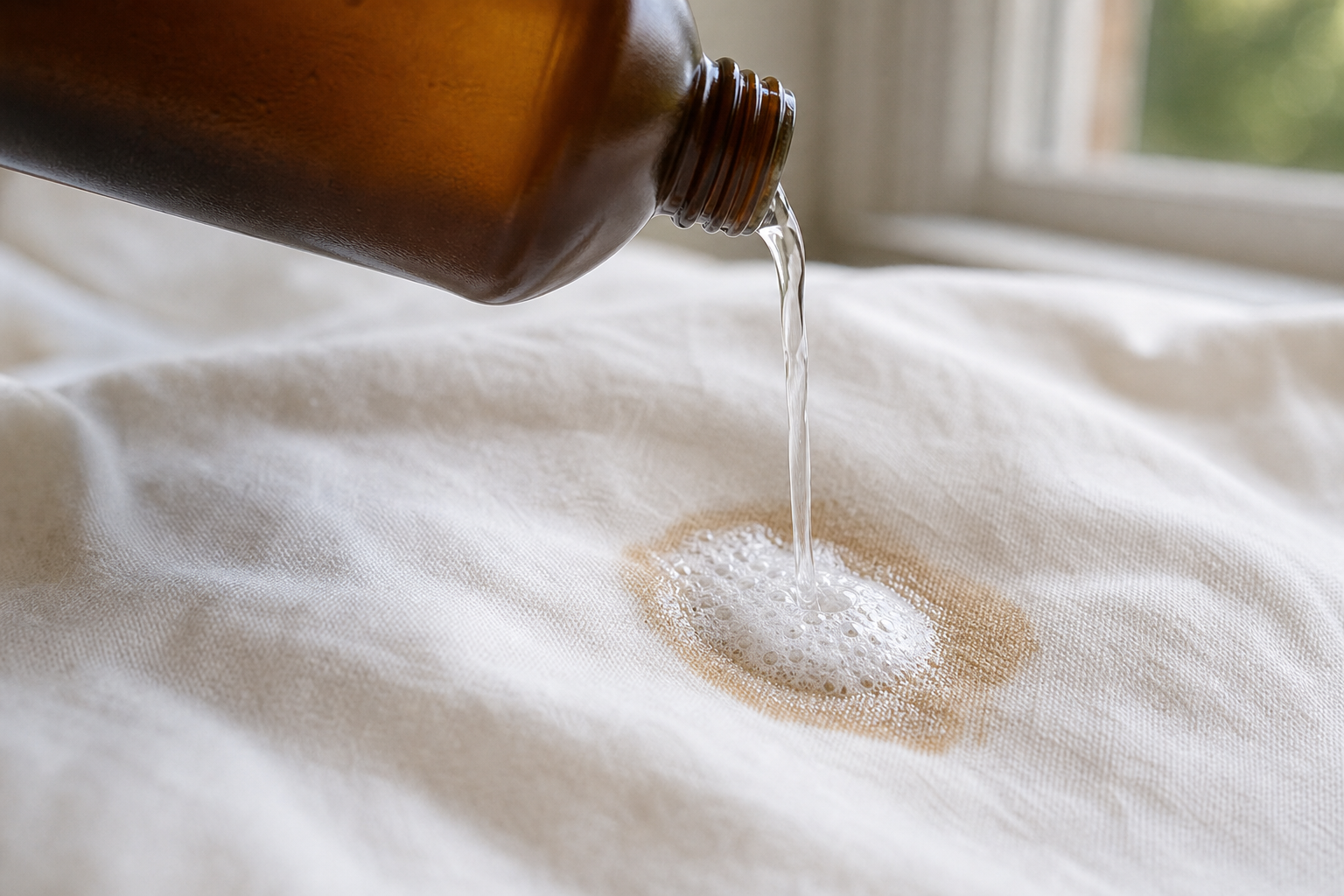
Hydrogen peroxide (H2O2) is essentially water with an extra oxygen molecule. When it contacts the catalase enzyme in blood, it releases that oxygen in a fizzing reaction. This mechanical action helps lift the hemoglobin away from the fabric fibers. It’s why you see that satisfying white foam the moment it touches the stain. For residents in neighborhoods like Buckhead or Old Fourth Ward, where fashion meets function, having this tool in your laundry room is essential.
Why Cold Water is Non-Negotiable
Before we dive into the peroxide, there is one golden rule: never use hot water on blood. Heat cooks the proteins in the blood, essentially "dyeing" the fabric permanently. Always start with the coldest water possible. In the height of an Atlanta summer, our tap water can actually run a bit warm, so don't be afraid to add a couple of ice cubes to your pre-soak basin to keep the temperature down.
Step-by-Step: How to Remove Blood Stains from Clothes Using Hydrogen Peroxide
Step 1: Blot, Don't Rub
As soon as the accident happens, take a clean white cloth or paper towel and blot the excess. If you're out at a restaurant in Inman Park, grab a napkin and dab. Never rub, as this pushes the blood deeper into the weave of the fabric.
Step 2: The Cold Flush
Turn the garment inside out and run cold water through the back of the stain. This pushes the blood out of the fibers rather than through the entire garment. If the stain is fresh, this step alone might remove 50% of the visible mark.
Step 3: Application of Hydrogen Peroxide
Apply a small amount of 3% hydrogen peroxide directly to the stained area. You can use a dropper or a cotton swab for precision. You’ll see it start to bubble immediately. Let it sit for about 5 to 10 minutes.
Step 4: Agitate and Rinse
Gently rub the fabric against itself or use a soft-bristled toothbrush to work the peroxide into the fibers. Rinse again with cold water. If the stain persists, repeat the process. For stubborn marks on white fabrics, you can leave the peroxide on a bit longer, but always keep an eye on it.
Step 5: Final Launder
Once the stain is invisible, wash the item as usual according to the care label. Do not put the item in the dryer until you are 100% certain the stain is gone. The high heat of a dryer will set any remaining blood permanently.
Handling Different Fabric Types in the South
Cotton and Synthetics
Most daily wear in Atlanta—think cotton tees and synthetic gym wear—handles hydrogen peroxide well. It’s effective on the red clay-mixed blood stains often found after a day at the ballpark. However, keep in mind that peroxide has mild bleaching properties. On dark or bright colors, always do a spot test on an inside seam first to ensure it doesn't lift the dye.
Delicate Silks and Wool
If you have a high-end silk blouse or a wool blazer from a boutique in Virginia-Highland, proceed with extreme caution. Hydrogen peroxide can weaken natural fibers like silk and wool over time. For these items, it’s often better to dilute the peroxide with equal parts water or consult a professional who understands premium cleaning services.
Common Mistakes to Avoid
- Using Concentrated Peroxide: Always use the 3% solution found in drugstores. Industrial-strength peroxide will eat a hole right through your clothes.
- Forgetting the Color Test: Because peroxide is a bleaching agent, it can leave a "ghost stain"—a light spot where the color used to be. Test first!
- Waiting Too Long: Blood is an organic stain. The longer it sits, especially in the Georgia heat and humidity, the more it bonds to the fabric.
- Using it on Large Areas: Peroxide is best for spot treatment. Don't soak an entire colored shirt in it, or you'll end up with a tie-dye effect you didn't ask for.
Expert Cleaning Tips for Atlanta Homeowners
- The Pollen Factor: During Atlanta’s notorious pollen season, your clothes are already coated in yellow dust. If you get a blood stain, rinse the pollen off first before applying peroxide, as the chemicals can react with organic matter and create a muddy mess.
- The Humidity Hack: Because Atlanta is so humid, damp clothes can develop mildew quickly. If you're pre-treating a stain, don't leave the wet garment at the bottom of a hamper. Either wash it immediately or hang it to air dry after the peroxide treatment.
- Lemon Juice Alternative: If you’re worried about the bleaching power of peroxide on a sunny day, some locals swear by a mixture of lemon juice and salt. However, for protein-based stains like blood, peroxide remains the scientifically superior choice.
When to Call in the Professionals
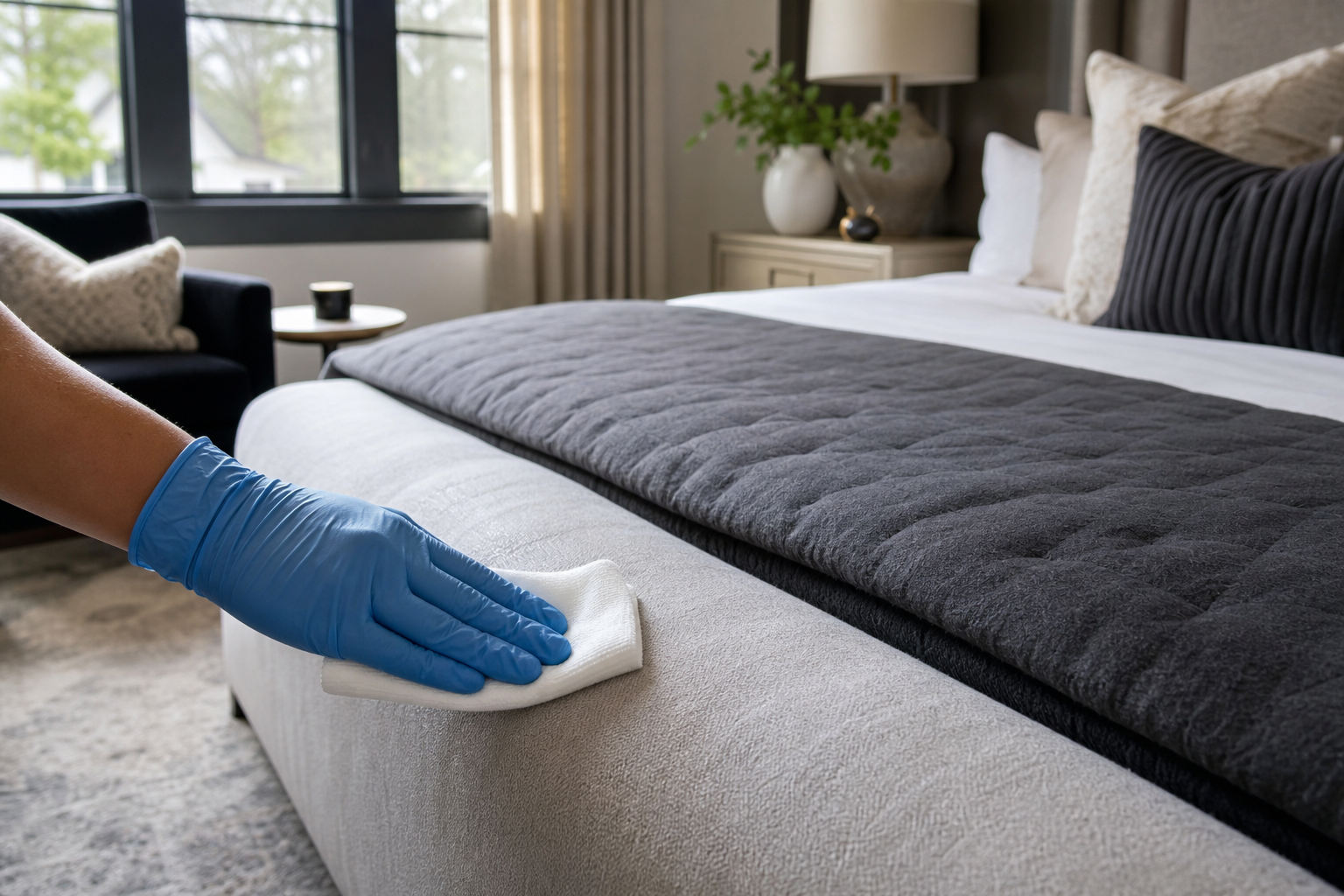
Sometimes, a laundry mishap is just the tip of the iceberg. If you find yourself overwhelmed with household chores, or if that blood stain is on an expensive area rug or upholstered headboard rather than a t-shirt, it’s time to call in the experts.
In the Metro Atlanta area, professional deep cleaning services typically range from $150 to $450 depending on the square footage and the level of detailing required. For many residents in high-traffic areas like Midtown or Sandy Springs, the peace of mind that comes with a professional touch is worth every penny. Whether it’s specialty fabric care or a full house reset, we handle the tough stuff so you can get back to enjoying your weekend at Ponce City Market.
Knowing how to remove blood stains from clothes using hydrogen peroxide is a vital skill, but you don't have to do everything yourself. If the stains are winning the battle, Fuego Fresh is here to bring the heat—and the clean—to your home.

Frequently Asked Questions
Q.Will hydrogen peroxide bleach my colored clothes?
It can. Hydrogen peroxide has mild bleaching properties, so it is safest for whites and light-colored fabrics. Always perform a 'spot test' on a hidden hem or inside seam before applying it to a visible area of a colored garment.
Q.Can I use hydrogen peroxide on old, set-in blood stains?
Yes, but it requires more patience. For old stains, you may need to re-saturate the area multiple times or create a paste using hydrogen peroxide and a little baking soda, letting it sit for 30 minutes before rinsing with cold water.
Q.How does Atlanta's humidity affect stain removal?
High humidity slows down the drying process, which can lead to musty odors if a wet, pre-treated garment is left in a laundry pile. In Atlanta, always ensure your clothes are either laundered immediately or hung in a well-ventilated area after treating a stain.
Q.Is it safe to use hydrogen peroxide on delicate fabrics like silk?
We generally advise against it. Silk and wool are protein-based fibers, and hydrogen peroxide can break them down, leading to thinning or holes. For luxury items from Atlanta's high-end boutiques, professional dry cleaning is the safest route.
Q.What should I do if the hydrogen peroxide doesn't stop fizzing?
The fizzing is the reaction with the organic matter in the blood. If it continues to fizz, it means there is still blood present in the fibers. Continue to rinse with cold water and re-apply until the bubbling stops, indicating the protein has been neutralized.
Ready for a Cleaner Home?
Get a free quote from Fuego Fresh Cleaning Services today. Background-checked, fully insured, ridiculously detail-focused.
Comments
Loading comments…