
How to Remove Coffee and Tea Stains from Fabric Without Bleach: An Atlanta Homeowner's Guide
Discover effective, bleach-free methods to lift stubborn coffee and tea tannins from your upholstery and rugs, ensuring your Atlanta home stays fresh and vibrant year-round.

How to Remove Coffee and Tea Stains from Fabric Without Bleach
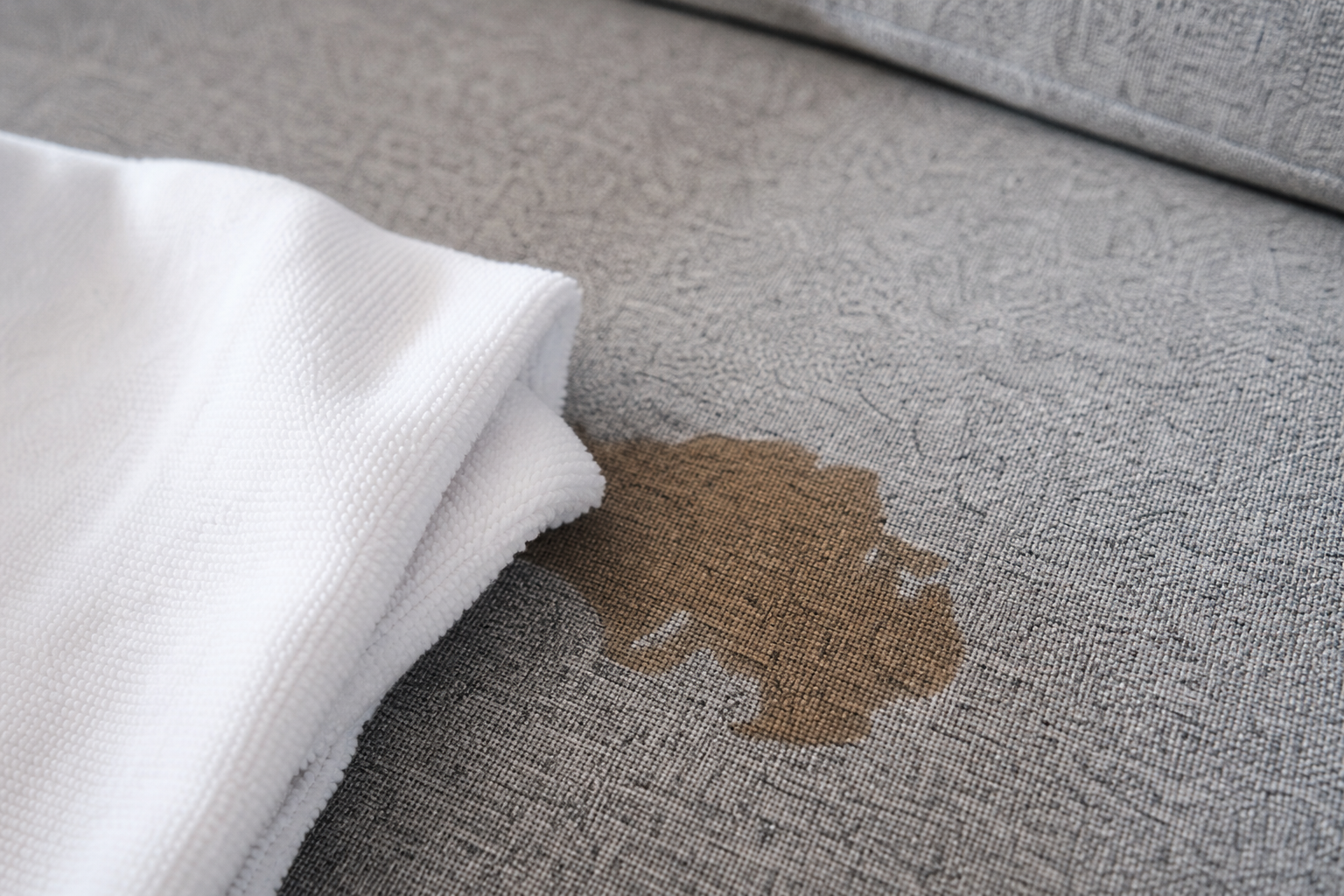
It’s a classic Atlanta morning. You’ve just picked up a hot latte from Dancing Goats in Ponce City Market, or perhaps you’re enjoying a quiet cup of Earl Grey while looking out over the tree canopy in Buckhead. Then, the unthinkable happens. A nudge from a playful pet or a momentary lapse in focus, and that dark, tannin-rich liquid is soaking into your cream-colored linen sofa or your favorite area rug.
If you are wondering how to remove coffee and tea stains from fabric without bleach, you aren't alone. In the humid Georgia climate, we often worry that moisture-based stains will set faster or attract mildew. However, reaching for the bleach is a mistake that can permanently ruin your delicate upholstery fibers. This guide provides professional-grade, safe alternatives to keep your home looking Fuego Fresh without the harsh chemicals.
Why Tannin Stains Are So Stubborn in Atlanta Homes
Coffee and tea contain tannins—naturally occurring vegetable dyes found in many plants. These are the same compounds used to dye leather. When they hit fabric, they don't just sit on the surface; they penetrate the fiber.
The Role of Humidity and Heat
In Metro Atlanta, our high humidity levels can actually complicate the drying process. If a stain is treated with too much water and left to air dry in a damp environment, you risk leaving a "brown ring" or tide mark, which is often harder to remove than the original spill.
Why Bleach Is Not the Answer
Bleach is an oxidizer that doesn't just remove color from the stain; it removes the pigment from the fabric itself. On natural fibers like cotton or wool—common in luxury Mid-town condos—bleach can weaken the structural integrity of the material, leading to holes or a yellowed, "burnt" appearance that no professional can fix.
The Immediate Action Plan: Blot, Don't Rub
Before you reach for any cleaning solution, the first 60 seconds are critical.
The Blotting Technique
Use a clean, white microfiber cloth or high-quality paper towels. Start from the outside of the spill and move inward. This prevents the coffee from spreading further into the dry fibers. Do not scrub. Scrubbing pushes the tannins deeper into the upholstery backing or the rug pad.
Dilution is Key
If the coffee was black (no sugar or cream), a small amount of cool, filtered water can help dilute the tannins. However, if you're dealing with a sugary chai latte from a local Decatur cafe, the sugar adds a sticky component that requires a surfactant to break down. Check our pricing guide if you feel the spill is too large to handle solo.
How to Remove Coffee and Tea Stains From Fabric Without Bleach: 3 Proven Methods
1. The Vinegar and Dish Soap Solution
This is the gold standard for home remedies. Acetic acid in white vinegar helps break down the tannin bonds, while a drop of clear dish soap lifts the oils.
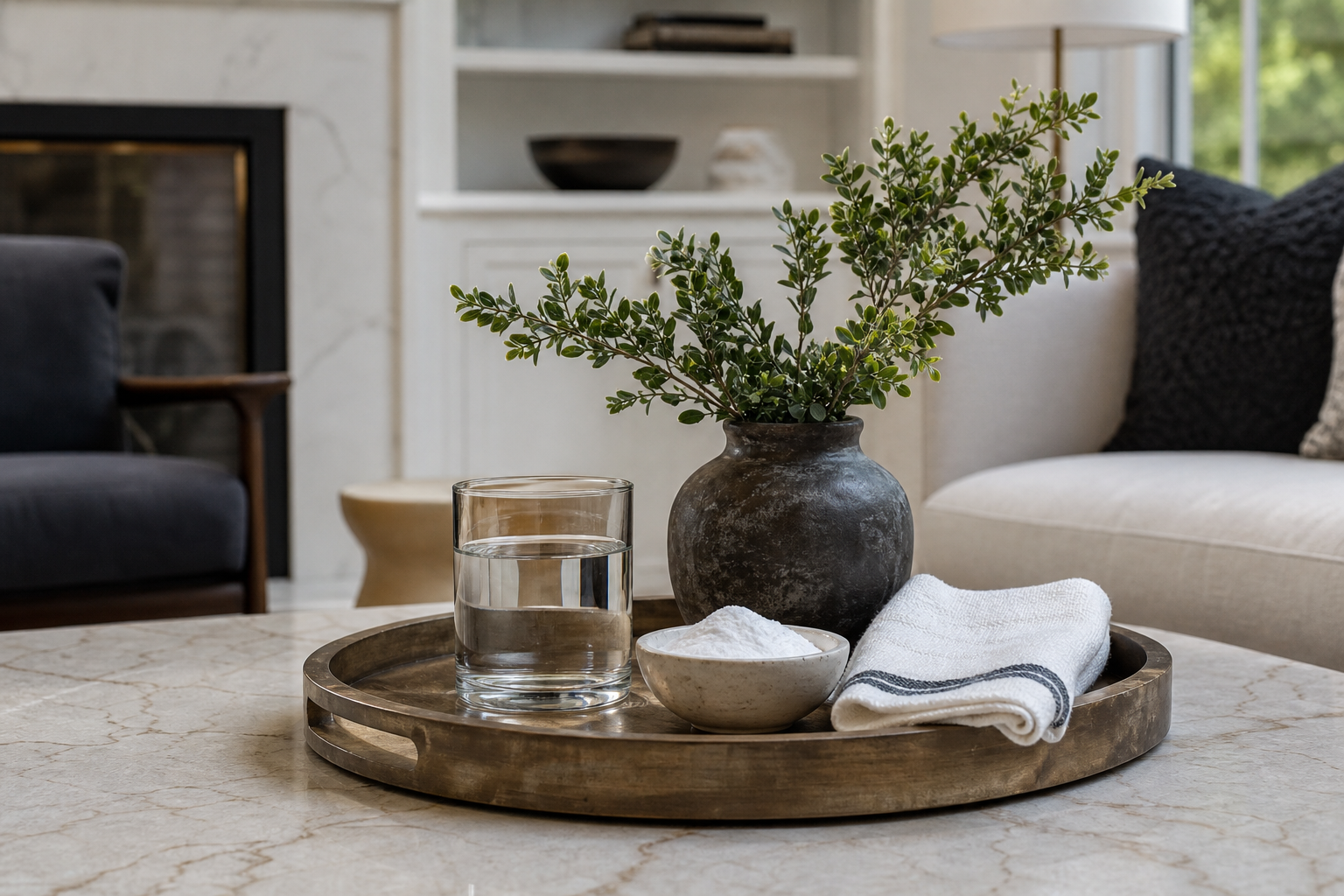
- Mix: 1 tablespoon of liquid dish soap, 1 tablespoon of white vinegar, and 2 cups of cool water.
- Apply: Use a sponge to gently dab the solution onto the stain.
- Wait: Let it sit for 5–10 minutes.
- Rinse: Blot with a damp cloth to remove soap residue.
2. Baking Soda Paste for Upholstery
For thicker fabrics found on sectional sofas in Alpharetta living rooms, baking soda acts as a gentle abrasive and absorbent.
- Make a paste with 3 parts baking soda to 1 part water.
- Apply to the stain and let it dry completely.
- Vacuum the residue away. The baking soda pulls the moisture and the pigment out of the fibers as it dries.
3. The Glycerin Method for Set-In Stains
If you discovered a tea stain that’s been sitting since the weekend, plain water won't cut it. Vegetable glycerin (available at most Atlanta pharmacies) can re-hydrate the stain.
- Apply glycerin to the spot and let it sit for 30 minutes.
- Rinse with cool water. This softens the dried tannins, making them easier to blot away.
Expert Cleaning Tips for Different Fabric Types
Not all fabrics in your Atlanta home are created equal. A velvet chair in a Virginia Highland bungalow requires a different touch than a synthetic rug in a Sandy Springs basement.
Natural Fibers (Wool, Silk, Linen)
These are highly absorbent. Avoid using hot water, as it can "set" the protein in milk or cream if your coffee had additives. Always pH-balance your cleaning; natural fibers prefer a slightly acidic environment, which is why the vinegar method works so well here.
Synthetic Fibers (Polyester, Nylon, Microfiber)
These are generally more resilient. You can use slightly more agitation, but be wary of heat. If you’re unsure of your fabric type, it's always best to consult our professional services before trying DIY chemicals.
Common Mistakes to Avoid
- Using Hot Water: Heat acts as a catalyst for tannins, bonding them permanently to the fiber.
- Over-Saturating: In Georgia, over-wetting fabric can lead to mold or mildew growth within 24-48 hours due to the ambient humidity.
- Using Colored Cloths: A red rag might bleed dye onto your tan sofa, creating a secondary, more difficult problem.
- Ignoring the Tag: Always check the cleaning code (W, S, WS, or X) before applying any liquid.
When to Call a Professional in Atlanta
Sometimes, a DIY approach isn't enough, especially for large spills or high-value furniture. If the stain persists after two attempts, stop. Continual wetting and drying can cause "browning" or permanent fiber distortion.
What Does Professional Cleaning Cost in Atlanta?
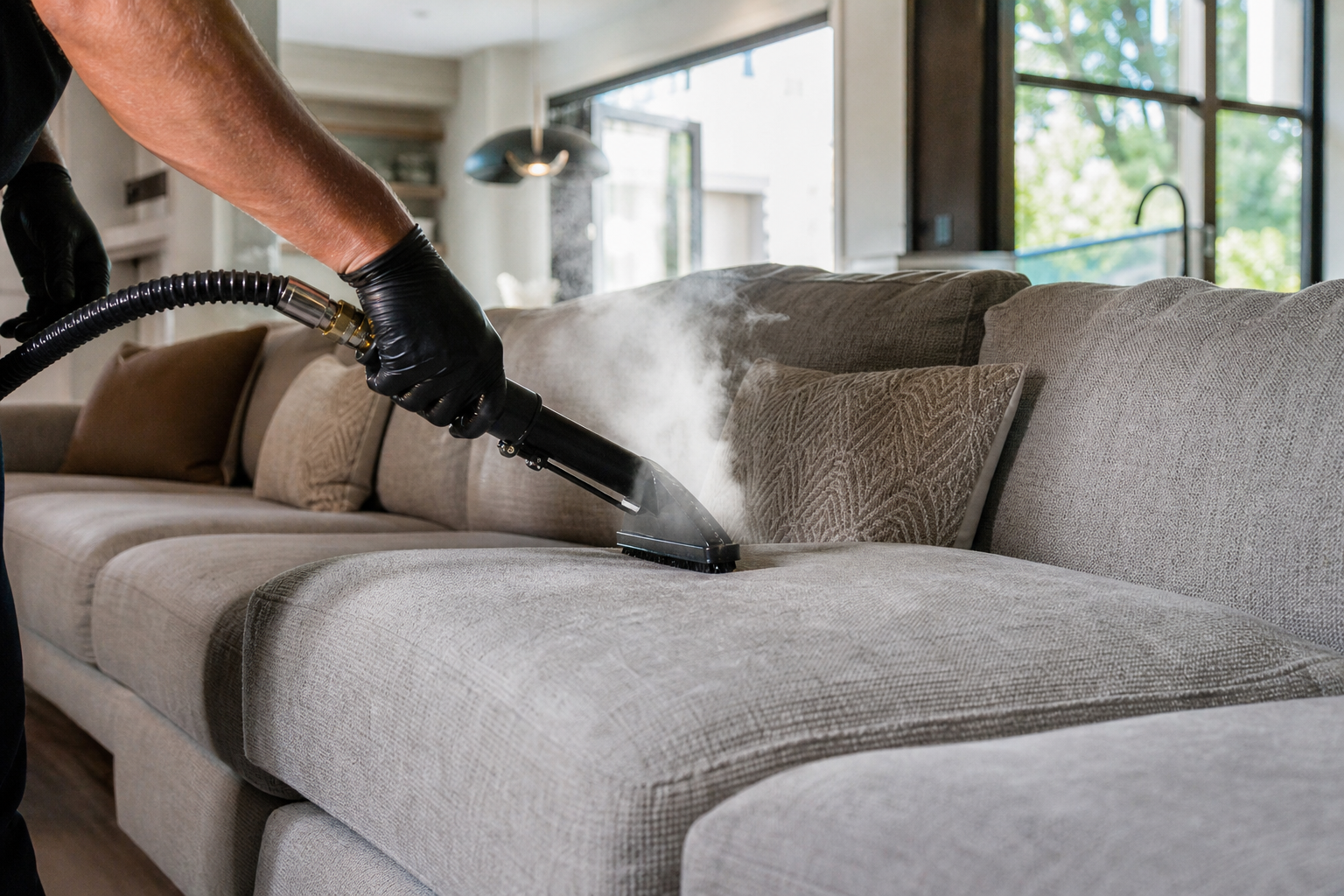
Professional stain removal and steam cleaning for residential properties in the Metro area typically range from $150 to $450, depending on the size of the item and the severity of the staining. Investing in a professional deep clean not only removes the visible spot but also extracts the hidden allergens and dust mites that thrive in our local climate.
For those who want their home to feel truly rejuvenated, our team at Fuego Fresh specializes in high-end care that respects your home's unique needs. Whether you're prepping for a weekend hosting friends near the Beltline or just doing your seasonal deep clean, we bring the heat to the dirt—not your fabrics.
Book your professional cleaning today and let us handle the stubborn stains while you enjoy your coffee (carefully) on the patio.
Frequently Asked Questions
Q.Will the humidity in Atlanta make my coffee stain worse?
Yes, high humidity can slow down the drying process of a treated stain. If the fabric stays damp for too long, it can lead to 'wicking,' where the stain travels from the backing to the surface, or even cause a musty odor. We recommend using a floor fan to speed up drying after you've blotted the area.
Q.Can I use club soda on a tea spill?
Club soda is a popular quick fix, but its effectiveness is mostly due to the carbonation helping to lift particles. It works best on fresh spills. However, for tea, which contains strong tannins, the vinegar and dish soap method is generally more effective at breaking the chemical bond between the dye and the fabric.
Q.What if my coffee had milk and sugar in it?
Milk and sugar add protein and carbohydrates to the stain, which can become sticky and attract bacteria. You must use a cleaning solution with a surfactant (like clear dish soap) to break down the fats in the milk. Avoid hot water, as it can 'cook' the milk proteins into the fabric fibers.
Q.Is it safe to use hydrogen peroxide on my sofa?
Hydrogen peroxide is a mild bleach alternative, but it can still cause color loss on dark or sensitive fabrics. In Atlanta's sunny homes, UV rays can accelerate this bleaching effect. Always perform a spot test in an inconspicuous area, like the back of a cushion, before applying it to the center of the stain.
Q.When should I give up on DIY and call Fuego Fresh?
If the stain remains visible after two cleaning attempts, or if the fabric starts to feel stiff or crunchy, it's time to call in the pros. Over-treating can damage the fabric's texture. Professional extraction tools can remove the deep-set tannins that household sponges simply can't reach.
Ready for a Cleaner Home?
Get a free quote from Fuego Fresh Cleaning Services today. Background-checked, fully insured, ridiculously detail-focused.
Comments
Loading comments…