
The Ultimate Guide: How to Remove Dye Transfer Stains From White Clothes Using Acne Cream
Discover the surprising chemical secret to saving your favorite white garments from color bleeds using a common bathroom staple and the power of the Georgia sun.

The Ultimate Guide: How to Remove Dye Transfer Stains From White Clothes Using Acne Cream
It’s a classic Atlanta Sunday: you’ve just returned from a humid walk along the Beltline or a shopping trip at Ponce City Market, and you throw a load of laundry in before settling down. Disaster strikes when you realize your favorite white linen shirt was washed with a brand-new pair of dark indigo jeans. Suddenly, your crisp whites are a muddy shade of blue-gray. You’re likely wondering how to remove dye transfer stains from white clothes using acne cream, a secret weapon that many professional cleaners and savvy Buckhead homeowners keep in their back pocket.
At Fuego Fresh Cleaning, we see these textile tragedies all the time. Whether it’s a red sock that ruined a white duvet or dye migration from a high-end designer piece, the solution might be sitting in your medicine cabinet. This guide will walk you through the science, the steps, and the local nuances of saving your wardrobe.
The Science of Benzoyl Peroxide and Fabric Care
Why Acne Cream Works on Dye
To understand why we use acne cream, we have to look at the active ingredient: Benzoyl Peroxide. This chemical is a powerful oxidizing agent. In the skincare world, it kills bacteria; in the laundry world, it breaks down organic and synthetic pigments. When applied to a white fabric that has absorbed stray dye, the benzoyl peroxide works to decolorize the "invading" pigment without damaging the base white fibers of the cotton or linen.
Why This Method Is Strictly for Whites
Let’s be clear: this is a rescue mission for white clothes only. If you try to remove a stain from a navy blue shirt using acne cream, you will end up with a permanent white bleach spot. Because benzoyl peroxide doesn't discriminate between a "stain" and the original fabric color, it should only be used on garments where the desired color is no color at all.
Step-by-Step: How to Remove Dye Transfer Stains From White Clothes Using Acne Cream
Step 1: Selection and Preparation
You need a 10% Benzoyl Peroxide cream. Lower concentrations (like 2.5% or 5%) might work, but they take significantly longer. Avoid "wash" versions; you want a thick cream or gel that will stay exactly where you put it. Before you start, ensure the garment is clean and slightly damp. If you've already dried the item in a hot dryer at your home in Virginia Highland, the stain is "set," and you may need to repeat this process twice.
Step 2: The Application Process
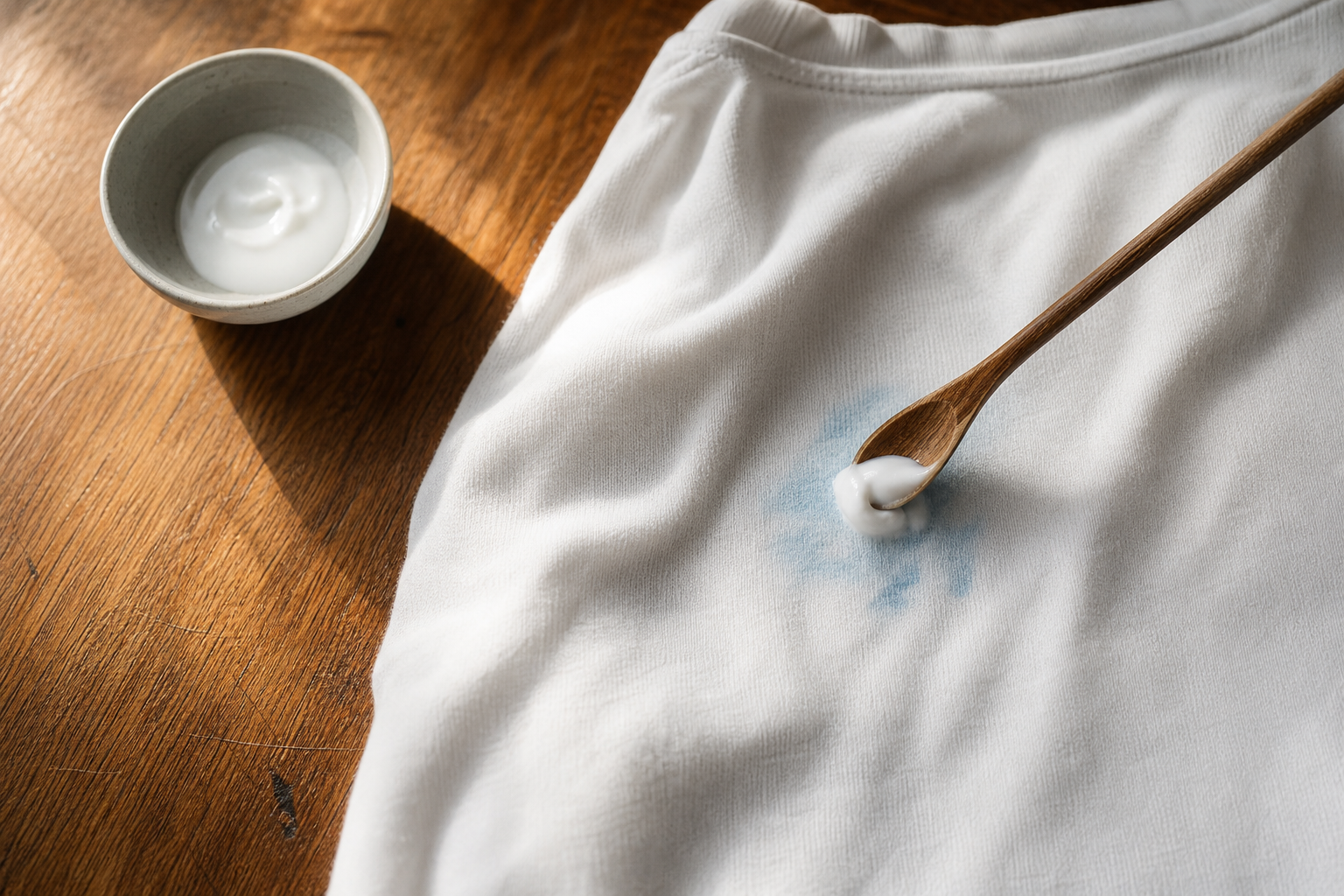
Lay the garment flat on a white towel. Apply a generous layer of the acne cream directly onto the dye transfer. Do not rub it in aggressively; instead, pat it so it saturates the fibers. Think of it like icing a cake. You want the cream to be thick enough that you can't see the fabric through it.
Step 3: Heat and UV Activation
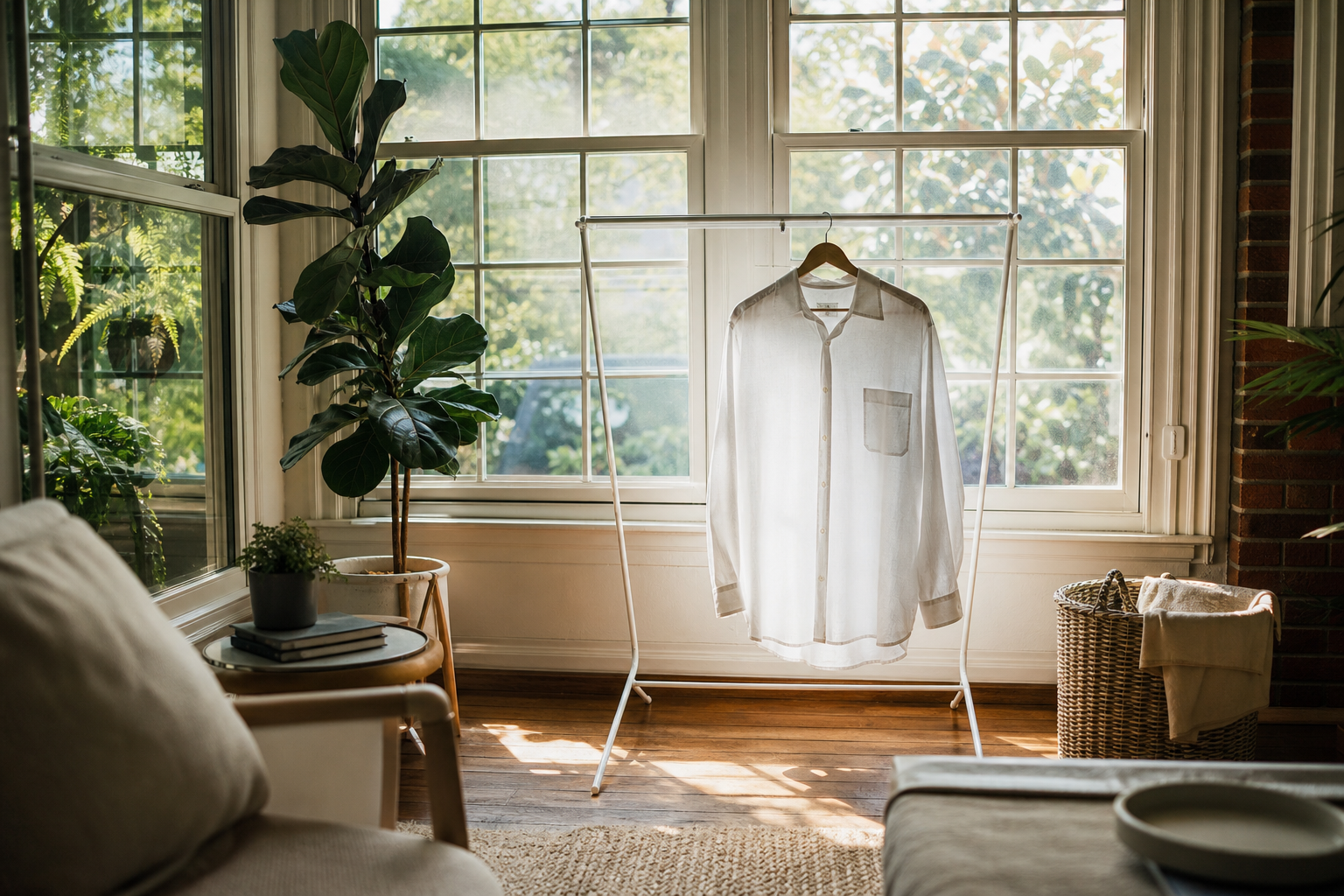
Here is where being in Atlanta is an advantage. The chemical reaction of Benzoyl Peroxide is accelerated by heat and UV light. Wrap the treated area in plastic wrap (to keep the cream from drying out too fast) and place it in a sunny spot. A window sill in a sun-drenched Midtown condo or a deck in Inman Park works perfectly. Leave it for 4 to 8 hours. If it’s one of those overcast, humid Georgia afternoons, you can use a hair dryer on a medium setting for 15 minutes to kickstart the reaction.
Step 4: The Final Rinse
Once the dye appears to have vanished, scrape off the excess cream. Rinse the area thoroughly with cold water. Follow up by laundering the item as usual with a high-quality detergent. Check the spot before putting it in the dryer. If a ghost of the stain remains, repeat the process.
Expert Cleaning Tips for Atlanta Homeowners
- Check Your Water Hardness: Atlanta water is generally soft, but older plumbing in Cabbagetown or Grant Park can introduce minerals that interfere with cleaning agents. Always use filtered or distilled water for the final rinse if you notice yellowing.
- The Sun is Your Friend: The Georgia sun is powerful. If you are treating a large area, laying the garment out on a clean surface in direct sunlight can act as a natural bleach, enhancing the acne cream's effectiveness.
- Test a Hidden Seam: Even though we are working on whites, some "white" fabrics have optical brighteners or synthetic blends that might react strangely. Test a small spot on an inside hem first.
- Pollen Considerations: If you are sun-drying your treated clothes during Atlanta’s infamous March-April pollen season, be careful. Yellow pine pollen can settle into the wet cream and create a whole new staining problem. It is best to do this indoors near a sunny window during peak pollen counts.
Common Mistakes to Avoid
- Using Tinted Acne Cream: Never use a skin-toned acne medication. Use only the white, untinted creams. The pigments in tinted creams can permanently stain your white clothes.
- Impatience: Dye transfer is a molecular bond. It takes time for the oxidizer to break that bond. Rushing the process by washing the cream off after 30 minutes will yield zero results.
- Mixing Chemicals: Do not mix this method with chlorine bleach or ammonia. Combining laundry chemicals can create toxic fumes, which is the last thing you want in a closed laundry room.
- Treating Delicate Silks: Benzoyl peroxide is harsh. While it is great for cotton tees, denim, and sturdy linens, it can eat through delicate silk or fine lace. For those items, professional intervention is mandatory.
When to Hire a Professional for Textile and Home Care
Sometimes, a DIY hack isn't enough, especially if the dye transfer has affected large-scale items like white slipcovers, heavy cotton drapes, or luxury bedding. If you’ve spent thousands on your interior aesthetic, experimenting with drugstore creams can feel risky.
In the Metro Atlanta area, professional deep cleaning services offer the peace of mind that comes with experience. For residential cleaning that treats your home like a sanctuary, you can check our pricing to see how we handle high-end environments. A professional crew doesn't just clean surfaces; they understand the chemistry of a home.
For a standard 3-bedroom home in neighborhoods like Sandy Springs or Decatur, professional deep cleaning services typically range from $150 to $450, depending on the level of detail and specific textile care required. When the stain is too big or the stakes are too high, bringing in the pros at Fuego Fresh ensures that your home—and your wardrobe—remains pristine.
Conclusion
Knowing how to remove dye transfer stains from white clothes using acne cream is a powerful tool for any homeowner. It’s a cost-effective, accessible way to save garments that would otherwise end up in the rag bin. By utilizing the heat of the South and a bit of patience, you can restore your whites to their former glory. However, for those times when your home needs a complete refresh beyond the laundry room, don’t hesitate to reach out to the experts who know Atlanta homes best.
Frequently Asked Questions
Q.Can I use this method on a white shirt with a colored logo?
No, you should avoid using acne cream near any colored embroidery or printed logos. The benzoyl peroxide will likely bleach the color out of the logo as well as the stain. Keep the application strictly to the white areas of the fabric.
Q.How long should I leave the acne cream on the stain in Atlanta's humidity?
Humidity can actually help by preventing the cream from drying out too quickly, which keeps the chemical reaction active. Generally, 4 to 12 hours is recommended. If it is very humid, ensure the garment is in a well-ventilated but sunny spot to maximize the UV activation.
Q.Will this work on stains that have already been through the dryer?
It is much harder to remove stains that have been 'set' by the high heat of a dryer, but it is not impossible. You may need to apply the acne cream treatment two or three times, ensuring you use a hair dryer or direct sunlight to provide extra heat during the process.
Q.Is there a specific brand of acne cream that works best for laundry?
Brand doesn't matter as much as the concentration of the active ingredient. Look for any generic or name-brand 'Maximum Strength' cream that contains 10% Benzoyl Peroxide. Ensure it is a white cream or gel, not a tinted formula or a liquid wash.
Q.What if the stain is on a white wool rug in my living room?
Wool is a protein fiber and is much more sensitive than cotton. We do not recommend using acne cream on wool or silk rugs. For high-end flooring and upholstery in Atlanta, it is safer to book a professional cleaning service to avoid damaging the delicate fibers.
Ready for a Cleaner Home?
Get a free quote from Fuego Fresh Cleaning today. Background-checked, fully insured, ridiculously detail-focused.
Comments
Loading comments…