Invisible Stains: How to Remove Them Before They Set Permanently
Discover the hidden science behind clear spills that turn into permanent eyesores and learn the professional secrets to eliminating them from your Atlanta residence.

How to Remove Invisible Stains Before They Set: The Ultimate Guide for Atlanta Homeowners
We have all been there. You are hosting a Friday night dinner in Buckhead, the wine is flowing, and someone accidentally tips a glass of White Zinfandel or clear soda onto your cream-colored sofa. You dab it with a napkin, breathe a sigh of relief because it looks like nothing happened, and go back to the conversation. Fast forward three months to the peak of Georgia’s humid summer, and suddenly, a nasty, yellow-brown ring has materialized exactly where that spill occurred. This is the phenomenon of the hidden spill, and knowing how to remove invisible stains before they set is the difference between a pristine home and a ruined investment.
In this guide, we will dive deep into why these ghosts appear, the chemistry of Atlanta’s unique environmental factors, and the exact steps you need to take to ensure your fabrics stay flawless.
The Science of the Ghost Stain: Why Clear Spills Turn Dark
Most people assume that if they can’t see a stain, it isn’t there. This is a dangerous misconception. Many liquids—specifically white wine, clear sodas, sprite, and even perspiration—contain sugars and proteins that are colorless when wet. However, as they sit in the fibers of your carpet or upholstery, they undergo a process called oxidation.
Oxidation and Sugar Caramelization
Think of a sliced apple sitting on your kitchen counter in Virginia-Highland. Within minutes, it turns brown. The same thing happens to the sugars in a spilled drink. When exposed to oxygen and the sweltering Atlanta heat, those clear sugars "caramelize," turning into a permanent yellow or brown discoloration. Once this chemical change occurs, the stain is no longer just sitting on the fiber; it has become part of it.
The Role of Humidity and Pollen
In neighborhoods like Old Fourth Ward or Inman Park, we deal with high indoor humidity and the infamous "Yellow Blur" of pollen season. High humidity accelerates the oxidation process, while microscopic pollen particles and household dust cling to the sticky residue of an invisible spill. What started as a clear splash of tonic water becomes a dark, gritty patch because it is essentially acting as a magnet for every airborne particle in your home.
Step-by-Step: How to Remove Invisible Stains Before They Set
The key to victory is immediate action, even when the surface looks clean. You cannot wait for the mark to appear; you must treat the "ghost" while it is still invisible.
1. Blot, Never Scrub
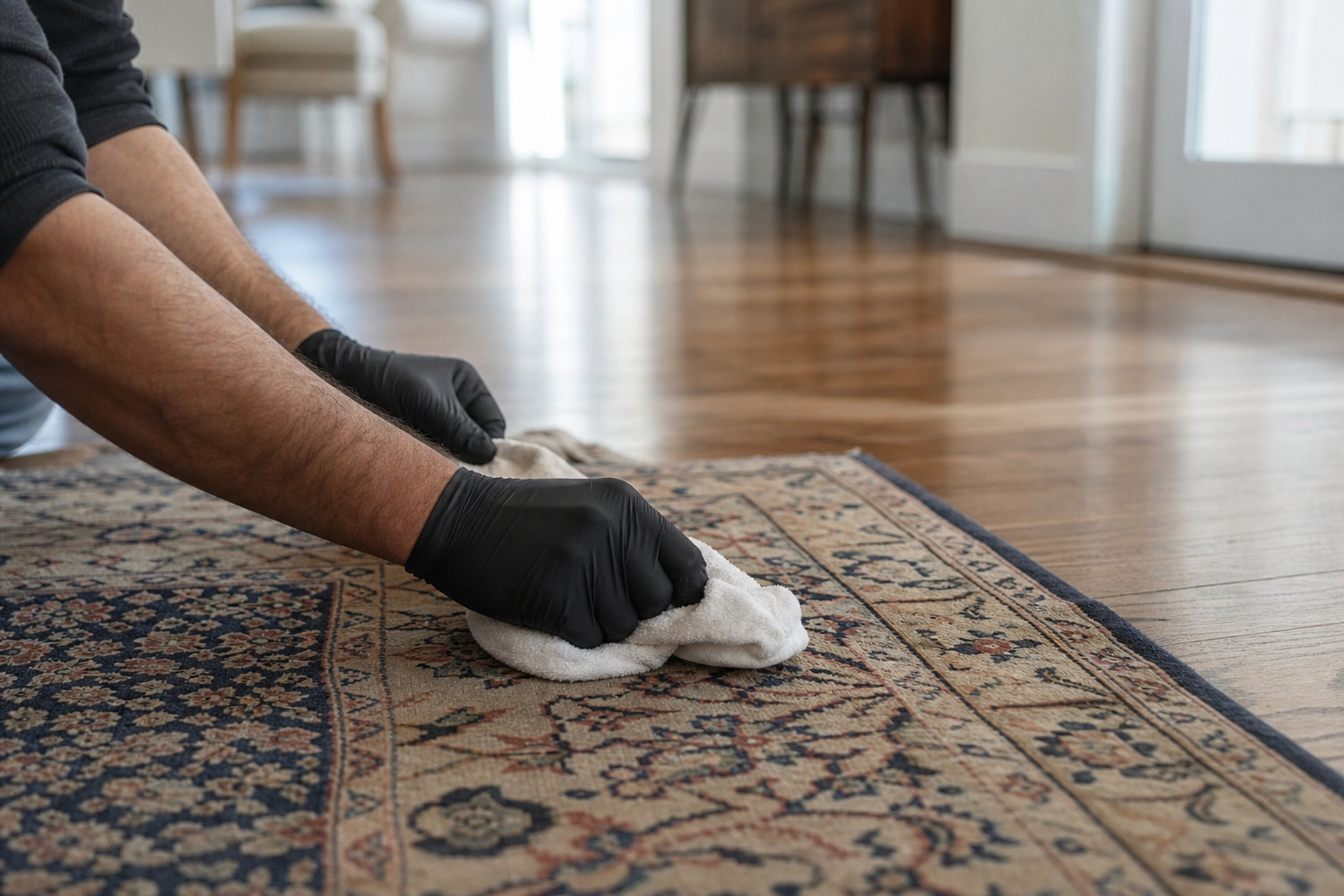
If you suspect a spill has occurred, use a white cotton towel or a high-quality paper towel to blot the area. Never scrub. Scrubbing in a circular motion pushes the liquid deeper into the padding of your carpet or the foam of your upholstery, making it nearly impossible to fully extract later. Apply firm, downward pressure to pull as much moisture out as possible.
2. The Luke-Warm Water Flush
For most clear spills, a simple flush is the first line of defense. Use a spray bottle to mist the area with lukewarm distilled water. Do not oversaturate, especially if you have delicate wool rugs common in Morningside estates. Blot again with a dry towel. The goal is to dilute the sugars so they cannot concentrate and oxidize.
3. Apply an Enzyme-Based Cleaner
If the spill involved protein (like milk or sweat) or complex sugars, a standard soap won't cut it. You need an enzymatic cleaner. These solutions contain "good" bacteria that literally eat the organic matter before it can turn brown. This is a crucial step in our professional services when we handle high-traffic residential areas.
Identifying the Hidden Culprits in Your Home
Not all invisible stains come from a knocked-over glass. Some are slow-burn issues that accumulate over time, particularly in the unique Metro Atlanta climate.
Body Oils and Perspiration
Atlanta summers are brutal. Even with the AC cranking, we all track in sweat and oils. These collect on headrests, armrests, and the edges of mattresses. Initially invisible, these oils eventually turn into a dingy grey or yellow "pathway" on your furniture. If you notice a faint odor or a slight change in the texture of the fabric (it feels stiffer than usual), you likely have an invisible oil buildup.
Alkaline Residue from DIY Cleaning
Ironically, trying to clean your own floors can cause invisible stains. If you use too much detergent while mopping your Midtown condo’s hardwood or tile, a thin, sticky film is left behind. You won't see it until it starts trapping dirt, creating those unsightly black streaks in your grout or wood grain. Always use a pH-neutral cleaner to avoid this buildup.
Expert Cleaning Tips for Pre-Emptive Care
- The Blacklight Test: Professional cleaners often use UV lights to spot biological residues (like pet accidents or protein spills) that aren't visible to the naked eye. You can buy a basic UV flashlight to scan your rugs periodically.
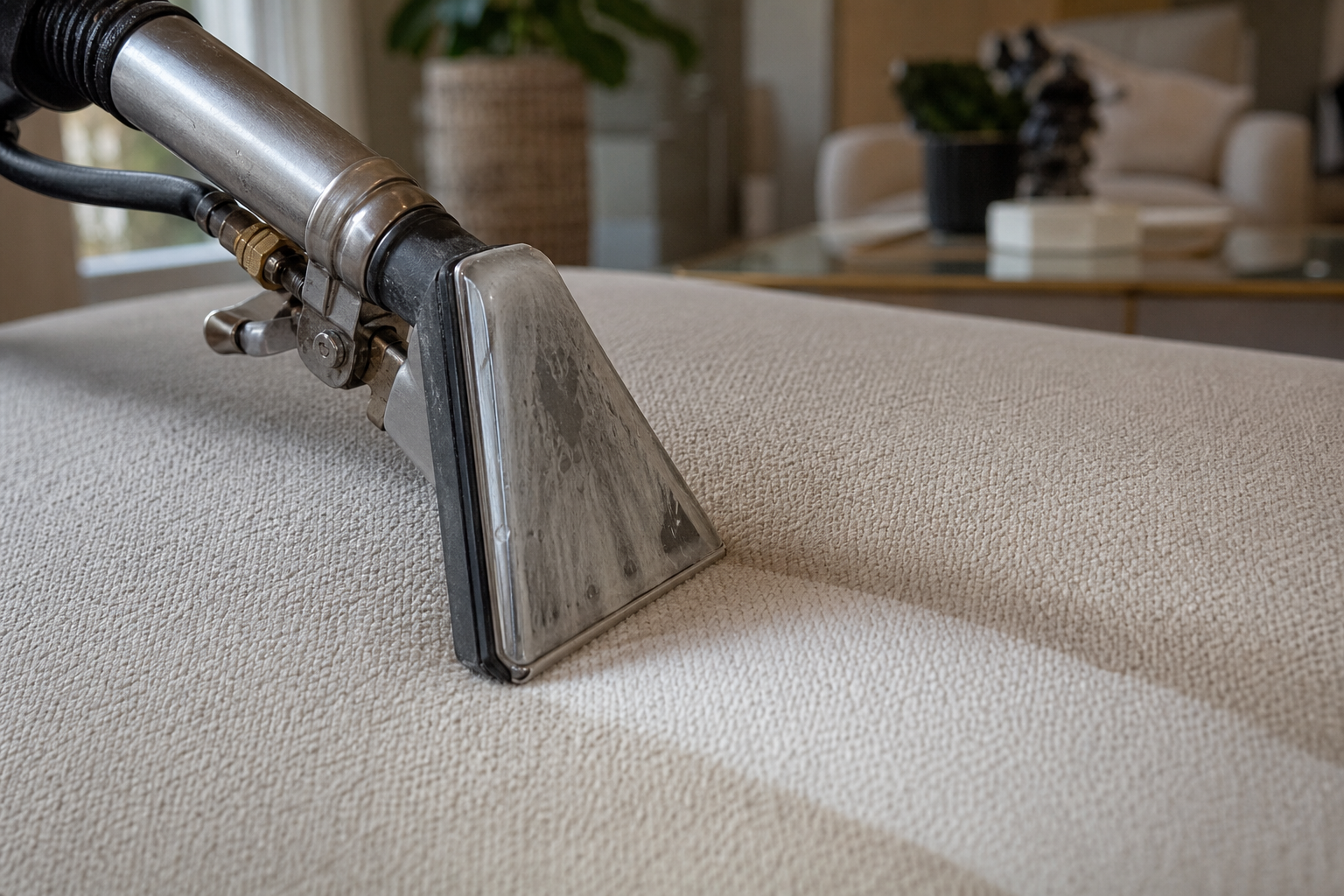
- Regular Steam Rinsing: Even if your carpets look "fine," a professional hot water extraction every 6 to 12 months removes the invisible sugar and oil buildup before it has a chance to oxidize.
- Check the "Hidden" Areas: When cleaning, don't forget the areas behind the curtains or under the sofa cushions where spills might have migrated unseen.
Common Mistakes to Avoid
- Using Hot Water on Protein: Never use hot water on milk, blood, or sweat. Heat "cooks" the protein into the fiber, setting the stain permanently.
- Over-wetting Upholstery: If you soak a velvet or silk chair, you risk water-staining or browning (cellulosic browning), which is often harder to remove than the original spill.
- Ignoring the "Clear" Spills: The biggest mistake is thinking "it's just water" or "it's just Sprite." If it has sugar or minerals, it will eventually show up.
When to Call the Professionals
Sometimes, despite your best efforts, the oxidation process wins. If you see a yellow ring that won't budge with light blotting, or if you are dealing with high-end fabrics that require specialized care, it is time to call in the experts.
At Fuego Fresh, we understand the specific challenges of Atlanta homes—from the red clay tracked in from the backyard to the humidity-driven oxidation of fine upholstery. For a standard deep cleaning of a living area or a set of rugs, you can expect Atlanta pricing to range between $150 and $450 depending on the square footage and the delicacy of the materials. Investing in a professional booking ensures that these invisible threats are extracted using commercial-grade suction and pH-balanced chemistry, protecting your home’s value and beauty for years to come.
Frequently Asked Questions
Q.Why did a yellow stain appear on my carpet months after a clear spill?
This is caused by the oxidation of sugars or proteins found in drinks like white wine or soda. Over time, exposure to oxygen and heat causes these clear residues to caramelize and turn brown or yellow, becoming visible only after they have set into the fibers.
Q.How can I tell if there is an invisible stain on my furniture?
You can often identify hidden spills by a change in the fabric's texture—it may feel slightly stiff or sticky compared to the surrounding area. Alternatively, using a UV blacklight in a dark room can help reveal biological residues or chemical spills that aren't visible under normal lighting.
Q.Does Atlanta humidity affect how stains set in my home?
Yes, high humidity in the Metro Atlanta area can accelerate the oxidation process and encourage the growth of bacteria in organic spills. Moisture in the air also makes sticky residues more likely to attract airborne dust and pollen, turning an invisible spill into a dark smudge faster.
Q.Can I use vinegar to remove invisible stains?
Vinegar can be helpful for neutralizing some odors, but it is acidic and may not effectively break down complex sugars or oils. For invisible spills, it is better to use distilled water for flushing or a dedicated enzyme cleaner to ensure the organic matter is fully decomposed.
Q.How much does it cost to have professional stain extraction in Atlanta?
Professional deep cleaning and stain removal typically range from $150 to $450 for residential spaces in neighborhoods like Buckhead or Brookhaven. The price varies based on the size of the area, the type of fabric (such as wool vs. synthetic), and the severity of the oxidized stains.
Ready for a Cleaner Home?
Get a free quote from Fuego Fresh Cleaning today. Background-checked, fully insured, ridiculously detail-focused.
Comments
Loading comments…