
How to Remove Red Wine Stains with White Wine: An Atlanta Homeowner's Guide
Discover whether the white wine hack actually works on red wine spills or if you are just making a mess in your Buckhead bungalow, plus pro tips for deep stain removal.

The Red Wine Emergency: Does the White Wine Trick Actually Work?
You were having a lovely Saturday night in Virginia-Highland, perhaps enjoying a full-bodied Cabernet while the humid Georgia air cooled down on your patio. Then, it happens. A stray gesture, a bumped table, and suddenly your cream-colored sofa or that pristine rug looks like a crime scene. In the frantic search for a solution, you’ve likely heard the old wives' tale: just pour white wine on it.
If you are currently staring at a purple puddle wondering how to remove red wine stains with white wine, take a deep breath. While the internet treats this like a magic wand, the reality in a high-humidity environment like Atlanta is a bit more nuanced. This guide will walk you through the science, the steps, and the harsh truths about using alcohol to fight alcohol, ensuring your luxury interiors stay as fresh as a morning walk on the Beltline.
The Science Behind the White Wine Method
Why White Wine for Red Stains?
It sounds counterintuitive—adding more liquid to a mess—but there is a logic to it. Red wine gets its deep, stubborn color from chromogens, specifically anthocyanins. These are the same pigments found in berries. White wine contains an enzyme that helps neutralize these pigments, effectively diluting the color and preventing the red tannins from binding as quickly to the fibers of your carpet or upholstery.
Limitations in the Atlanta Climate
Here in the A, we deal with intense humidity. When you spill liquid on a porous surface in a humid environment, the fibers swell, trapping the pigment faster. Using white wine is essentially a "neutralization by dilution" strategy. It doesn't magically erase the stain; it just keeps the red wine in a liquid state longer so you can blot it up before it sets. If you live in a drafty historic home in Inman Park, the airflow might help, but in a tightly sealed modern condo in Midtown, the moisture can linger, leading to potential mildew if not handled correctly.
Step-by-Step: How to Remove Red Wine Stains with White Wine
Phase 1: The Immediate Response
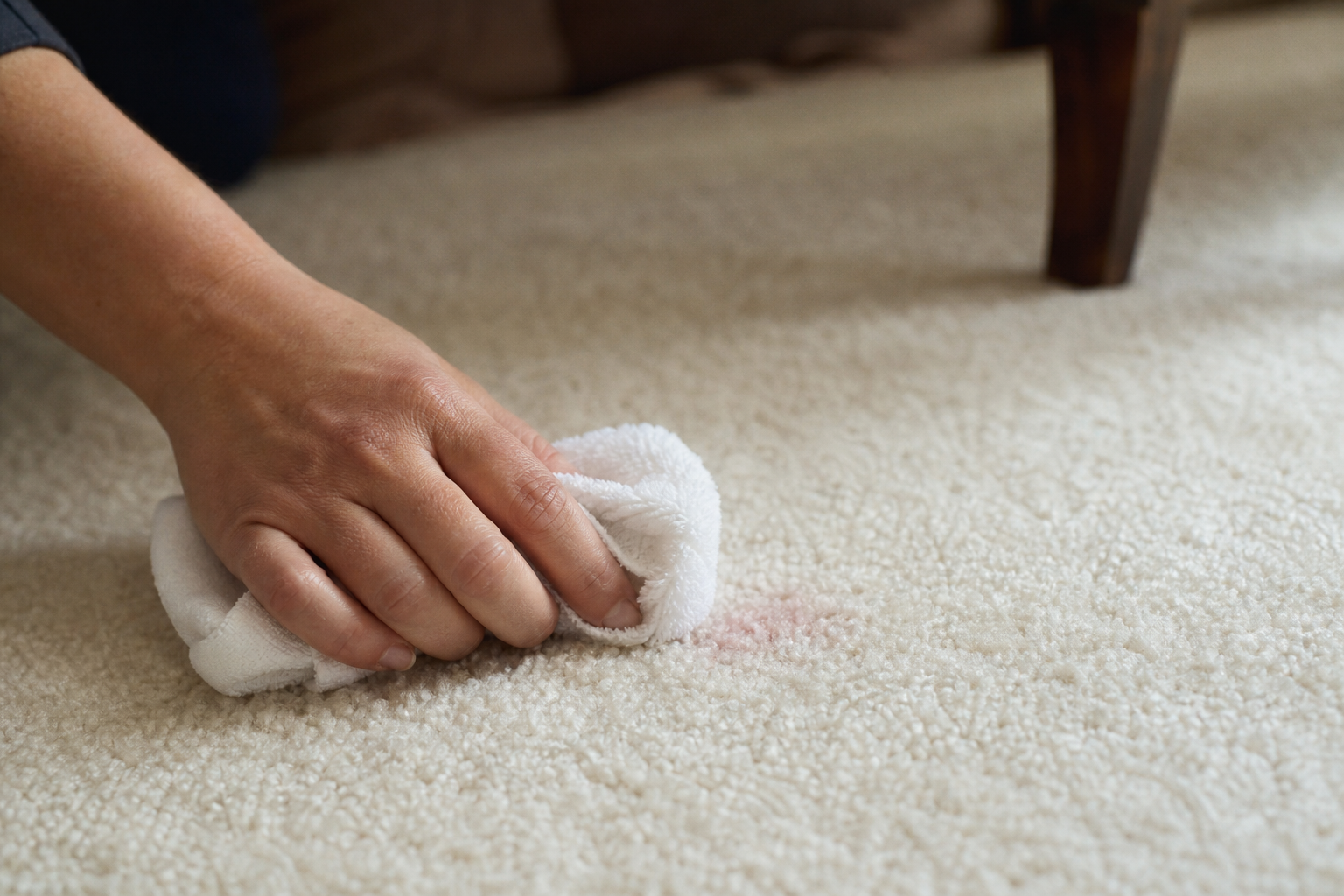
Speed is your best friend. The moment the spill occurs, do not rub. Rubbing pushes the red pigment deeper into the sub-flooring or the foam of your sofa. Grab a clean, white microfiber cloth or heavy-duty paper towels. Blot firmly to pull up as much of the Cabernet or Merlot as possible.
Phase 2: The White Wine Application
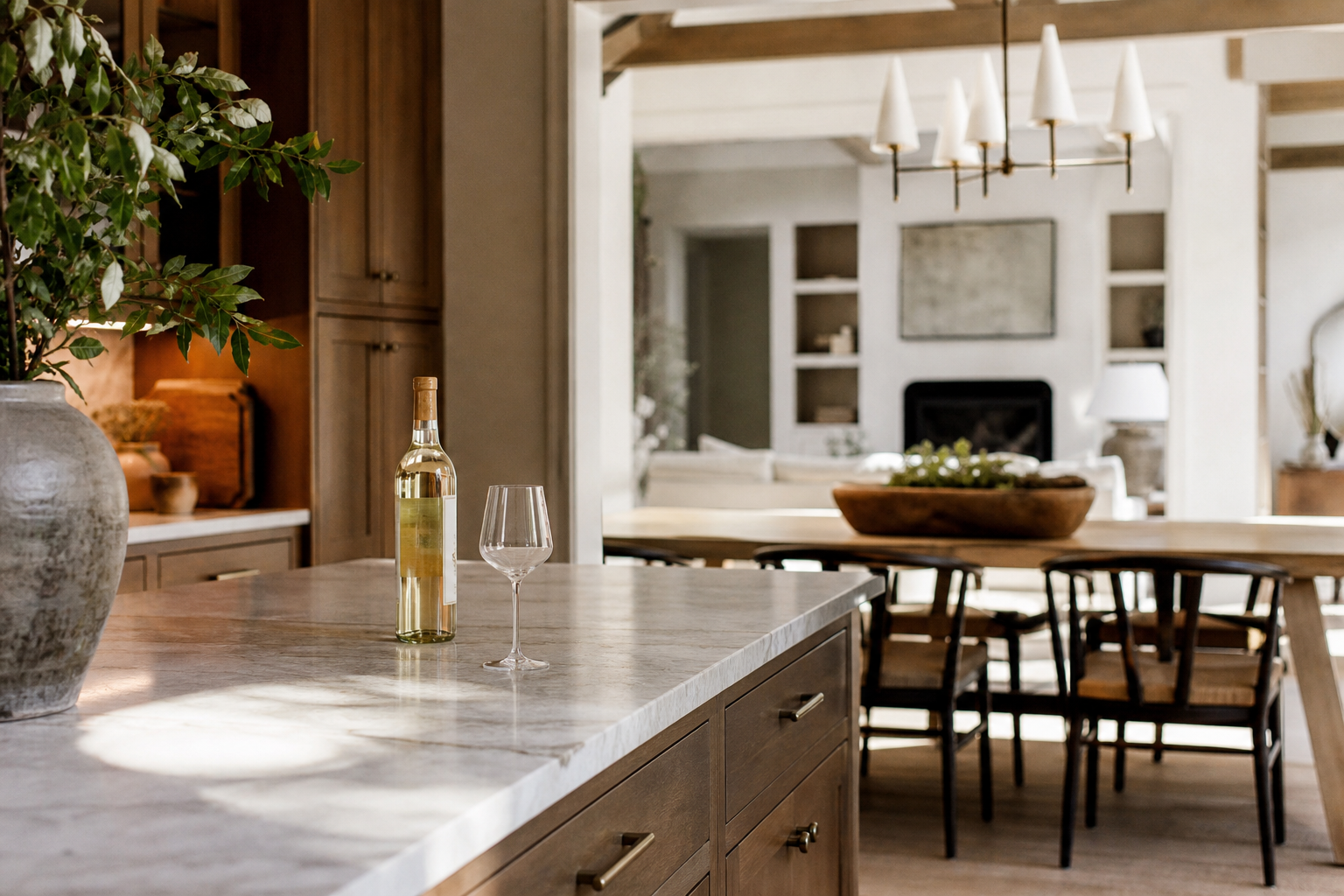
Once you have blotted the excess, pour a small amount of clear white wine (Pinot Grigio or Sauvignon Blanc work best—avoid anything sugary like a Riesling) over the stain. You aren't trying to soak the floor; you just want to dampen the red area. The white wine acts as a solvent. Let it sit for no more than 60 seconds. You’ll notice the dark purple start to shift toward a pale pink.
Phase 3: The Second Blotting
Use a fresh, dry section of your cloth to blot the mixture. You should see the red color transferring onto the white cloth. Continue this process—dampening with white wine and blotting—until no more color pulls up. If you are worried about the cost of maintaining these surfaces, checking our pricing for professional deep cleans can give you peace of mind for the long term.
Beyond the Wine: The Salt and Baking Soda Finish
Absorbing the Residue
After you have used the white wine to lift the pigment, you are left with a very wet, slightly alcoholic patch of carpet. This is where the real cleaning happens. Cover the damp area with a thick layer of table salt or baking soda. These powders are hygroscopic, meaning they will pull the liquid (and the remaining pigment) out of the fibers as they dry.
The Waiting Game
In Atlanta’s humidity, this could take a few hours. Leave the salt or baking soda until it is completely dry to the touch—ideally overnight. Once dry, use a high-powered vacuum to suck up the residue. In most cases, this two-step punch will handle 80% of the visible stain.
When the White Wine Trick Fails
The Sugar Problem
White wine contains residual sugar. If you don't thoroughly rinse the area with water after the stain is gone, that sugar remains in your carpet fibers. Over time, sugar acts like a magnet for Atlanta dust and pollen. Within a month, your "clean" spot might turn into a dark, sticky patch that is harder to clean than the original wine stain.
Delicate Fabrics
If your spill happened on a silk rug or a velvet West Elm sofa, do not use white wine. The acidity in the wine can weaken natural fibers or cause permanent water rings. For high-end materials common in Buckhead and Chastain Park homes, it is always safer to consult a professional service rather than experimenting with household beverages.
Expert Cleaning Tips for Atlanta Homeowners
- Club Soda is Better: If you have it, club soda is actually superior to white wine. The carbonation helps lift the stain, and it contains no sugars or dyes.
- Cold Water Only: Never use hot water on a wine stain; heat cooks the proteins and tannins into the fiber, making the stain permanent.
- Pollen Season Awareness: During March and April, keep your windows closed if you have a drying stain. The yellow pine pollen will settle into the damp area and create a greenish-brown mess.
- Blot, Don't Scrub: We cannot emphasize this enough. Scrubbing breaks down the carpet pile and creates a "fuzzy" spot that will always look different from the rest of the room.
Common Mistakes to Avoid
- Using Red Wine to Clean Red Wine: Sounds like a joke, but in the panic of a party, people make mistakes. Only clear liquids!
- Waiting Until Morning: A wine stain that dries in the Georgia heat is significantly harder to remove. If you wait until the next day, you’ll likely need a professional steam extraction.
- Over-Saturating: Drowning the carpet in white wine can lead to liquid reaching the padding. Once the padding is wet, you risk mold and mildew growth beneath the surface.
- Using Colored Dish Soap: If you mix soap with the wine, ensure it is clear. Blue or green soaps can leave behind their own dyes.
Conclusion: When to Call the Professionals
Knowing how to remove red wine stains with white wine is a great party trick for minor mishaps, but it isn't a substitute for professional care. A DIY fix might remove the color, but it often leaves behind odors and sticky residues that degrade your home’s air quality.
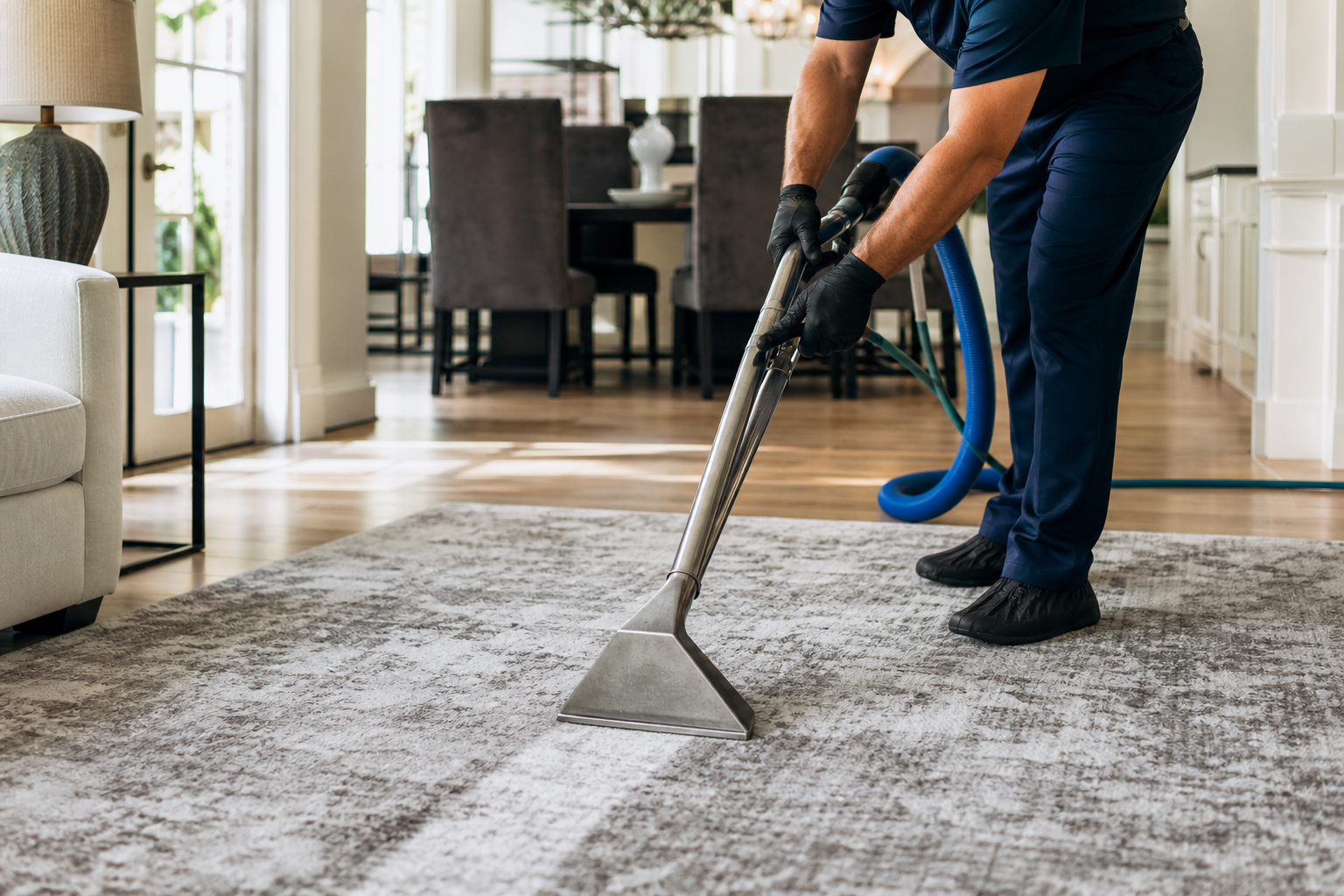
In Metro Atlanta, a professional carpet or upholstery cleaning typically ranges from $150 to $450 depending on the square footage and the severity of the staining. When you consider the cost of replacing a $3,000 sectional or a custom area rug, professional intervention is a wise investment. At Fuego Fresh, we use commercial-grade extraction tools that pull moisture and pigment from the deepest layers of your furniture, leaving your home spotless and smelling like a fresh breeze off the Chattahoochee.
Don't let a spill ruin your weekend. If the white wine didn't do the trick, or if you just want the peace of mind that comes with a deep, hygienic clean, book your service with Fuego Fresh today and let us handle the heavy lifting.
Frequently Asked Questions
Q.Will white wine leave a smell in my Atlanta home?
Yes, if not properly rinsed, the sugars and alcohol in white wine can sour, creating a stale odor that is exacerbated by Atlanta's high humidity. It is crucial to follow up the wine treatment with a damp cloth rinse and thorough drying to prevent this.
Q.Is white wine safe for all types of carpet?
No, it is generally safe for synthetic fibers like nylon or polyester commonly found in newer Brookhaven townhomes. However, you should avoid using it on natural fibers like wool, silk, or sisal, as the acidity can damage the delicate structure of these materials.
Q.What is the best white wine to use for stains?
Use a dry, clear white wine like a cheap Sauvignon Blanc or Pinot Grigio. Avoid sweet wines like Moscato or Riesling, as the high sugar content will leave a sticky residue that attracts Atlanta dust and creates a secondary stain over time.
Q.Can I use this method on an old, dried wine stain?
The white wine method is almost exclusively effective on fresh, wet stains. Once the wine has dried and bonded to the fibers, white wine will likely just make the area wetter without lifting the pigment; at that point, you need professional-grade surfactants.
Q.How much does it cost to have a wine stain professionally removed in Atlanta?
For a targeted emergency visit or as part of a general cleaning, you can expect to pay between $150 and $450 in the Metro area. Fuego Fresh provides transparent pricing to ensure your luxury rugs and upholstery are restored without hidden fees.
Ready for a Cleaner Home?
Get a free quote from Fuego Fresh Cleaning Services today. Background-checked, fully insured, ridiculously detail-focused.
Comments
Loading comments…