
How to Remove Red Wine Stains with White Wine and Vinegar: An Atlanta Homeowner’s Guide
Discover the surprising chemistry of using white wine and vinegar to erase stubborn red wine spills from your luxury Atlanta home's delicate fabrics and carpets.
How to Remove Red Wine Stains with White Wine and Vinegar
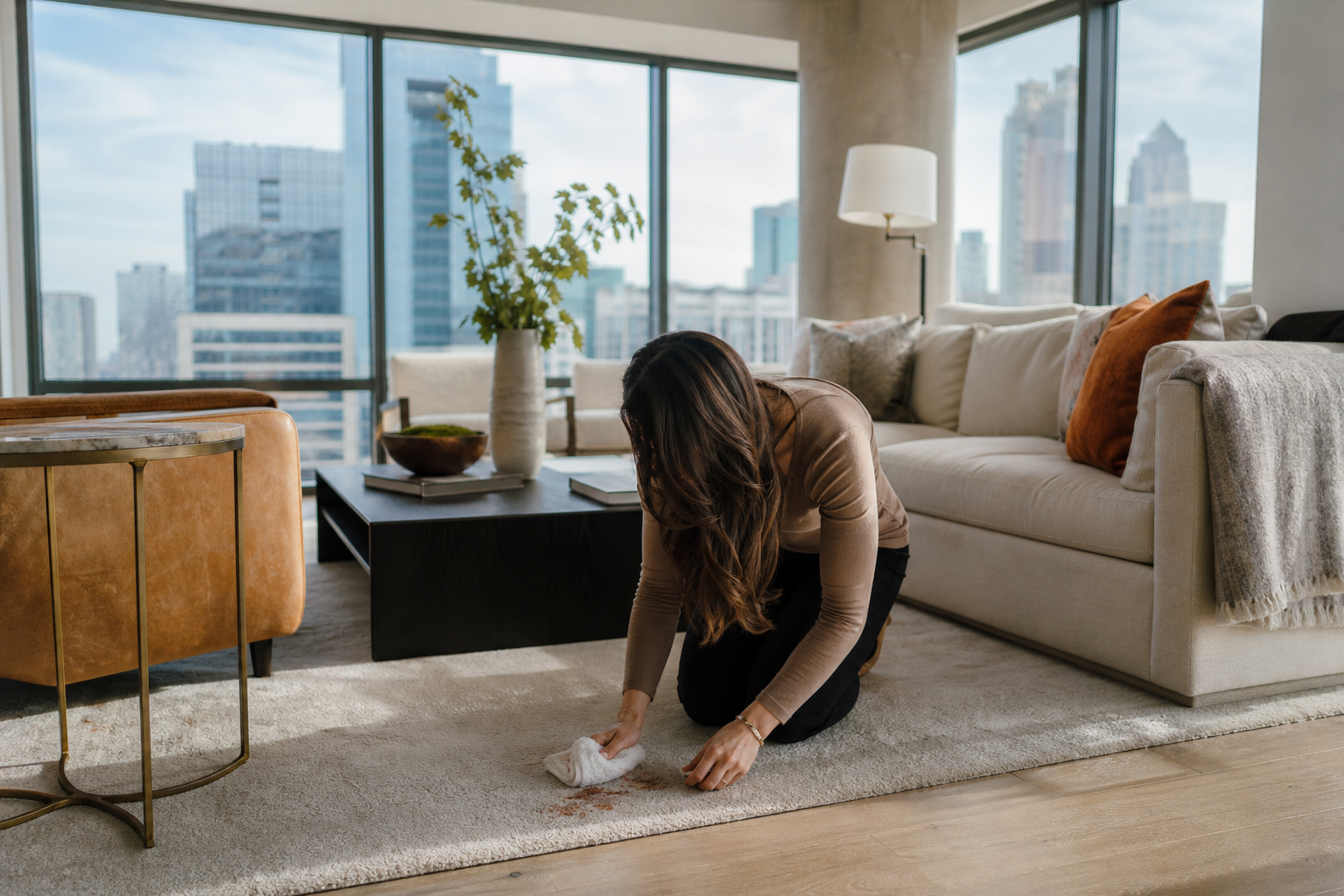
It’s a classic Atlanta Saturday night. You’ve just finished a beautiful dinner at a bistro in Inman Park, and now you’re back at your Buckhead townhome, relaxing on that cream-colored sofa with a glass of bold Cabernet. Then, the unthinkable happens. A slip of the hand, and suddenly your pristine upholstery looks like a crime scene. When disaster strikes, you need to know how to remove red wine stains with white wine and vinegar before the pigment sets permanently into the fibers.
Living in the South, we deal with enough stains from red clay and Georgia pollen—we don’t need a permanent Merlot reminder on the rug. The good news? You likely already have the antidote sitting in your pantry and your wine fridge. This guide will walk you through the precise chemistry and technique to save your surfaces using two household staples.
The Science of the Spill: Why Red Wine is So Stubborn
Red wine contains chromogens, the primary substances responsible for its deep, rich color. These are the same tannins used to dye leather and fabric. When red wine hits a porous surface—whether it’s a wool rug in a Virginia-Highland bungalow or a linen chair in Midtown—those chromogens immediately begin bonding with the fibers.
The Role of Humidity and Heat
In Atlanta, our high humidity can actually slow down the drying process, giving you a slightly longer window to react than someone in a dry climate like Phoenix. However, the heat is your enemy. If your A/C is struggling during a July heatwave, the stain may set faster. Speed is the absolute priority.
Why White Wine Works
It sounds counterintuitive to add more alcohol to a mess, but white wine contains an enzyme that helps neutralize the pigments in red wine. Think of it as a diluting agent that prevents the red molecules from attaching to the fabric. While it isn’t a complete cleaner on its own, it buys you time.
Step-by-Step: How to Remove Red Wine Stains with White Wine and Vinegar
If you want to master how to remove red wine stains with white wine and vinegar, you must follow a specific sequence. Mixing these steps or rubbing too hard can ruin your carpet's pile forever.
Step 1: Blot, Don't Rub
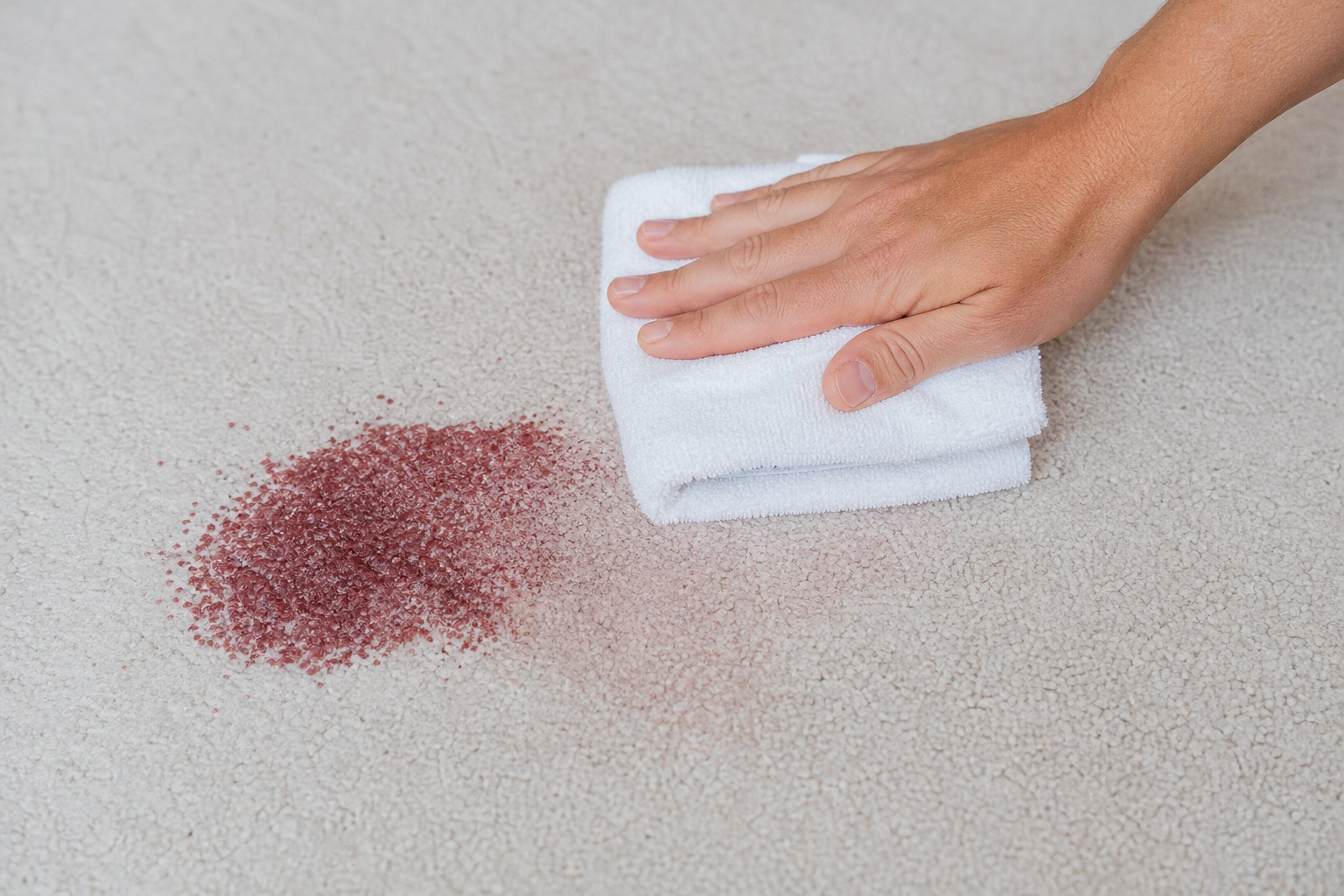
Grab a clean, white microfiber cloth or a stack of heavy-duty paper towels. Blot the spill from the outside in. If you rub, you’re just pushing the tannins deeper into the carpet pad. Pressure is your friend; friction is your enemy.
Step 2: The White Wine Neutralizer
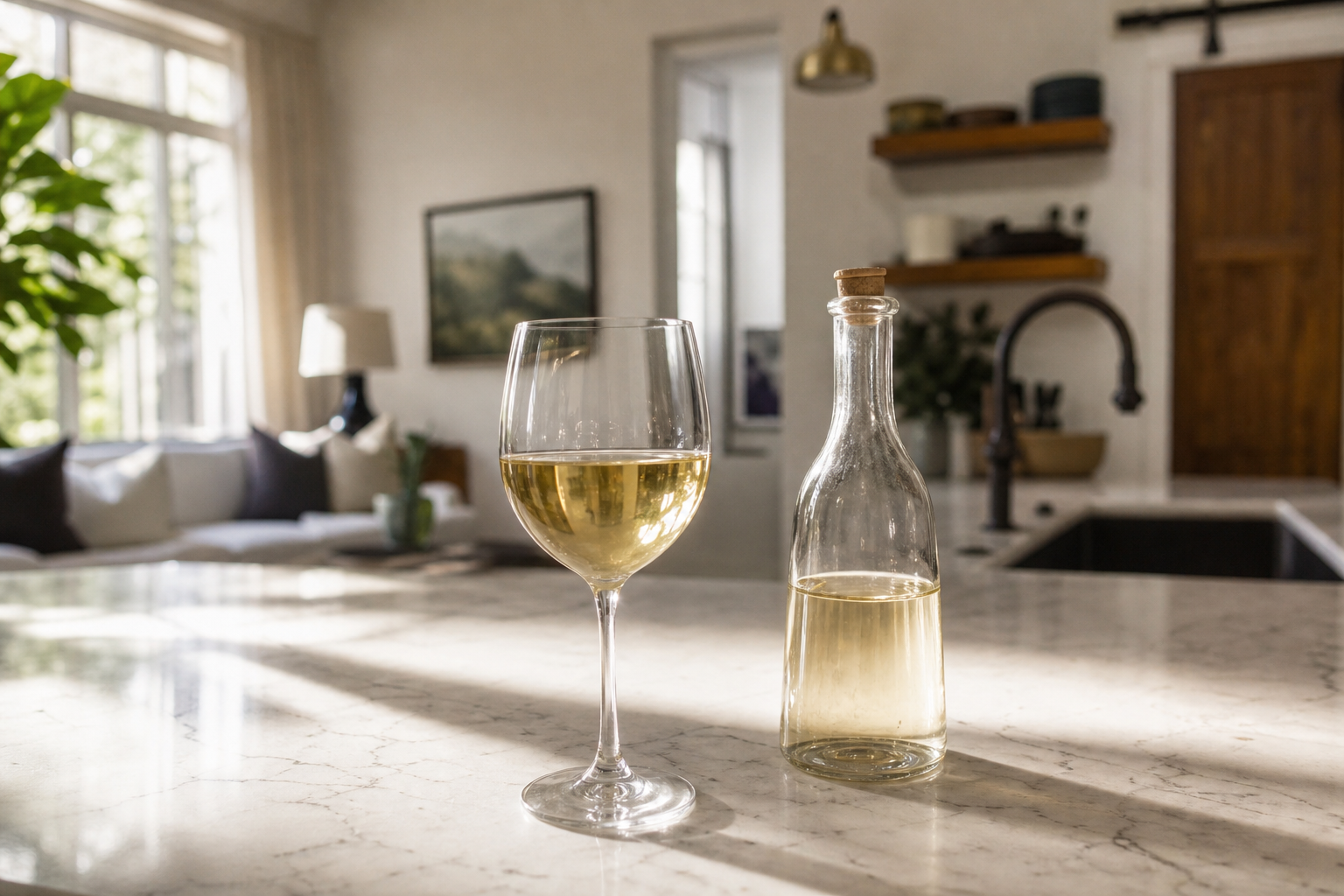
Pour a small amount of clear white wine (Pinot Grigio or Sauvignon Blanc work best—avoid anything sugary like Riesling) directly onto the red stain. The white wine will dilute the color. Continue blotting with a fresh section of your cloth. You should see the red color transferring onto the white cloth.
Step 3: The Vinegar Solution
Once the majority of the pigment is lifted, it’s time for the heavy lifter: white distilled vinegar. Mix one tablespoon of liquid dish soap and one tablespoon of white vinegar with two cups of warm water.
Step 4: The Final Rinse
Sponge the stain with the vinegar solution and blot frequently. The acetic acid in the vinegar breaks down the remaining tannins that the white wine loosened. Finally, sponge the area with plain cold water to remove the soap residue, then pat dry.
Specialized Surfaces: Upholstery vs. Carpet
Not all surfaces in your Atlanta home are created equal. The rug you bought at the Scott Antique Markets requires a different touch than the performance fabric on your West Elm sofa.
Treating Luxury Wool and Silk
If you are dealing with a high-end Persian rug or a silk-blend upholstery common in Milton or Alpharetta estates, be extremely cautious. These natural fibers are delicate. Always test a small, inconspicuous area first. If the fabric feels stiff after the vinegar treatment, you haven't rinsed enough. Check our pricing if you feel the DIY route is too risky for a $5,000 rug.
Performance Fabrics and Synthetics
Modern high-rise condos in Atlantic Station often feature synthetic blends like polyester or nylon. These are much more forgiving. You can be a bit more liberal with the vinegar solution here, as these fibers don't absorb liquid as quickly as natural wool.
Common Mistakes to Avoid
Even with the best intentions, many homeowners end up making the stain worse. Avoid these three common pitfalls:
- Using Hot Water: Heat sets stains. Always use cool or lukewarm water. Hot water will cook the proteins and tannins into the fiber.
- Using Balsamic or Apple Cider Vinegar: Only use clear, white distilled vinegar. Using darker vinegars will simply add a new brown or yellow stain to your red one.
- Waiting Until Morning: In the time it takes to sleep off a dinner party, the wine has oxidized and bonded. You must act while the spill is damp.
Expert Cleaning Tips for Atlanta Homes
As professionals who handle cleaning services across the Metro area, we've seen it all. Here are a few "pro-only" secrets for wine removal:
- The Salt Trap: Many people suggest pouring salt on a wine stain. While salt absorbs liquid, it can also act as a catalyst that sets the dye if left too long. If you use salt, vacuum it up within 10 minutes and proceed to the vinegar step.
- Club Soda Power: If you don't have white wine, club soda is a fantastic substitute. The carbonation helps lift the pigments to the surface.
- Distilled Water Matters: Atlanta tap water is generally fine, but for high-end white carpets, using distilled water for your final rinse prevents mineral buildup (calcium/magnesium) that can leave a faint yellow ring.
When to Call the Professionals
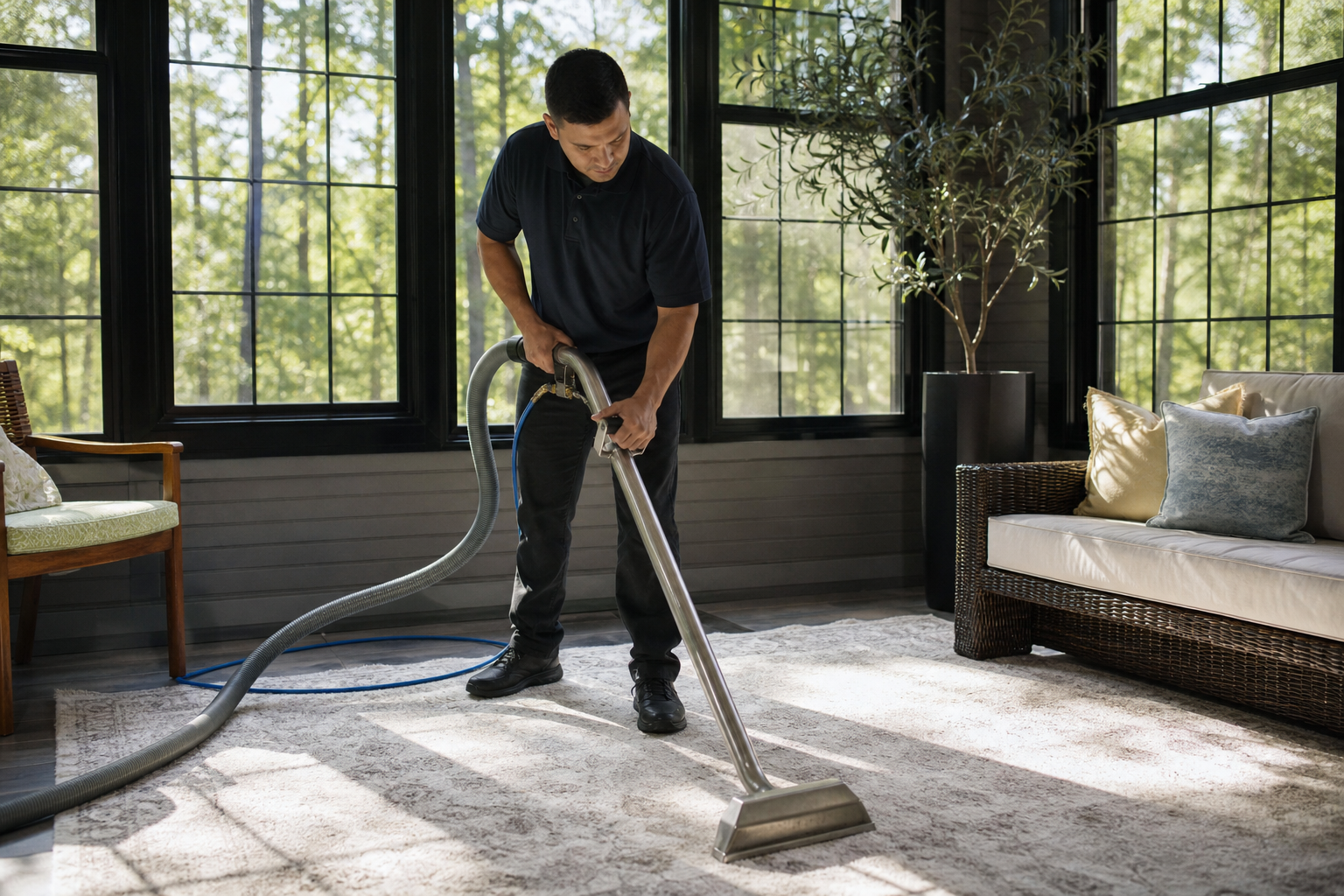
Sometimes, the DIY method isn't enough, especially if the spill happened on a large area or a very expensive piece of furniture. If you’ve tried the white wine and vinegar method and a ghost of the stain remains, it’s time to call in the experts.
Real Cost of Professional Cleaning in Atlanta
In the Metro Atlanta market—from Decatur to Sandy Springs—professional stain extraction and deep cleaning typically range from $150 to $450 depending on the size of the area and the fabric type. This is a small price to pay compared to the $3,000 cost of replacing a high-end rug.
If you find yourself overwhelmed by the mess or simply want your entire home to sparkle after a big event, consider a professional touch. You can book online in under 60 seconds to have a premium team restore your home to its former glory.
Conclusion
Knowing how to remove red wine stains with white wine and vinegar is an essential skill for any Atlanta host. By acting quickly, blotting carefully, and using the right acidic balance, you can save your décor from a permanent disaster. Remember: stay calm, grab the Pinot Grigio, and never, ever rub the carpet.
Frequently Asked Questions
Q.Will white wine leave its own stain on my white carpet?
As long as you use a dry, clear white wine like a Sauvignon Blanc and follow up with the vinegar/water rinse, it will not leave a stain. Avoid sweet wines like Moscato, as the sugar content can create a sticky residue that eventually attracts dirt and turns dark.
Q.How long should I leave the vinegar solution on the wine stain?
You should apply the solution and begin blotting immediately. Do not let the vinegar sit for more than 5-10 minutes without blotting, as you want to lift the pigments out rather than letting the liquid soak into the carpet backing or floorboards.
Q.Is white wine better than salt for red wine spills?
Yes, white wine is generally safer for the fabric fibers. While salt absorbs the liquid, it can sometimes 'set' the stain if it dries out, making it much harder for professionals to remove later. White wine keeps the red pigments in a liquid state longer, allowing for better extraction.
Q.Can I use this method on my velvet sofa in my Midtown condo?
Velvet is tricky because it can be made of cotton, silk, or polyester. Check the care tag first; if it says 'S' (Solvent) or 'X', do not use water-based DIY methods. If it says 'W' or 'WS', you can use the vinegar method, but use a very soft brush to 'groom' the pile back into place while it dries so it doesn't get crunchy.
Q.What if the red wine stain has already dried?
For dried stains, the white wine trick won't work. You'll need to rehydrate the area with a mixture of dish soap and hydrogen peroxide (for light fabrics only) or call a professional service in Atlanta. At this stage, the pigment has bonded, and consumer-grade cleaners often lack the suction power to pull it out.
Ready for a Cleaner Home?
Get a free quote from Fuego Fresh Cleaning today. Background-checked, fully insured, ridiculously detail-focused.
Comments
Loading comments…