How to Remove Stubborn Stains from Fabric Sofa: Earth Breeze vs DIY
Tired of looking at that mystery spot on your couch? We compare Earth Breeze to classic DIY methods to help Atlanta homeowners reclaim their living rooms from stains.

How to Remove Stubborn Stains from Fabric Sofa: Earth Breeze vs DIY
It happens to the best of us in Atlanta. You’re hosting a viewing party for the big game in Old Fourth Ward, or maybe the kids just came in from a humid afternoon at Piedmont Park with red Georgia clay on their shoes. Before you know it, your cream-colored linen sectional has a new, unwelcome guest: a giant blotch of salsa or dirt. When you start researching how to remove stubborn stains from fabric sofa: Earth Breeze vs DIY, you quickly realize there are two very different schools of thought.
Today, we’re breaking down these two popular approaches so you can save your furniture without ruining the fibers. Whether you’re leaning toward the eco-friendly convenience of laundry sheets or the old-school chemistry of vinegar and soda, we’ll help you navigate the process like a pro.
The Core Debate: Why Choose Earth Breeze vs. Traditional DIY?
If you live in a modern high-rise in Midtown, you probably don't have a massive utility closet filled with twenty different cleaning chemicals. This is where the Earth Breeze trend started. People realized that these dehydrated laundry sheets—designed to save the ocean—are actually concentrated surfactants that can be repurposed for upholstery.
The Earth Breeze Approach
Earth Breeze sheets are essentially concentrated detergent. To use them on a sofa, you dissolve a fraction of a sheet in warm water to create a low-sudsing solution. The benefit here is the lack of harsh phosphates and the ease of storage. For Atlanta residents who prioritize eco-friendly living, it’s a tempting, low-waste alternative to bulky plastic bottles.
The DIY Pantry Approach
The traditional DIY method usually involves a combination of white distilled vinegar, baking soda, and a drop of clear dish soap. This is the "tried and true" method passed down through generations. It relies on the acidity of vinegar to break down alkaline stains and the abrasive (yet gentle) nature of baking soda to lift odors—perfect for that lingering "wet dog" smell after a humid July afternoon in Buckhead.
How to Remove Stubborn Stains from Fabric Sofa Using Earth Breeze
Using a laundry sheet on a $3,000 sofa might feel nerve-wracking, but when done correctly, it’s highly effective for protein-based stains (like food) and general grime.
Step 1: The Dilution Ratio
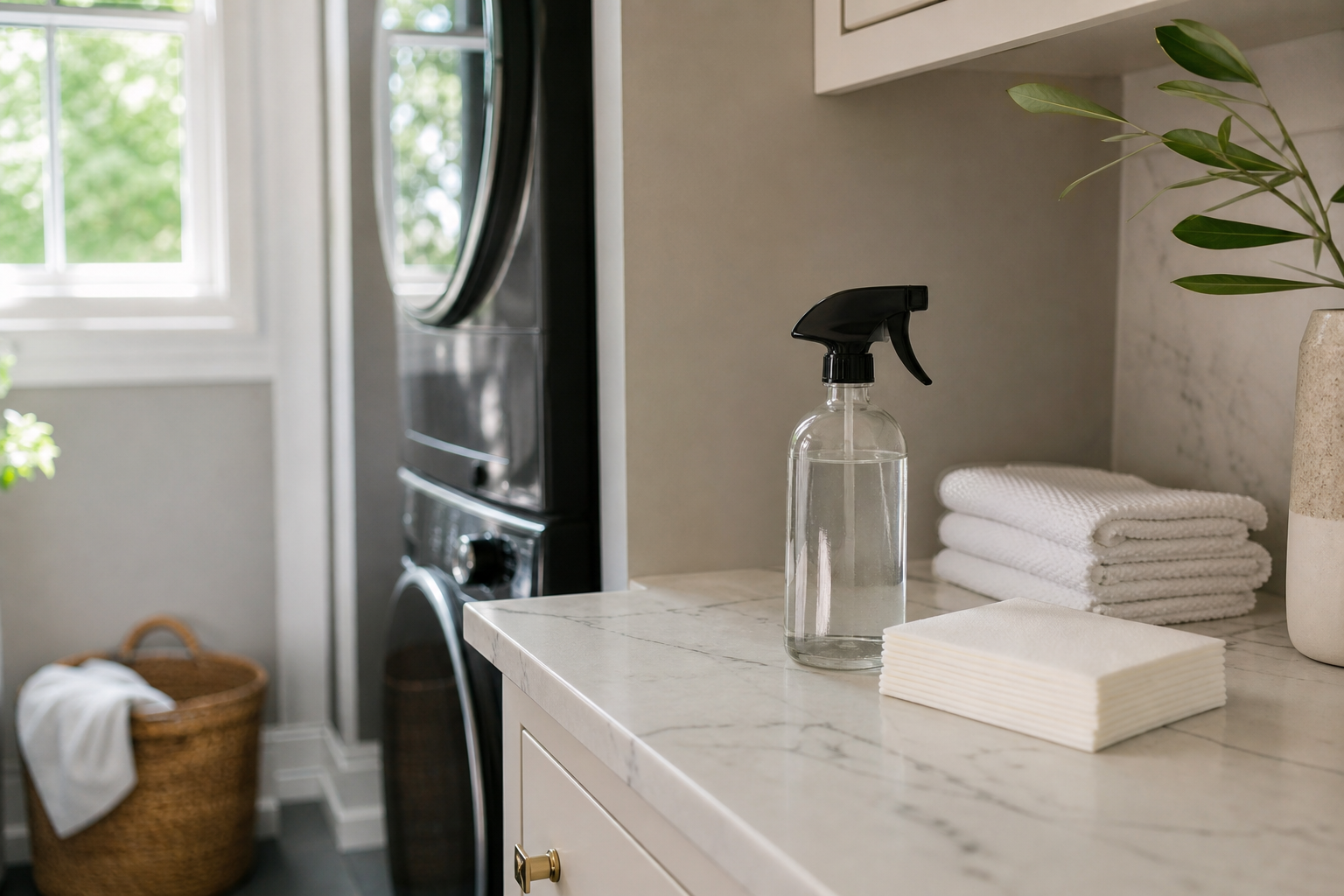
Never rub a dry sheet directly on the fabric. In a spray bottle, mix 1/4 of an Earth Breeze Eco Sheet with about 2 cups of warm filtered water. Shake until fully dissolved. This creates a gentle cleaning liquor that won't leave a sticky residue, which is a common mistake that actually attracts more dirt later.
Step 2: The Application
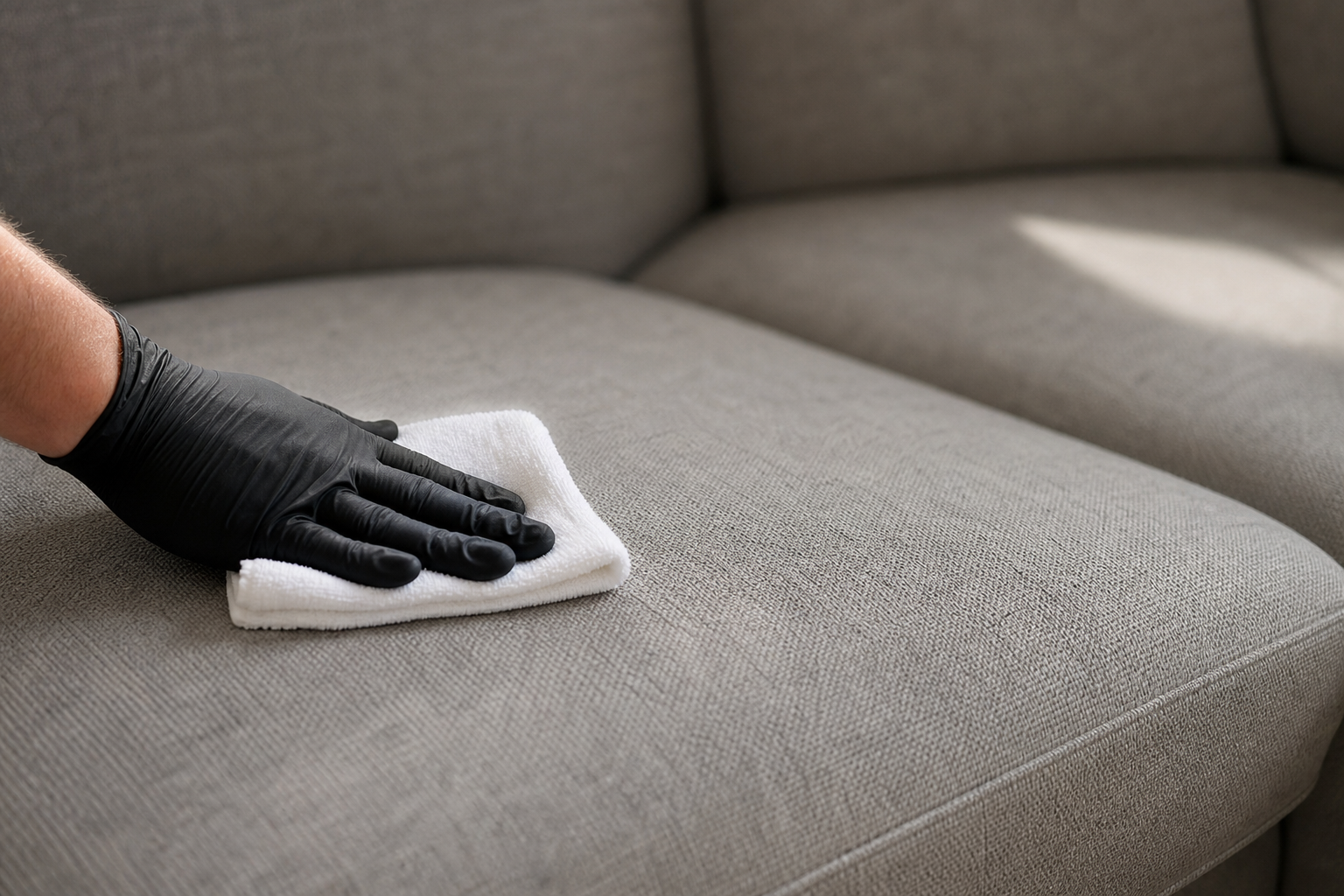
Lightly mist the stained area. Use a soft-bristled upholstery brush to work the solution into the fibers in a circular motion. Because these sheets are formulated to be low-sudsing, you won't end up with a mountain of bubbles that takes hours to dry in the Atlanta humidity. Blot with a clean, white microfiber cloth until the stain transfers from the sofa to the rag.
The Classic DIY Method: Vinegar and Baking Soda
For those dealing with specific pH-sensitive stains—like coffee spills or red wine—the DIY route often provides more surgical precision.
The Vinegar Solution for Water-Based Stains
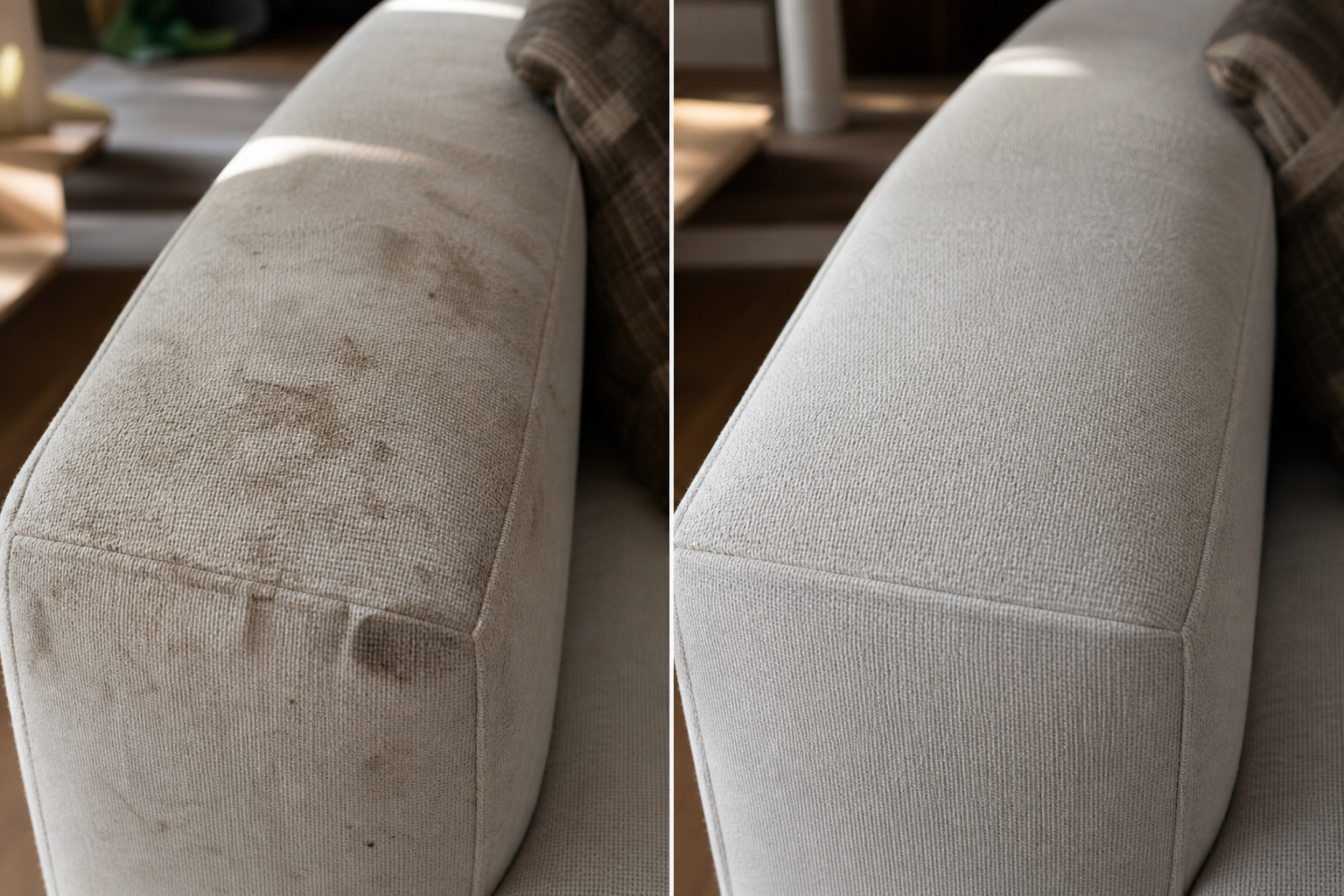
Mix one part white vinegar with one part water and a teaspoon of clear dish soap. The vinegar acts as a mild disinfectant and helps break the bond between the pigment and the fabric. This is particularly effective for removing the dingy "grey" film that accumulates on armrests from body oils.
The Baking Soda Trick for Grease and Odors
If you’ve dropped a piece of greasy pepperoni pizza from your favorite spot in Virginia-Highland onto your cushions, you need an absorbent. Sprinkle baking soda over the grease spot and let it sit for at least 30 minutes. It will draw the oil out of the fibers. Vacuum it up using the upholstery attachment, then follow up with the vinegar solution to remove any remaining shadows.
Comparing the Costs: DIY vs. Earth Breeze vs. Professional Cleaning
When calculating the cost of sofa maintenance in Metro Atlanta, you have to weigh the price of materials against the value of your time and the risk of damaging the piece.
- Earth Breeze/DIY: You’re looking at roughly $0.50 to $5.00 in materials. It’s incredibly cost-effective, but it requires hours of scrubbing and drying time.
- Rental Machines: Picking up a rug doctor at a local Kroger might cost $40–$60, but these machines are often poorly maintained and can leave your sofa smelling like mildew if the suction isn't strong enough to fight the Georgia humidity.
- Professional Upholstery Cleaning: In neighborhoods like Inman Park or Brookhaven, professional pricing for a standard sofa typically ranges from $150 to $250, while large sectionals can range from $300 to $450. This includes steam extraction, specialized stain pre-treatments, and industrial-strength drying fans.
Expert Cleaning Tips for Atlanta Homeowners
- Watch the Humidity: If you are deep cleaning your sofa in the middle of a rainy Atlanta spring, make sure your AC is set to "dry" or run a dehumidifier. If the fabric stays damp for more than 12 hours, you risk mold growth inside the foam cushions.
- The White Cloth Rule: Always use a white microfiber cloth. Colored rags can "crock," meaning the dye from the rag transfers onto your sofa, creating an even bigger disaster than the original stain.
- Pollen Pre-Treatment: During March and April, Atlanta is blanketed in yellow pine pollen. Before you use any liquid cleaner, vacuum your sofa thoroughly. If you wet the pollen, you essentially create a yellow paste that dyes the fabric.
Common Mistakes to Avoid
- Over-wetting the Fabric: This is the number one mistake. Too much water leads to water rings and internal mildew. Always mist, never soak.
- Skipping the Spot Test: Always test your Earth Breeze or DIY solution on a hidden area (like the back of a skirt or under a cushion). Some high-end fabrics in luxury West Midtown lofts use dyes that bleed when they touch vinegar.
- Rubbing Instead of Blotting: Rubbing pushes the stain deeper into the weave and can fray the fabric fibers, leaving a "fuzzy" patch that looks like permanent wear.
When to Call Fuego Fresh Cleaning Services
While knowing how to remove stubborn stains from fabric sofa: Earth Breeze vs DIY can save you in a pinch, there are times when household hacks aren't enough. If you’re dealing with a high-end velvet, silk-blend, or a vintage piece found at a boutique in Decatur, the risk of a DIY mishap is high.
At Fuego Fresh, we bring professional-grade hot water extraction and specialized pH-balanced detergents to the table. We don't just hide the stain; we extract it from the core of the fiber. If you’ve tried the DIY route and that shadow just won't disappear, or if you simply want to refresh your entire home, check out our services and let us handle the heavy lifting. We know exactly how to treat Atlanta homes, ensuring your living space stays as fresh as a breeze off the Chattahoochee.
You can easily book online to get your furniture looking showroom-ready again without the stress of chemical experiments.
Frequently Asked Questions
Q.Is Earth Breeze safe for all types of sofa fabrics?
Earth Breeze is generally safe for synthetic fibers like polyester or nylon, but you should avoid using it on 'S' coded fabrics (solvent only) like velvet or silk. Always check the care tag on your furniture before applying any water-based solution. For delicate natural blends common in upscale Atlanta homes, a professional dry-cleaning method is much safer.
Q.How long does it take for a sofa to dry in Atlanta's humidity?
With DIY methods, a sofa can take 12 to 24 hours to dry completely in Georgia's humid climate. We recommend running your air conditioning or a ceiling fan to circulate air. Professional cleaners use high-velocity air movers to cut this time down to just a few hours, preventing the musty smell that occurs when foam stays damp too long.
Q.Will vinegar leave my living room smelling like a salad?
The pungent smell of white vinegar typically dissipates within 2 to 4 hours as the liquid evaporates. If you're sensitive to the scent, adding a drop of lemon essential oil to your DIY mix can help. Most Earth Breeze users prefer the 'Fresh Scent' sheets because they leave a light, clean aroma without the acidic vinegar smell.
Q.Can I use these methods on a leather sofa?
No, both Earth Breeze and vinegar-based DIY solutions are formulated for porous fabrics. Using them on leather can strip the natural oils, leading to cracking and discoloration. Leather requires a pH-neutral cleaner and a dedicated conditioner to maintain its suppleness, especially in the dry heat of Atlanta winters.
Q.What should I do if my stain is red Georgia clay?
Georgia clay is iron-rich and acts more like a dye than dirt. You must vacuum the area while it is completely dry to remove as much sediment as possible before applying any liquid. Once wet, the clay can permanently stain light-colored fabrics, at which point professional-grade emulsifiers are usually required.
Ready for a Cleaner Home?
Get a free quote from Fuego Fresh Cleaning today. Background-checked, fully insured, ridiculously detail-focused.
Comments
Loading comments…