
How to Remove Wood Stain from Clothes After Washing: An Atlanta Homeowner’s Guide
Discovered a dark mahogany smudge on your favorite shirt after a weekend DIY project in Virginia Highland? Our guide reveals how to lift set-in wood stains even after a dry cycle.
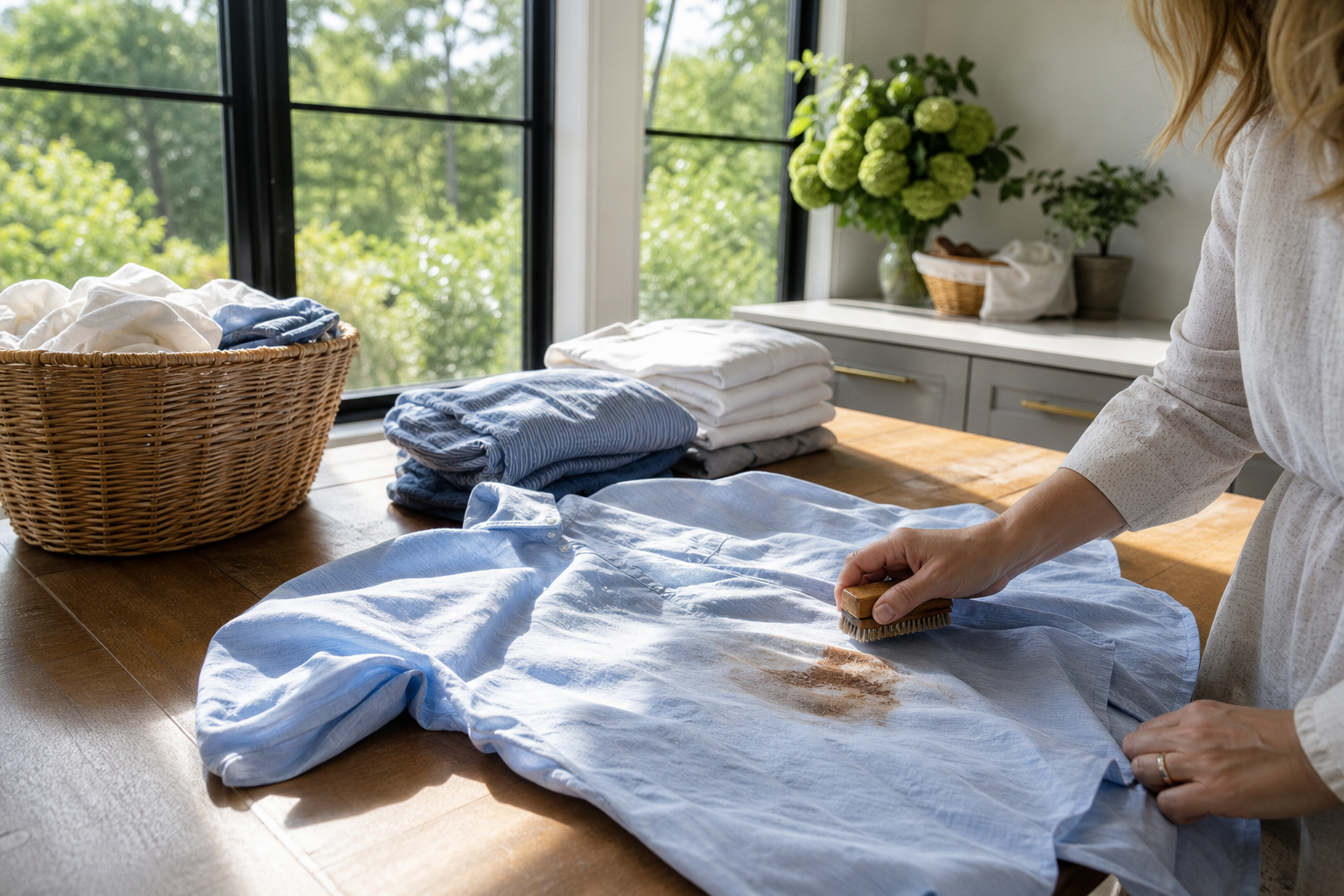
How to Remove Wood Stain from Clothes After Washing
It happens to the best of us. You spent Saturday morning refinishing a vintage oak dresser you found at a Scott Antique Market, feeling like a DIY pro. But then, as you're folding laundry in your Grant Park bungalow, you see it: a stubborn, dark brown smear across your favorite cotton henley. You’ve already washed it. You’ve likely already dried it. Now you’re panicking, wondering how to remove wood stain from clothes after washing without ruining the fabric forever.
In the humid climate of Atlanta, wood stains behave differently than they do in dry air. The moisture in our air can actually slow the initial drying time, but once that heat from a Georgia Power-fueled dryer hits the garment, the pigment binds to the fibers like it’s part of the original thread. The good news? It’s not necessarily a total loss. Whether it’s oil-based, water-based, or a hybrid varnish, there are aggressive yet safe ways to salvage your wardrobe.
Understanding the Bond: Why Set-in Stains are Different
When you’re looking at a wood stain that has survived a wash and dry cycle, you aren’t just dealing with a surface spill. You are dealing with a polymer that has hardened. Most wood stains are designed to be permanent, weather-resistant, and deep-penetrating. When these chemicals go through a high-heat drying cycle, the stain "cures."
Oil-Based vs. Water-Based Wood Stains
Before you grab the chemicals, you need to know what you’re fighting. If you were using a classic Minwax or Varathane oil-based stain common in older Buckhead renovations, the pigment is carried by mineral spirits. If it was a modern, low-VOC water-based stain, it’s an acrylic-based binder. Knowing this dictates your solvent choice. Oil-based stains are the toughest to remove post-wash, while water-based ones are slightly more forgiving but still require significant agitation.
The Role of Atlanta’s Humidity
If you left the stained garment in a damp pile in your laundry room during a humid July week, mold spores might have already begun to interact with the organic binders in the wood stain. This adds a layer of complexity. You aren't just removing pigment; you're breaking down a biological and chemical bond.
Step-by-Step Guide to Removing Set-in Wood Stains
If the garment is a delicate silk or high-end wool from a boutique in Phipps Plaza, stop now and take it to a professional cleaner. But for your standard cotton, denim, or synthetic blends, follow this protocol for how to remove wood stain from clothes after washing.
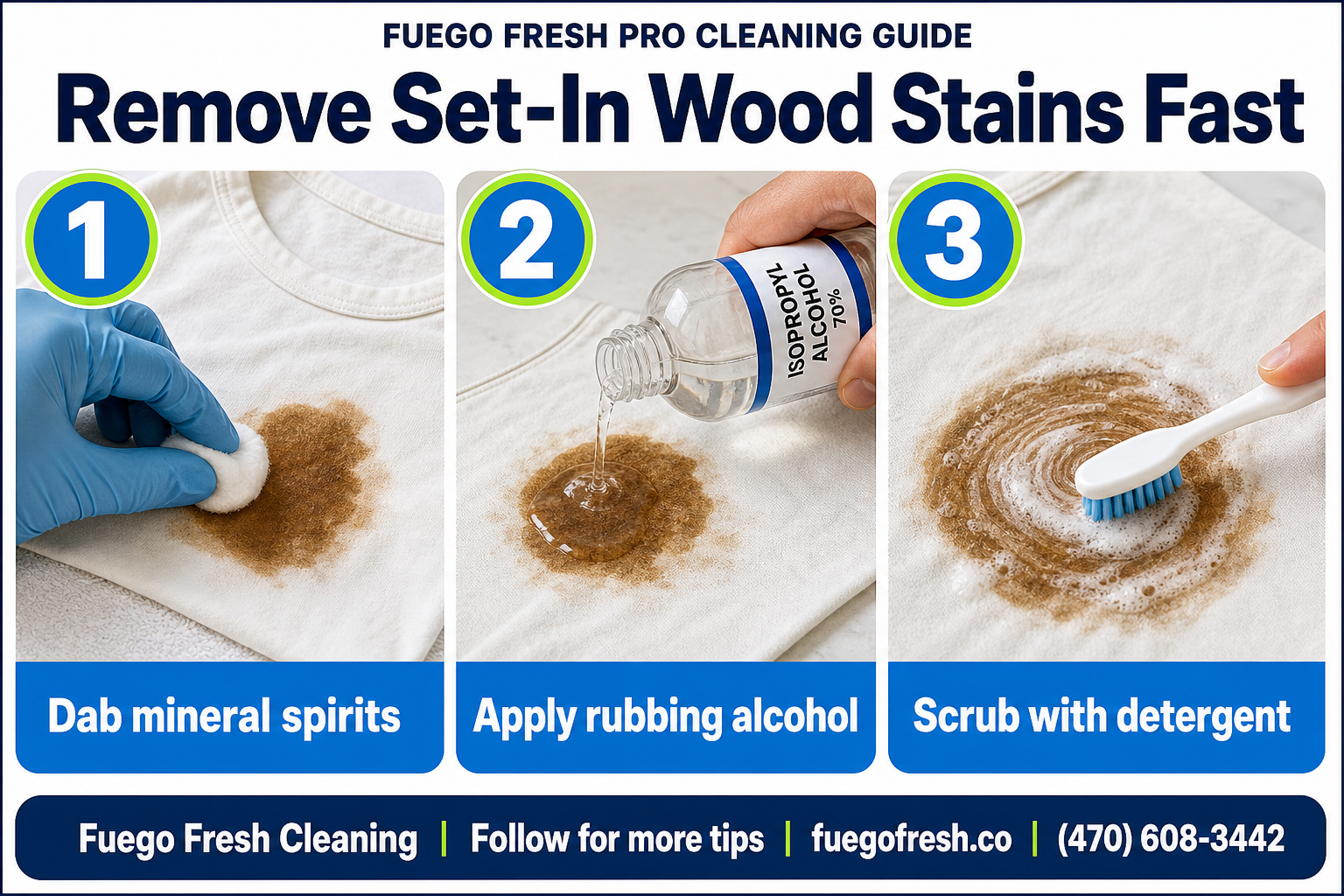
1. The Solvent Pre-Treat
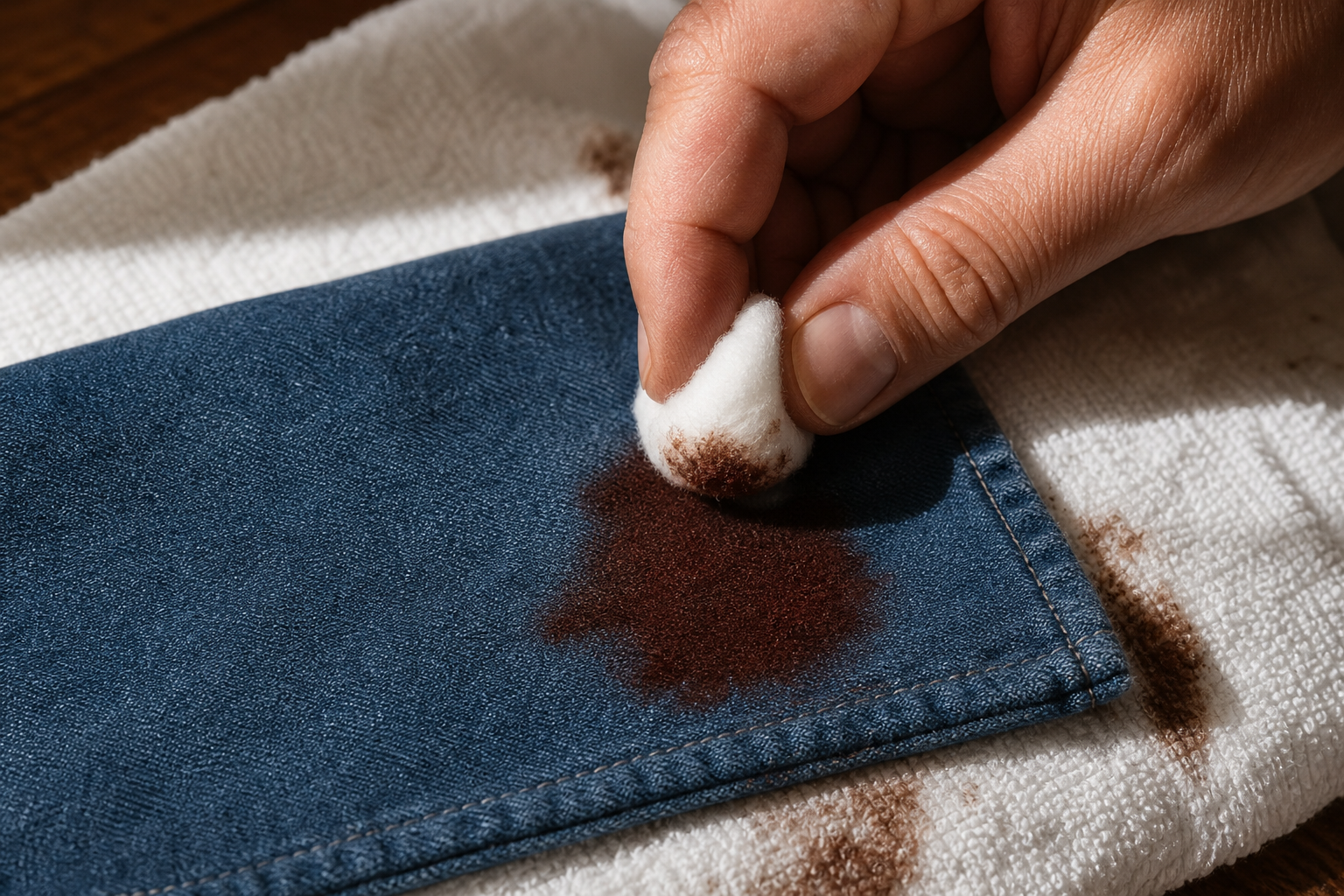
For oil-based stains, you need to re-liquefy the binder. Lay the garment flat on an old towel. Dab a small amount of mineral spirits or turpentine onto a cotton ball and test an inconspicuous area first. If the fabric holds its color, dab the stain directly. Do not rub—rubbing pushes the pigment deeper into the weave. You want the solvent to break the bond so the pigment can transfer to the towel underneath.
2. The Alcohol Method for Water-Based Stains
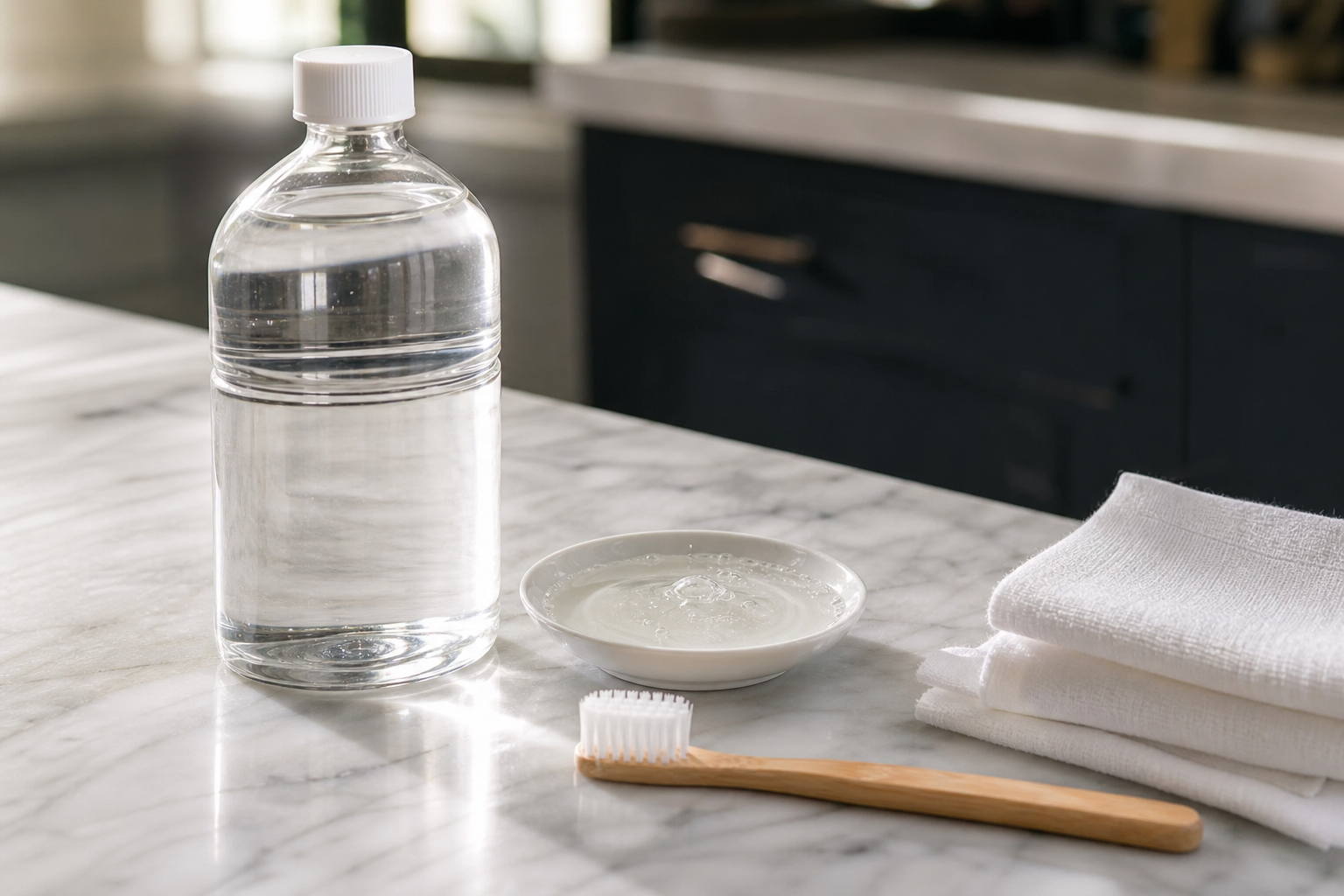
If the stain was water-based, rubbing alcohol (isopropyl) or even a high-quality hand sanitizer can act as a solvent. Apply it generously to the dried stain. Let it sit for 10 minutes. You should see the edges of the stain begin to blur. This is a sign the acrylic binder is softening.
3. The Heavy-Duty Detergent Scrub
Once the solvent has sat, use a soft-bristled toothbrush and a concentrated liquid laundry detergent (look for one with high protease enzymes). Scrub in a circular motion, working from the outside of the stain toward the center. This prevents the stain from spreading further across the fabric. Check our services if you're dealing with larger upholstery issues involving similar stains.
Advanced Techniques: The Goop and The Heat
Sometimes, standard solvents aren't enough for a stain that has been baked in by an Atlanta summer afternoon in the dryer.
Using Mechanics’ Hand Cleaner
Product like Goop or Gojo (the non-pumice versions) are designed to break down grease and oil without destroying skin. They are surprisingly effective on set-in wood stains. Smear a thick layer over the stain and let it sit for at least two hours. The emulsifiers in the cleaner will slowly pull the wood pigment out of the fibers.
The Boiling Water Flush (Cotton Only)
If you’re working with 100% heavy cotton (like denim or a canvas work jacket), stretch the stained area over a bowl and secure it with a rubber band. From about two feet above, pour boiling water directly through the stain. The pressure and heat can sometimes force out the softened resins that the solvents loosened. Warning: Do not do this for synthetics or blends, as they will melt or lose their shape.
Expert Cleaning Tips for Atlanta Homeowners
- Check the Pockets: Often, the stain comes from a small wood-finishing marker or a rag left in a pocket. Check every pocket before the next wash to avoid a repeat disaster.
- Avoid the Dryer: Until you are 100% sure the stain is gone, never put the item back in the dryer. Air dry it near a fan or an open window overlooking the Beltline. Sunlight can actually help fade the residual pigment, but heat will lock it back in.
- Dish Soap Hack: For lingering oily rings left by the solvent, Dawn dish soap is the gold standard in Georgia for breaking down those leftover oils before the final rinse.
Common Mistakes to Avoid
- Using Bleach Immediately: Bleach will not remove wood stain; it will only lighten the surrounding fabric, making the dark brown or mahogany stain stand out even more. It can also weaken the fibers already stressed by the stain.
- Aggressive Scraping: Don’t use a knife or a sharp tool to scrape the dried stain. Wood stain isn't like paint; it doesn't sit on top. You’ll likely just rip a hole in your favorite Midtown-bought threads.
- Mixing Chemicals: Never mix mineral spirits with bleach or other household cleaners. The fumes can be toxic, especially in smaller, poorly ventilated laundry rooms found in many Inman Park apartments.
When to Call in the Professionals
Sometimes, a DIY project goes beyond a single shirt. If you’ve accidentally tracked wood stain onto your wall-to-wall carpeting in a Sandy Springs estate or splattered a custom rug in your Decatur home, the stakes are much higher than a cotton t-shirt.
For major household spills or when you realize your entire laundry load has been contaminated by a stray wood-stain rag, it’s time to look at professional intervention. In the Metro Atlanta area, professional deep cleaning for upholstery or high-end fabric restoration typically ranges from $150 to $450, depending on the square footage and the severity of the chemical bond. Check our pricing to get a better sense of how we can help restore your home’s interior to its former glory.
Whether you’re dealing with a small spot on a sleeve or a larger household mishap, the key is patience and using the right chemistry. Don't let a Saturday afternoon project ruin your Sunday morning peace. With the right approach, even the toughest wood stain can be beaten.
Frequently Asked Questions
Q.Can I use hairspray to remove wood stain in Atlanta's humidity?
Hairspray used to work because of high alcohol content, but many modern formulas are alcohol-free. In Atlanta's humidity, the sticky residue can actually attract more dust. It's better to use pure isopropyl alcohol for a cleaner, more predictable result on wood stains.
Q.Is a wood stain permanent once it goes through the dryer?
It isn't necessarily permanent, but the heat from the dryer 'sets' the resins and oils, making them significantly harder to dissolve. You will need stronger solvents like mineral spirits or specialized heavy-duty detergents and multiple treatments to see progress.
Q.Will vinegar help remove set-in wood stains?
Generally, no. Vinegar is an acid that is great for mineral deposits or some food stains, but it doesn't have the chemical properties to break down the petroleum-based binders or acrylic resins found in most wood stains used in Georgia home projects.
Q.How do I know if my wood stain is oil-based or water-based?
Check the original container if possible. If not, look at how the stain behaves: water-based stains usually feel 'rougher' on the fabric and have a flatter color, while oil-based stains often have a slight sheen and a distinct chemical odor that lingers even after a wash.
Q.When should I give up on a stained garment?
If the fabric starts to thin, pill, or lose its structural integrity from the solvents and scrubbing, it's time to stop. If you've tried three rounds of treatment without any fading, the pigment has likely become a permanent part of the fiber's molecular structure.
Ready for a Cleaner Home?
Get a free quote from Fuego Fresh Cleaning today. Background-checked, fully insured, ridiculously detail-focused.
Comments
Loading comments…