The Hidden Costs of Softness: Why You Should Stop Using Fabric Softener in Your Laundry
Discover how your favorite laundry additive might be ruining your clothes and clogging your washer, and learn the pro-approved alternatives for a cleaner Atlanta home.
The Hidden Costs of Softness: Why You Should Stop Using Fabric Softener in Your Laundry
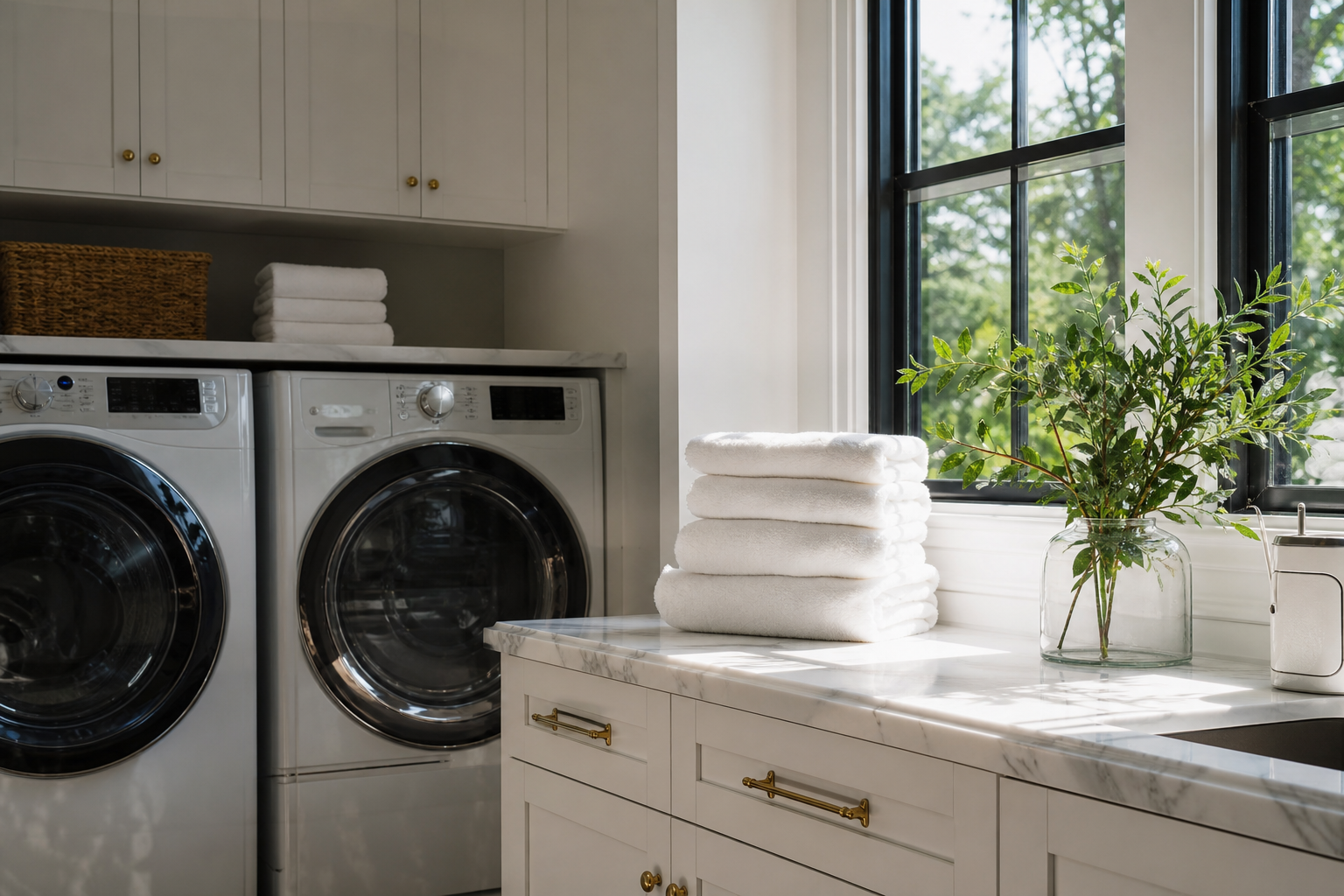
There is nothing quite like pulling a fresh load of laundry out of the dryer in your Buckhead condo or your craftsman home in Virginia Highland. We all crave that scent of "clean linen" and that plush, soft feel against our skin. For decades, big-brand marketing has convinced us that a capful of blue liquid is the only way to achieve it. However, if you want to protect your wardrobe and your home’s plumbing, it is time to face the facts: you need to learn why you should stop using fabric softener in your laundry.
At Fuego Fresh Cleaning Services, we see the aftermath of these products every day. From waxy buildup on linens to clogged drainage systems in high-end washers, fabric softener is often the silent culprit behind household headaches. In this guide, we will break down the science of why these chemicals are doing more harm than good and offer superior, Atlanta-tested alternatives that will keep your home feeling truly fresh.
1. The Science of the "Waxy Trap"
To understand why fabric softener is problematic, you have to understand how it works. It doesn't actually "soften" the fibers of your clothes. Instead, it coats them in a thin layer of lubrication—typically made from tallow (rendered animal fat) or synthetic petroleum-based chemicals.
Destroying Absorbency in Towels and Gym Gear
If you have ever noticed that your bath towels seem to push water around rather than soaking it up, you are likely a victim of softener buildup. By coating the cotton fibers in oil, the softener makes the fabric hydrophobic. This is particularly disastrous for the high-performance moisture-wicking gear we wear while running the Beltline or hitting a hot yoga session in Midtown. Once those synthetic fibers are coated, they trap sweat and bacteria, leading to that permanent "gym funk" that no amount of washing seems to fix.
The Fire Hazard Nobody Talks About
Many people are unaware that fabric softeners can significantly increase the flammability of certain fabrics. By coating fibers in oily chemicals, the softener provides fuel for potential sparks. This is especially dangerous for children’s sleepwear, which is often treated with flame retardants that are neutralized by the use of liquid softeners.
2. Your Washing Machine’s Worst Enemy
In the humid climate of Metro Atlanta, mold and mildew are constant battles. Your washing machine is already a prime breeding ground for these issues, and fabric softener acts like a buffet for bacteria.
The Growth of "Scrud"
Technicians call the sludge formed by fabric softener and detergent "scrud." This sticky, gray substance builds up behind the drum and inside the drainage hoses of your machine. Over time, it starts to smell like rotten eggs. Because Atlanta water can be somewhat soft but carries its own mineral profile, this waxy buildup creates a perfect surface for mold to latch onto, eventually transferring that odor back onto your "clean" clothes.
Costly Repairs and Plumbing Woes
A service call for a clogged washing machine in neighborhoods like Sandy Springs or Brookhaven can easily run between $150 and $450 depending on the parts required. Often, the "repair" is simply a deep-cleaning of the internal components that have been gunked up by years of softener use. By cutting out this one product, you can significantly extend the lifespan of your appliance.
3. Health Impacts and Indoor Air Quality
Atlanta is famous for its pollen season, which already puts our respiratory systems to the test. Adding synthetic fragrances and volatile organic compounds (VOCs) from laundry products into your home’s air only complicates things.
Skin Irritations and Allergies
Since fabric softener is designed to stay in the fabric rather than rinse out, those chemicals are in direct contact with your skin 24/7. This can lead to contact dermatitis, eczema flare-ups, and unexplained itching. For families in Druid Hills with young children or sensitive skin, removing these irritants is often the first step to finding relief.
Fragrance Sensitivity
The "mountain breeze" or "spring rain" scents are usually a cocktail of phthalates and synthetic musks. These can trigger migraines and respiratory distress. If you’re used to the heavy scent of softener, your nose might be "blind" to it, but your home’s indoor air quality is likely suffering.
4. Pro-Approved Alternatives for Soft Laundry
You don't have to settle for scratchy clothes. There are several ways to get that soft feel without the chemical coating.
The White Vinegar Rinse
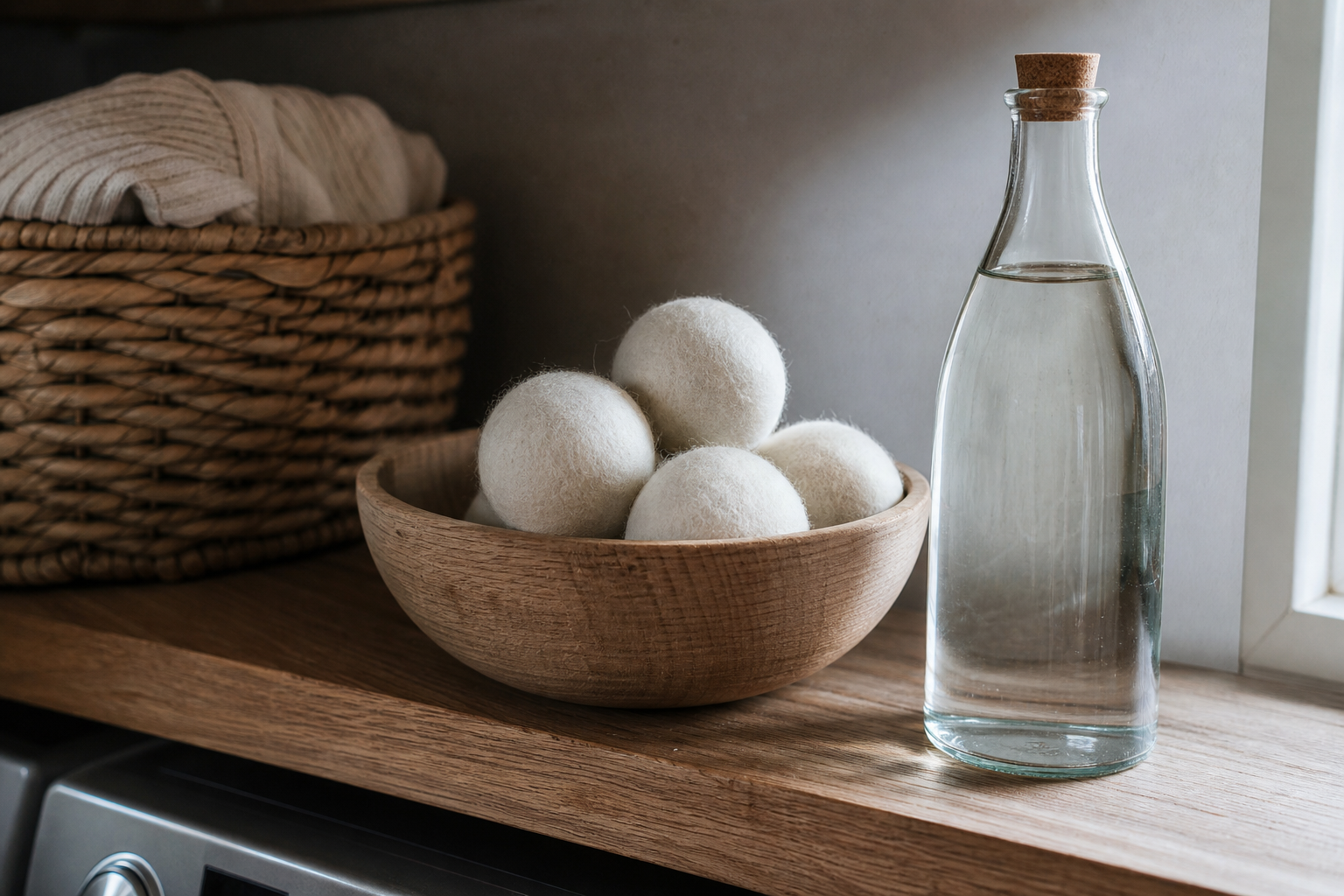
Distilled white vinegar is the ultimate laundry hack. Adding a half-cup to the fabric softener dispenser does two things: it helps break down any remaining detergent (which is what actually makes clothes feel stiff) and it naturally softens the water. Don't worry—your clothes won't smell like pickles. The scent disappears once they dry, leaving only clean, soft fabric behind.
Wool Dryer Balls
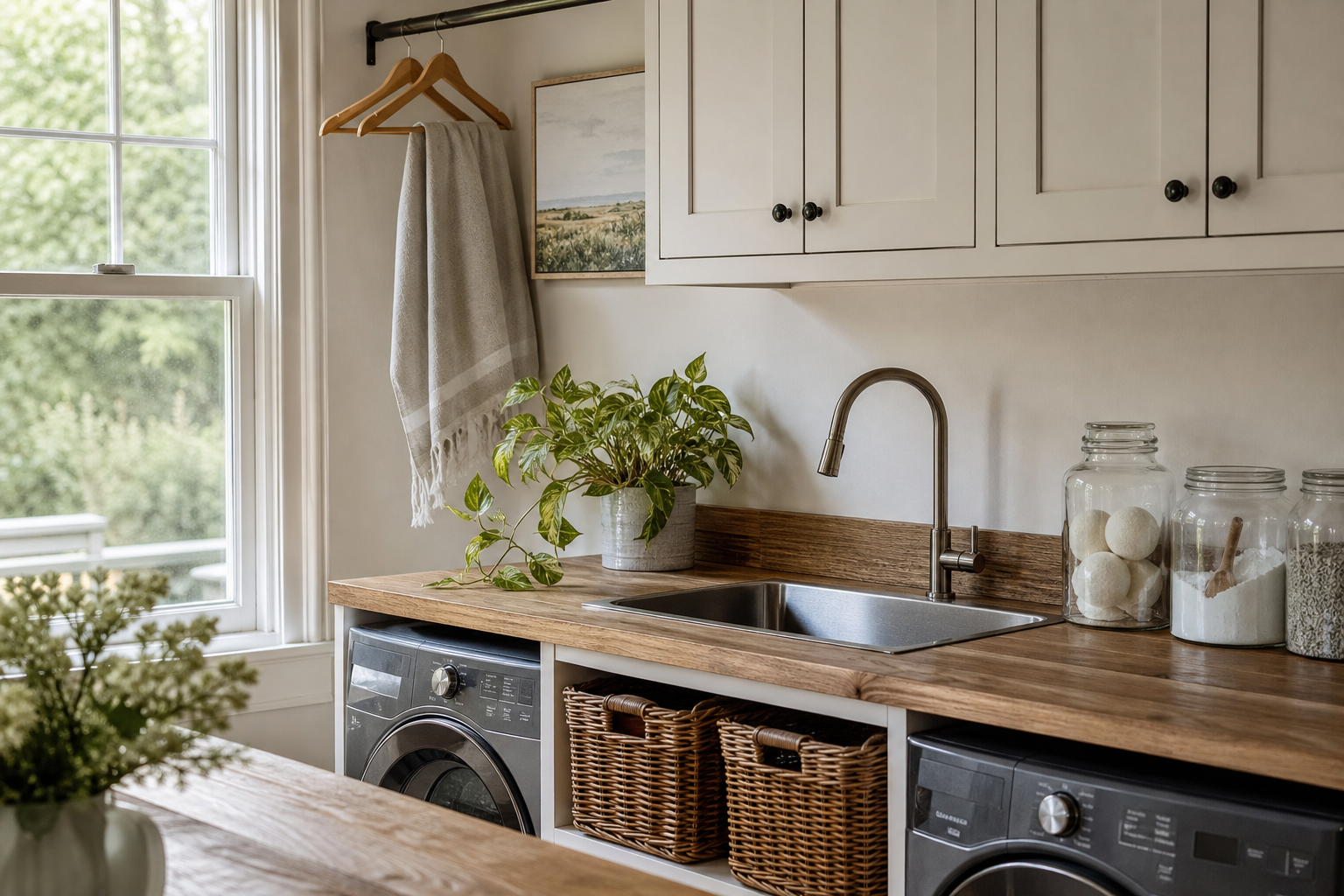
Instead of dryer sheets (which are just thin pieces of polyester coated in softener), use 100% New Zealand wool dryer balls. They bounce between the layers of clothing, improving airflow and reducing drying time. This is a one-time investment that saves money on your utility bills over time.
Expert Cleaning Tips for Laundry Longevity
To reset your laundry and remove years of buildup, follow these pro steps:
- The Strip Wash: Use a mixture of Borax, washing soda, and a heavy-duty detergent in a bathtub of hot water to "strip" the wax off your towels. You’ll be shocked at the color of the water.
- The Monthly Maintenance: Run an empty hot cycle with a specialized washing machine cleaner or two cups of vinegar once a month to dissolve any "scrud."
- Less is More: Most Atlanta homeowners use 2-3 times more detergent than necessary. Follow the lines on the cap—usually, two tablespoons is plenty for a standard load.
Common Mistakes to Avoid
- Using Dryer Sheets on Microfiber: Never use sheets or softeners on microfiber cleaning cloths. It ruins their ability to grab dust.
- Overloading the Machine: In an effort to save time, we often cram the washer full. This prevents the water from properly rinsing away soap and softener, leading to more buildup.
- Mixing Vinegar and Bleach: Never do this. It creates toxic chlorine gas. If you are bleaching your whites, skip the vinegar rinse for that load.
While maintaining your laundry is a great start, a truly healthy home requires a comprehensive approach. If the task of keeping up with deep cleaning feels overwhelming, check out our full range of services to see how we can help. For many busy professionals in the Metro area, hiring a professional cleaning team is the best way to ensure their home remains a sanctuary from the city's hustle.
Conclusion
Making the switch away from fabric softener is one of the easiest ways to improve your home's health, save money on appliance repairs, and keep your clothes looking new for longer. It may take a few washes for the old buildup to disappear, but once it does, you'll notice that your towels are more absorbent, your gym clothes smell better, and your skin is less irritated. In the high-humidity environment of Atlanta, your washing machine—and your family—will thank you.
Frequently Asked Questions
Q.Will my clothes smell bad if I stop using fabric softener?
Not at all. Your clothes will actually smell cleaner because there won't be a waxy layer trapping bacteria and body oils. If you miss the scent, you can add a few drops of organic lavender or lemon essential oil to your wool dryer balls for a natural, safe fragrance.
Q.Is fabric softener bad for septic systems in rural Atlanta areas?
Yes, fabric softeners can be very hard on septic systems. The oils and fats in the softener don't break down easily and can contribute to the 'scum layer' in your tank, potentially leading to clogs in your drain field. Switching to vinegar is a much safer, biodegradable option for septic-heavy areas like Milton or Chattahoochee Hills.
Q.How do I get the 'scrud' smell out of my front-load washer?
Start by cleaning the rubber gasket with a vinegar solution and a scrub brush. Then, run a 'Clean Washer' cycle (or the hottest setting) with a dedicated high-efficiency machine cleaner. Ensure you leave the door open between loads to allow the drum to dry out completely, which is crucial in Atlanta's humid climate.
Q.Can I use fabric softener on my bed linens?
It's best to avoid it. High-quality cotton sheets, like Egyptian or Pima cotton, are breathable by design. Coating them in softener reduces that breathability and can cause you to overheat during those sticky Georgia nights. Vinegar in the rinse cycle will keep them soft without sacrificing comfort.
Q.What is the cost difference between softener and vinegar?
The savings are significant. A name-brand fabric softener can cost $10-$15 per bottle, while a large gallon of white vinegar at an Atlanta grocery store is usually under $4. Over a year, an average family can save over $100 just by making this simple switch, not including the potential savings on avoided appliance repairs.
Ready for a Cleaner Home?
Get a free quote from Fuego Fresh Cleaning Services today. Background-checked, fully insured, ridiculously detail-focused.
Comments
Loading comments…