
Does Vinegar and Baking Soda Miracle Stain Remover Actually Work?
Wondering if that pantry-staple cleaning hack is fact or fiction? We dive deep into the science and reality of vinegar and baking soda for Atlanta's toughest stains.

Does Vinegar and Baking Soda Miracle Stain Remover Actually Work?
If you’ve spent any time scrolling through Pinterest or home hack blogs while sitting in traffic on I-285, you’ve likely seen the "holy grail" of cleaning: the fizzy mixture of white vinegar and baking soda. It is touted as the ultimate miracle stain remover for everything from moldy grout in a historic Midtown bungalow to red clay tracks on a Buckhead carpet. But as homeowners who take pride in our living spaces, we have to ask the hard question: does vinegar and baking soda miracle stain remover actually work, or are we just wasting our pantry staples?
In this guide, we are going to peel back the layers of this viral cleaning trend. We’ll look at the chemistry, the practical applications for Atlanta’s specific climate challenges (looking at you, humidity and pollen), and when it’s time to put down the spray bottle and call in the experts at Fuego Fresh Cleaning.
The Science: Why the Fizz Might Be Fooling You
To understand if this duo works, we have to look at high school chemistry. Baking soda is a base (sodium bicarbonate). Vinegar is an acid (acetic acid). When you mix them, they react immediately to form water, carbon dioxide gas, and a salt called sodium acetate. That satisfying volcanic fizzing is the CO2 escaping.
The Illusion of Action
While the bubbling looks like it’s "scrubbing" the stain away, the chemical reaction actually neutralizes both ingredients. Once the fizzing stops, you are essentially left with a bowl of salty water. For a stain remover to be effective, it usually needs to stay at a specific pH level to break down proteins or oils. By mixing them, you often cancel out the very properties that make them effective cleaning agents individually.
Where the Mixture Does Help
The mechanical action of the fizzing can occasionally help loosen physical debris from a tight spot—like a drain or a textured tile. However, for a deep-set wine stain or ingrained Atlanta red clay, the mixture alone rarely provides the chemical power needed for a full recovery.
Does Vinegar and Baking Soda Miracle Stain Remover Actually Work for Common Stains?
Despite the neutralization, there are specific scenarios where these two can be used sequentially—rather than mixed—to achieve great results in your Atlanta home.
1. The Mildew Battle in Virginia-Highland
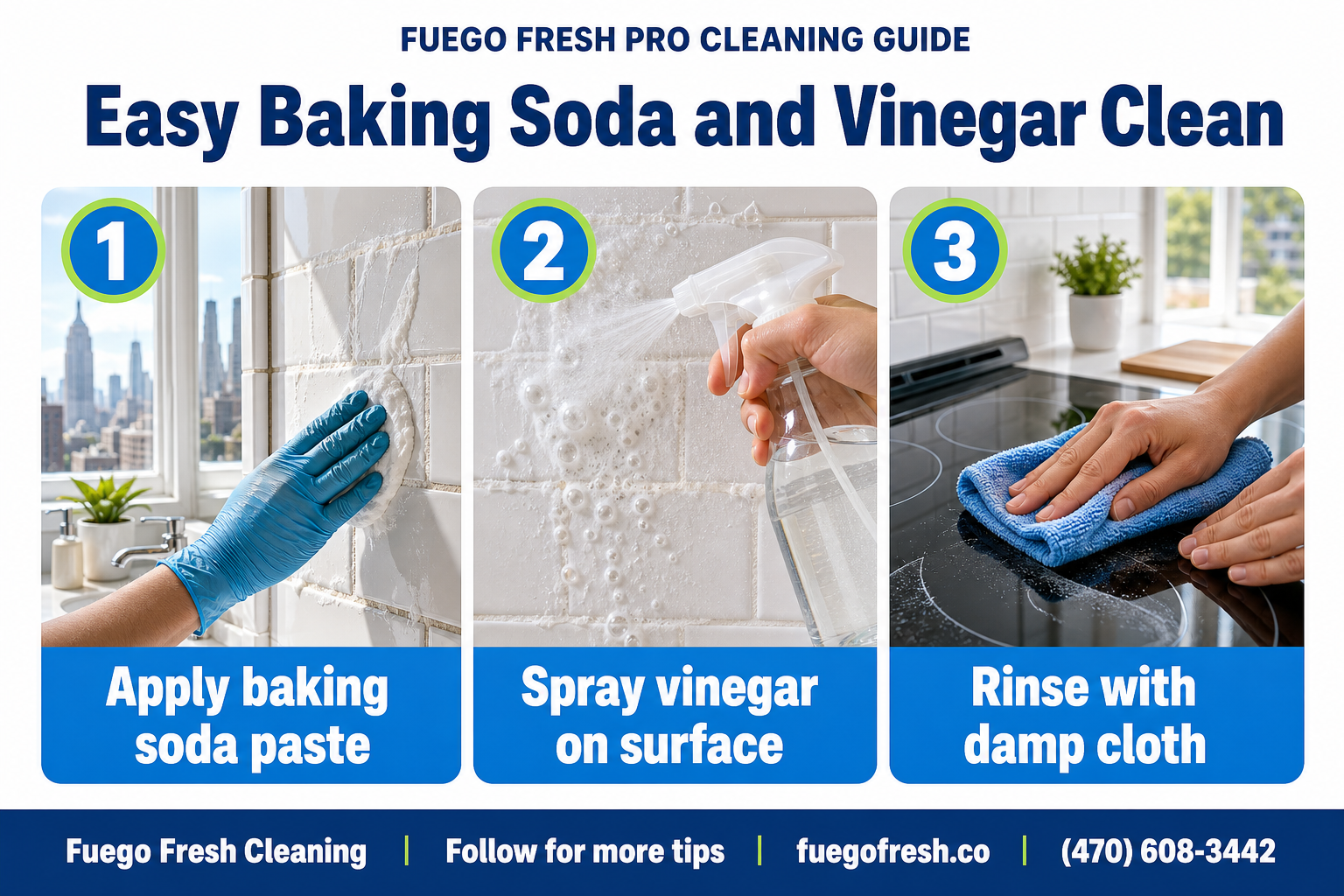
Atlanta’s humidity is no joke. Bathrooms in older homes often struggle with surface mildew. In this case, applying a baking soda paste first to provide abrasion, followed by a vinegar spray to kill the spores, can be effective. The vinegar's acidity is the hero here, not the bubbles.
2. Kitchen Degreasing in Old Fourth Ward
If you’ve been cooking up a storm, your stovetop might be a mess. Baking soda is a mild abrasive that won't scratch most surfaces. If you use it to scrub the grease, then wipe with vinegar, the vinegar helps dissolve any leftover soapy residue from the baking soda. It leaves a streak-free shine that looks great under modern kitchen lighting.
3. Deodorizing Stinky Drains
This is the most common use. Pouring a half-cup of baking soda followed by a cup of vinegar down a sluggish sink can help break up minor organic clogs. It’s not a miracle cure for a major pipe issue, but for a kitchen sink that’s seen too much Sweetwater beer and leftover grit, it’s a solid maintenance move.
The Cost of DIY vs. Professional Cleaning in Atlanta
When you're trying to decide between the $5 pantry fix and a professional service, it helps to know the local market rates. A box of Arm & Hammer and a gallon of white vinegar will cost you less than $10 at the Edgewood Kroger.
However, if the DIY method fails and you need a deep clean to restore your home’s value, Atlanta professional cleaning rates typically range from $150 to $450 depending on the square footage and the level of buildup. For those living in large Westside lofts or sprawling Sandy Springs estates, investing in a professional service ensures that high-end finishes—like marble or quartz—aren't damaged by acidic DIY experiments.
Expert Cleaning Tips for Better Results
If you are determined to use these natural cleaners, follow these pro-tips to ensure you don't make the situation worse:
- Don't Mix in a Closed Bottle: The CO2 buildup can cause the container to explode. Always mix in an open bowl or directly on the surface.
- Test for Colorfastness: Before applying vinegar to a rug or upholstery, test a small, hidden area. The acidity can occasionally bleach or yellow certain synthetic fibers.
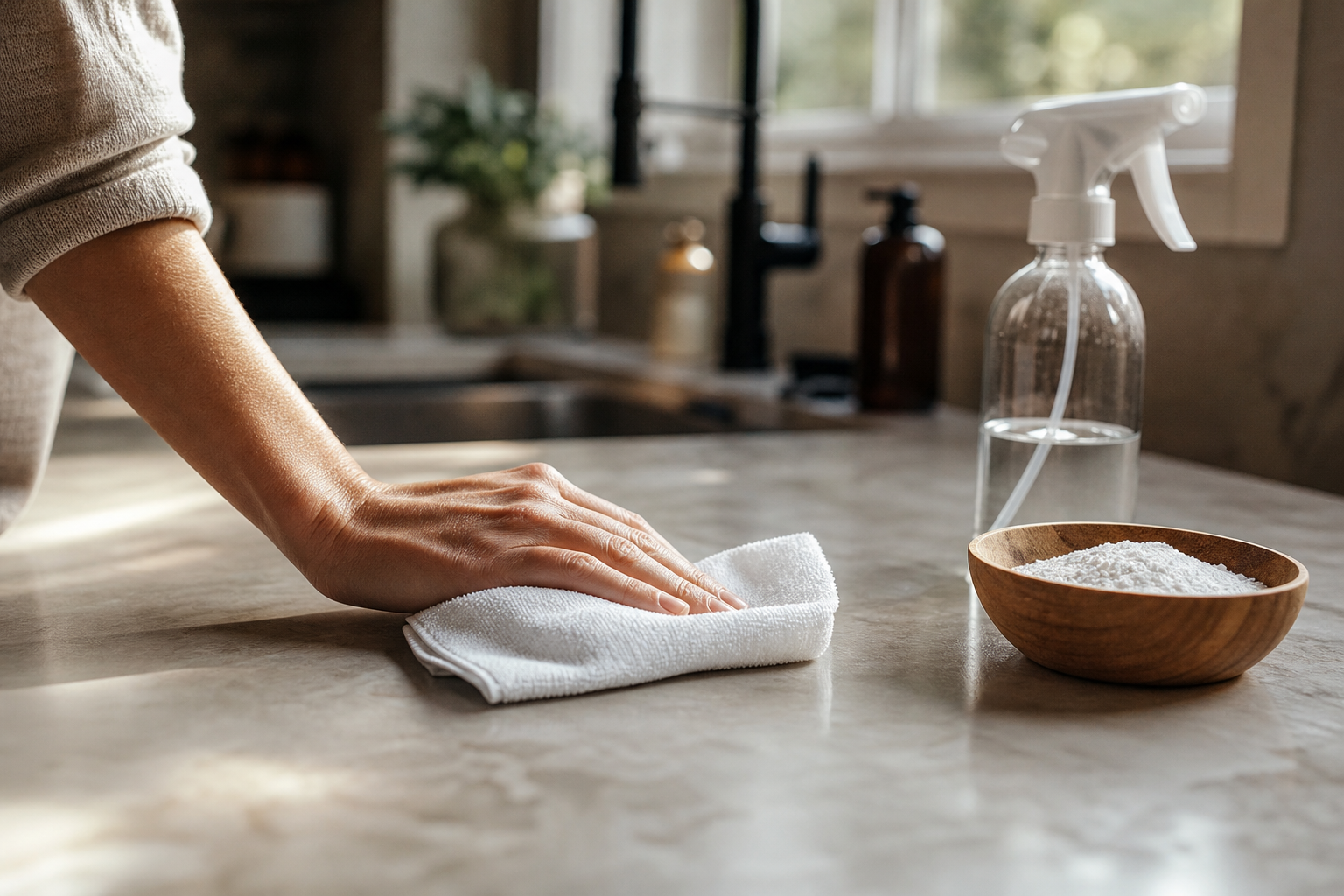
- Rinse Thoroughly: Baking soda leaves a white, chalky residue that is notoriously difficult to remove from dark surfaces once it dries. Always follow up with a clean, damp microfiber cloth.
- Sequence Matters: Apply the baking soda first to scrub, then use the vinegar to rinse. This utilizes the benefits of both without immediate neutralization.
Common Mistakes to Avoid
Many Atlanta homeowners accidentally damage their property while trying to be eco-friendly. Avoid these pitfalls:
- Using Vinegar on Natural Stone: If you have granite, marble, or travertine countertops (common in newer Poncey-Highland builds), never use vinegar. The acid will etch the stone, leaving permanent dull spots that cost thousands to repair.
- Relying on it for Disinfection: Neither vinegar nor baking soda is an EPA-registered disinfectant. They won't kill flu viruses or stubborn bacteria like professional-grade solutions will.
- Over-Saturation: Especially on hardwood floors or carpets, using too much liquid can lead to warping or mold growth beneath the surface—a nightmare in our humid Georgia climate.
When to Hire a Pro
DIY hacks are great for a Tuesday afternoon spill, but they aren't a substitute for a comprehensive home reset. If you find yourself scrubbing the same spot for hours without progress, or if you're preparing for a move in Cabbagetown and need a guaranteed deposit return, it’s time to call in the experts.
At Fuego Fresh Cleaning, we bring industrial-grade equipment and pH-balanced chemicals that actually break down stains at the molecular level. You can check our pricing to see how we fit into your home maintenance budget. Sometimes the real "miracle" is simply having a professional team handle the heavy lifting while you enjoy a walk on the Beltline.
In conclusion, while the vinegar and baking soda duo isn't the magic wand the internet claims it to be, it is a safe, non-toxic way to handle light cleaning. Just remember that for the tough stuff—the red clay, the pet odors, and the deep grime—there is no substitute for professional expertise.
Frequently Asked Questions
Q.Will vinegar and baking soda remove Atlanta red clay from my carpet?
Generally, no. Red clay is rich in iron oxide and binds tightly to fibers. While the fizzing might lift some surface dirt, it often leaves a permanent orange stain that requires professional-grade surfactants and hot water extraction to fully remove.
Q.Is it safe to use vinegar on my hardwood floors in my Midtown condo?
We advise against it. Vinegar is an acid that can break down the polyurethane finish on your floors over time, leading to a dull appearance and making the wood vulnerable to moisture damage, which is a major concern given Atlanta's high humidity.
Q.Can I use this mixture to clean my granite countertops?
Absolutely not. The acetic acid in vinegar will etch the surface of natural stones like granite and marble, creating dull spots or 'etch marks' that are expensive to polish out. Stick to a pH-neutral cleaner or a dedicated stone spray.
Q.How long should I let the baking soda and vinegar sit on a stain?
For minor odors or light grime, 15 to 30 minutes is sufficient. However, if the stain hasn't budged by then, the chemical reaction has long since finished, and further sitting time won't help. It's usually a sign you need a stronger enzymatic cleaner.
Q.Does this mixture help with the heavy pollen buildup on my porch?
It can help loosen the sticky yellow film of Georgia pollen, but a simple mix of dish soap and warm water is actually more effective at breaking down the pollen's fatty acids. For large areas, a pressure wash or professional deep clean is much faster.
Ready for a Cleaner Home?
Get a free quote from Fuego Fresh Cleaning today. Background-checked, fully insured, ridiculously detail-focused.
Comments
Loading comments…