
Washing Machine Settings to Kill Germs and Dust Mites on Bedding: The Atlanta Homeowner's Guide
Discover how to sanitize your linens effectively in Georgia's humid climate with the perfect wash cycles and temperature settings for a healthier, allergen-free bedroom.

The Ultimate Guide to Washing Machine Settings to Kill Germs and Dust Mites on Bedding
If you live in a charming bungalow in Virginia-Highland or a high-rise condo overlooking Midtown, you know that Atlanta's environment is a double-edged sword. We love our canopy of trees, but the combination of heavy pollen seasons and our infamous Georgia humidity creates a playground for microscopic intruders. When you crawl into bed at night, you should be entering a sanctuary, not a habitat for allergens. Understanding the specific washing machine settings to kill germs and dust mites on bedding is the first step toward a healthier home.
In this guide, we will break down the science of sanitization, the specific cycles your machine offers, and how to navigate the unique challenges of keeping linens fresh in the A.
The Problem: Why Your Bedding Needs More Than a Quick Rinse
Bedding is a magnet for organic matter. Every night, the average person sheds millions of skin cells and loses nearly a liter of moisture through sweat and breath. In the humid Atlanta climate—where the air often feels thick enough to drink—this moisture gets trapped in your fibers.
The Dust Mite Factor
Dust mites don't bite, but they produce waste products that are leading triggers for asthma and allergies. They thrive in temperatures between 68°F and 77°F and humidity levels above 70%. For a Buckhead homeowner without a high-end dehumidifier, your mattress and pillows are essentially a luxury resort for these pests.
Bacterial and Viral Load
From seasonal flu bugs circulating through Atlanta schools to the everyday bacteria we bring home from MARTA or the local gym, your sheets collect a significant microbial load. A standard "Eco-Warm" cycle simply isn't enough to break down the protein structures of these germs.
Choosing the Right Washing Machine Settings to Kill Germs and Dust Mites
To effectively sanitize, you need to balance three factors: heat, time, and mechanical action. Here is how to program your machine for maximum impact.
1. The Power of High Heat (The 140°F Rule)
To kill 100% of dust mites and the vast majority of bacteria, your water temperature must reach at least 140°F (60°C). Most standard "Hot" settings on residential machines hover around 120°F to 130°F.
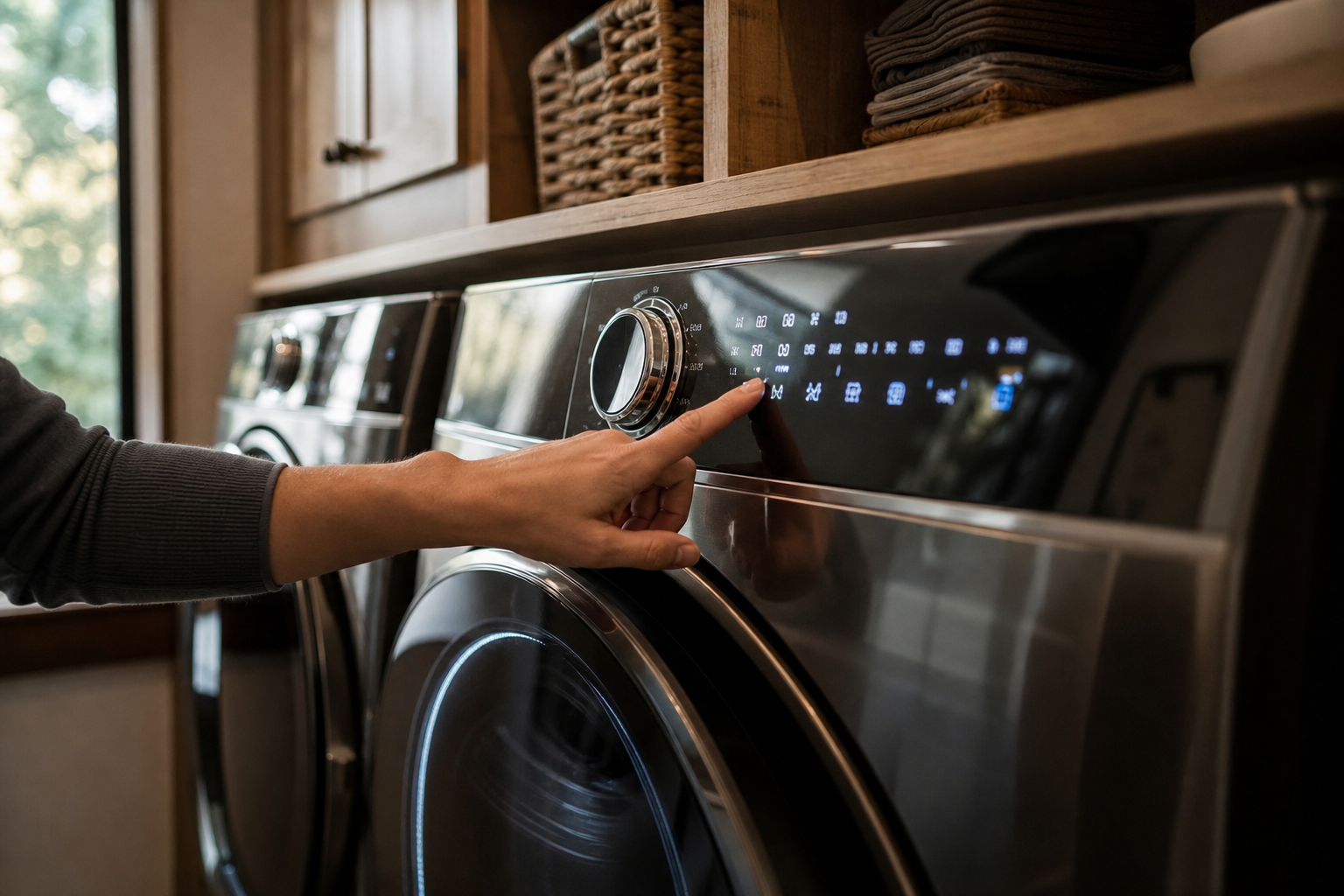
- Sanitize Cycle: If your machine has a dedicated Sanitize cycle, use it for white cotton sheets and heavy pillowcases. This cycle often uses an internal heater to boost the water temperature beyond what your home's water heater provides.
- Allergen Cycle: Many modern LG or Samsung units (popular in newer Atlantic Station developments) feature an NSF-certified Allergen cycle. This uses steam and high heat to neutralize dust mites and pet dander.
2. The Heavy Duty vs. Normal Cycle
While "Normal" is fine for a Tuesday load of t-shirts, bedding requires the Heavy Duty or Bedding setting. These cycles provide more agitation, which helps physically dislodge dust mite excrement and skin cells from the tight weave of high-thread-count linens.
3. The Extra Rinse Option
In Atlanta’s soft water environment, detergent can sometimes linger in the fibers. Residual soap acts as a sticky trap for new dust and pollen. Always select the "Extra Rinse" option to ensure every trace of organic matter and surfactant is flushed away.
Materials Matter: How to Clean Without Ruining Your Linens
Not all fabrics can handle the intense heat required to kill germs. Here is how to handle the most common materials found in Atlanta bedrooms:
- Cotton and Linen: These are the workhorses. They can typically handle the 140°F heat required for sanitization. These are ideal for those living in older homes in Cabbagetown where dust might be more prevalent.
- Silk and Bamboo: These are popular for their cooling properties in the Georgia heat, but they are delicate. You cannot use high heat on these. For these fabrics, focus on specialized antibacterial detergents or UV light treatment instead of high-heat wash settings.
- Synthetic Blends: Common in many modern bedding sets, these can melt or pill under extreme heat. Check the care label before opting for the Sanitize cycle.
Expert Cleaning Tips for the Atlanta Climate
Maintaining a germ-free bed in the South requires a bit of local strategy. Check our services to see how we handle deep cleaning for high-traffic homes.
- The Pollen Strategy: During the peak spring months when everything is coated in yellow dust, avoid drying your bedding on a clothesline outdoors. Your dryer’s high-heat setting is actually your friend here, as it helps shake off any microscopic pollen that survived the wash.
- Dryer Heat is the Finisher: Even if you wash at a slightly lower temperature to protect colors, 15–20 minutes in a high-heat dryer cycle can kill remaining dust mites.
- Vinegar Boost: Add half a cup of white distilled vinegar to the fabric softener dispenser. It acts as a natural disinfectant and helps break down the mineral buildup from Georgia's water, leaving sheets softer without the chemical film of dryer sheets.
Common Mistakes to Avoid
- Overloading the Drum: In an effort to save time, many people cram their king-sized comforter and sheets into one load. If the bedding can't tumble freely, the heat won't penetrate the folds, and the germs will survive.
- Using Too Much Detergent: Excessive suds actually trap dirt and bacteria against the fabric rather than washing them away. Stick to two tablespoons of high-efficiency (HE) detergent.
- Ignoring the Washing Machine Itself: A moldy washing machine gasket (common in humid Atlanta laundry rooms) will redeposit mold spores onto your "clean" sheets. Run a monthly tub-clean cycle with bleach or a specialized cleaner.
The Cost of Professional Cleanliness
Maintaining a pristine home in Metro Atlanta varies based on the size of your space and the depth of service required. For those who want more than just clean sheets—homes that are truly sanitized from baseboards to ceiling fans—professional help is the gold standard.
- Standard Professional Cleaning: For a 2-bedroom apartment in Midtown or Old Fourth Ward, you can expect to pay between $150 and $250. This typically includes surface cleaning and basic linen changes.
- Deep Disinfection Services: For larger homes in areas like Sandy Springs or Marietta, a deep sanitization that targets allergens, dust mites, and high-touch surfaces usually ranges from $350 to $450+ depending on square footage.
You can view more specific details on our pricing page to find a plan that fits your neighborhood and home size.
Conclusion: Your Path to a Healthier Night's Sleep
Using the correct washing machine settings to kill germs and dust mites on bedding is a vital part of home maintenance, especially in our humid climate. By prioritizing high heat, choosing the right cycles, and avoiding common pitfalls like overloading, you can significantly improve the air quality and hygiene of your bedroom.
However, we know that Atlanta life is busy. Whether you're commuting on the Connector or spending your weekends exploring the Beltline, you might not have the hours required to deep-clean every corner of your home to these rigorous standards. When you're ready to move beyond basic laundry and ensure your entire living space is a Fuego Fresh sanctuary, the pros are ready to step in.
Frequently Asked Questions
Q.How often should I wash my bedding to keep dust mites away in Atlanta?
In our humid environment, you should wash your sheets and pillowcases once a week using a high-heat setting. If you have pets or suffer from severe seasonal allergies, twice a week is recommended during peak pollen months.
Q.Will a 'Warm' setting kill germs on my sheets?
Generally, no. Most 'Warm' settings are around 90-100°F, which is not hot enough to kill dust mites or most bacteria. To truly sanitize, you need to reach 140°F, which usually requires the 'Hot' or 'Sanitize' cycle.
Q.Does the humidity in Georgia affect how I should store my clean bedding?
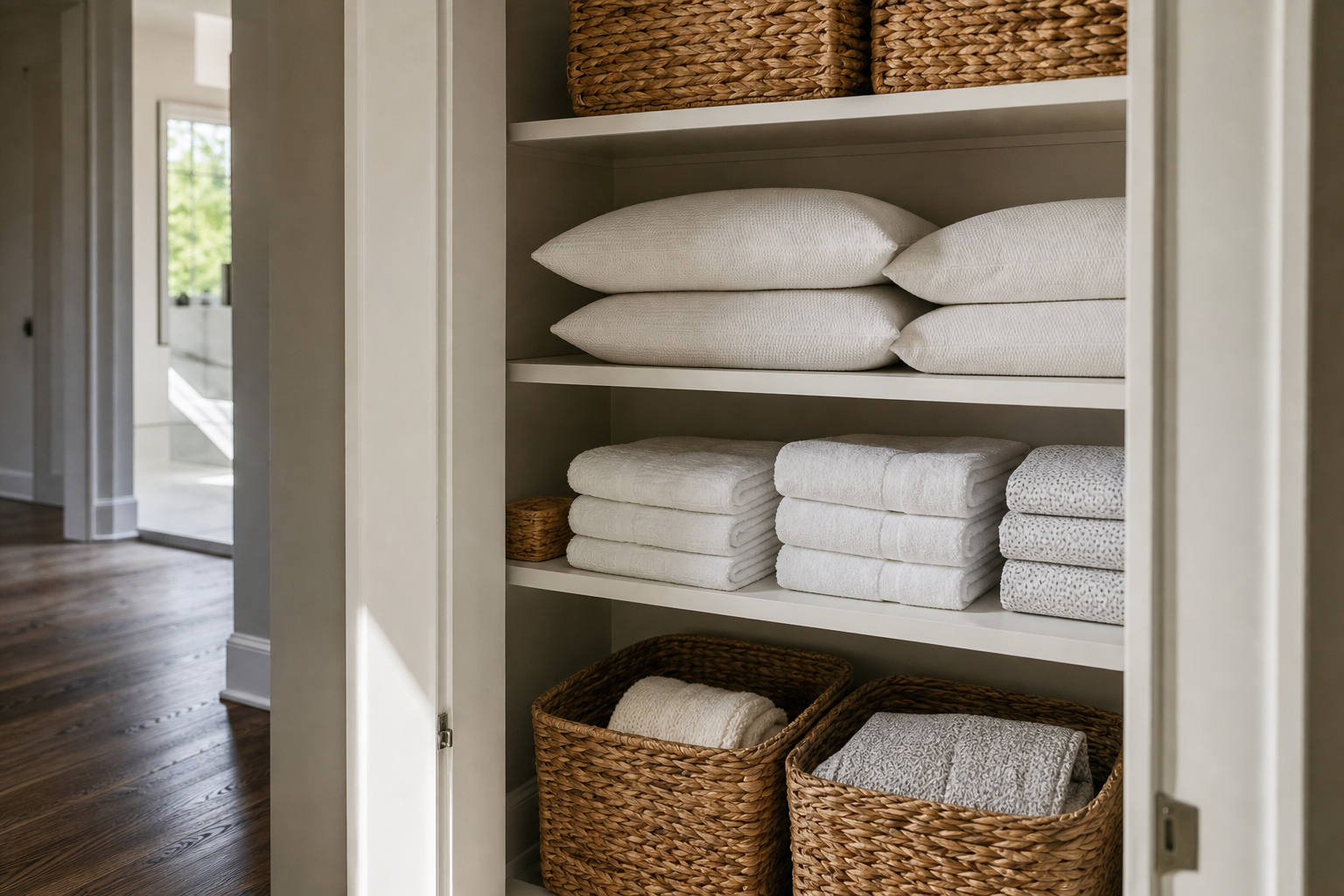
Absolutely. Never store bedding in plastic bins where moisture can get trapped, as this leads to mildew. Use breathable cotton bags or open shelving in a climate-controlled linen closet to keep them fresh.
Q.What is the best way to clean a heavy comforter that doesn't fit in my machine?
For oversized items, a high-capacity commercial machine at a laundromat is best, or professional dry cleaning. If the item is machine washable, ensure it has enough room to tumble freely so the heat can penetrate all layers.
Q.Should I use bleach on all my bedding to kill germs?
While bleach is an excellent disinfectant for white cottons, it can damage fibers over time and isn't suitable for colors. High heat (140°F+) combined with a quality detergent is usually sufficient for sanitization without the harshness of bleach.
Ready for a Cleaner Home?
Get a free quote from Fuego Fresh Cleaning Services today. Background-checked, fully insured, ridiculously detail-focused.
Comments
Loading comments…