
Laundry Lessons: Why You Should Not Mix Vinegar With Laundry Detergent
Discover the chemical reality behind mixing vinegar and laundry detergent and why this popular DIY cleaning hack might actually be ruining your wardrobe and your washing machine.
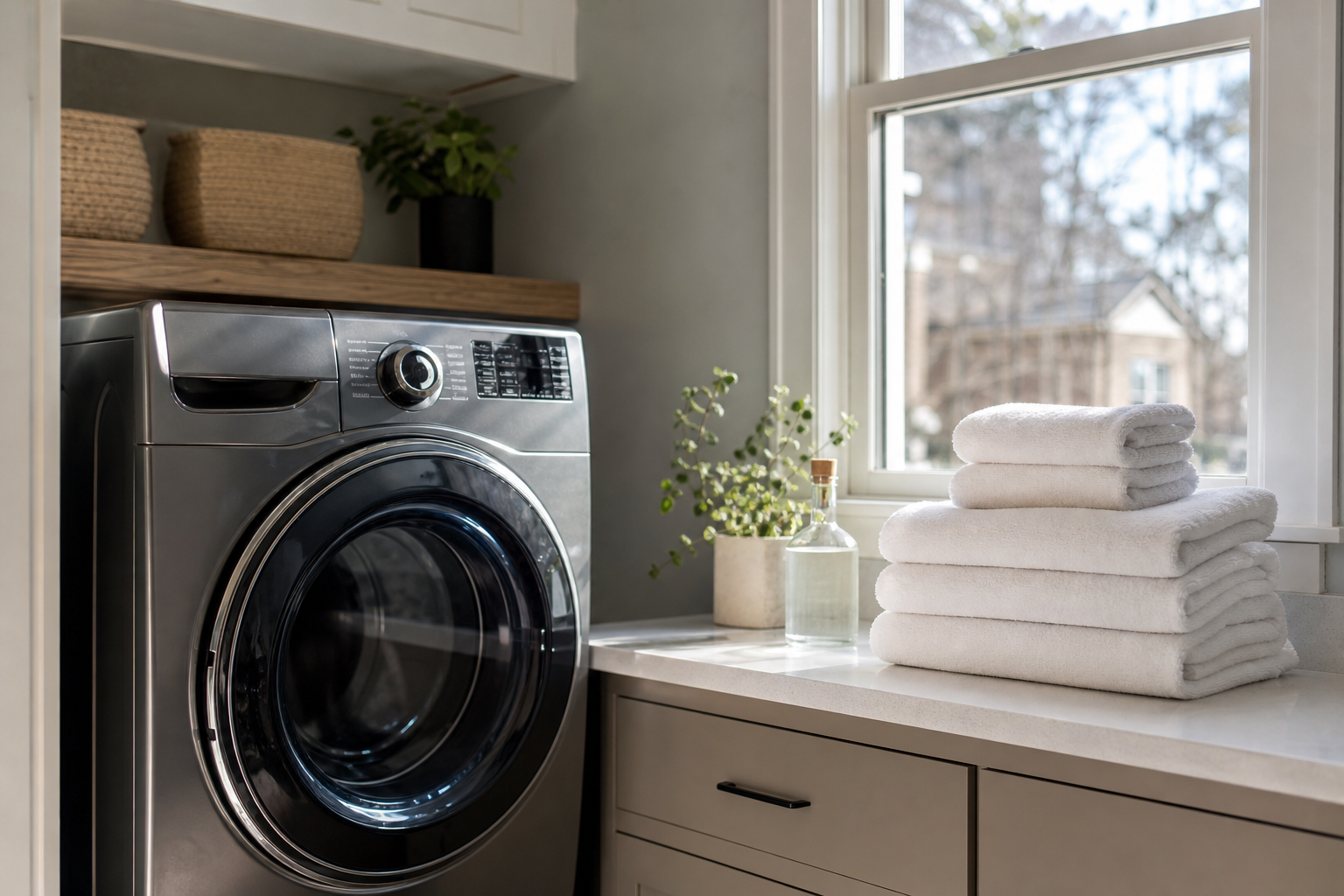
Laundry Lessons: Why You Should Not Mix Vinegar With Laundry Detergent
If you’ve spent any time browsing natural cleaning hacks while relaxing on your porch in Virginia-Highland or scrolling through TikTok between errands at Ponce City Market, you’ve likely seen the suggestion to add white vinegar to your laundry. The promise is tempting: softer towels, brighter whites, and a chemical-free boost. However, there is a fundamental scientific reason why you should not mix vinegar with laundry detergent in the same cycle. While both substances are powerhouses in their own right, combining them creates a chemical stalemate that leaves your clothes dirtier than when they started.
In the humid climate of Atlanta, where pollen counts soar and red clay seems to find its way onto every pair of sneakers, getting your laundry right is essential. This guide will break down the chemistry of why this duo fails, how it can damage your expensive appliances, and the correct way to use these tools for a truly fresh result.
The Chemistry of Conflict: Acid vs. Base
To understand why this mixture is a mistake, we have to look at the pH scale. Laundry detergents are formulated to be alkaline (basic), typically landing somewhere between an 8 and 10 on the pH scale. Vinegar, on the other hand, is acetic acid, sitting at a sharp 2 or 3.
The Neutralization Effect
When you mix an acid with a base, they undergo a chemical reaction that neutralizes both. The vinegar essentially "fights" the detergent. Instead of getting the cleaning power of the soap and the softening power of the vinegar, you end up with a weakened solution that is neither particularly acidic nor particularly basic. This means the surfactants in your detergent can’t effectively lift the oils and grime common to Atlanta summers.
The Resulting Residue
Because the detergent is neutralized, it doesn't rinse away as cleanly as it should. This often results in a dulling film on your clothes. If you’ve noticed your favorite LuluLemon gear from the Buckhead shops looking a bit dingy or feeling slightly waxy, your DIY vinegar hack might be the culprit.
Why You Should Not Mix Vinegar With Laundry Detergent in Your Machine
It isn't just your clothes at risk; your washing machine—a significant investment for any homeowner from Inman Park to Sandy Springs—can suffer long-term damage from improper vinegar use.
The Rubber Seal Sabotage
Modern high-efficiency (HE) washers rely heavily on rubber gaskets and seals to prevent leaks. While a little vinegar in the rinse cycle is generally fine, consistently mixing it with detergent creates a environment that can accelerate the degradation of these rubber components. Over time, the acid can cause the rubber to become brittle or gummy, leading to expensive leaks that can ruin your laundry room floors.
Interference with HE Sensors
High-efficiency machines use sensors to determine how much water is needed and how long the rinse cycle should last. By introducing vinegar prematurely into the wash cycle, you alter the viscosity and sudsing levels of the water. This can confuse the machine's internal computer, leading to incomplete rinses or extended cycles that waste water and energy.
The Proper Way to Use Vinegar in Laundry
Just because you shouldn't mix them doesn't mean vinegar has no place in your laundry room. The key is timing. If you want the benefits of vinegar, it must be introduced during the rinse cycle, not the wash cycle.
Using the Fabric Softener Dispenser
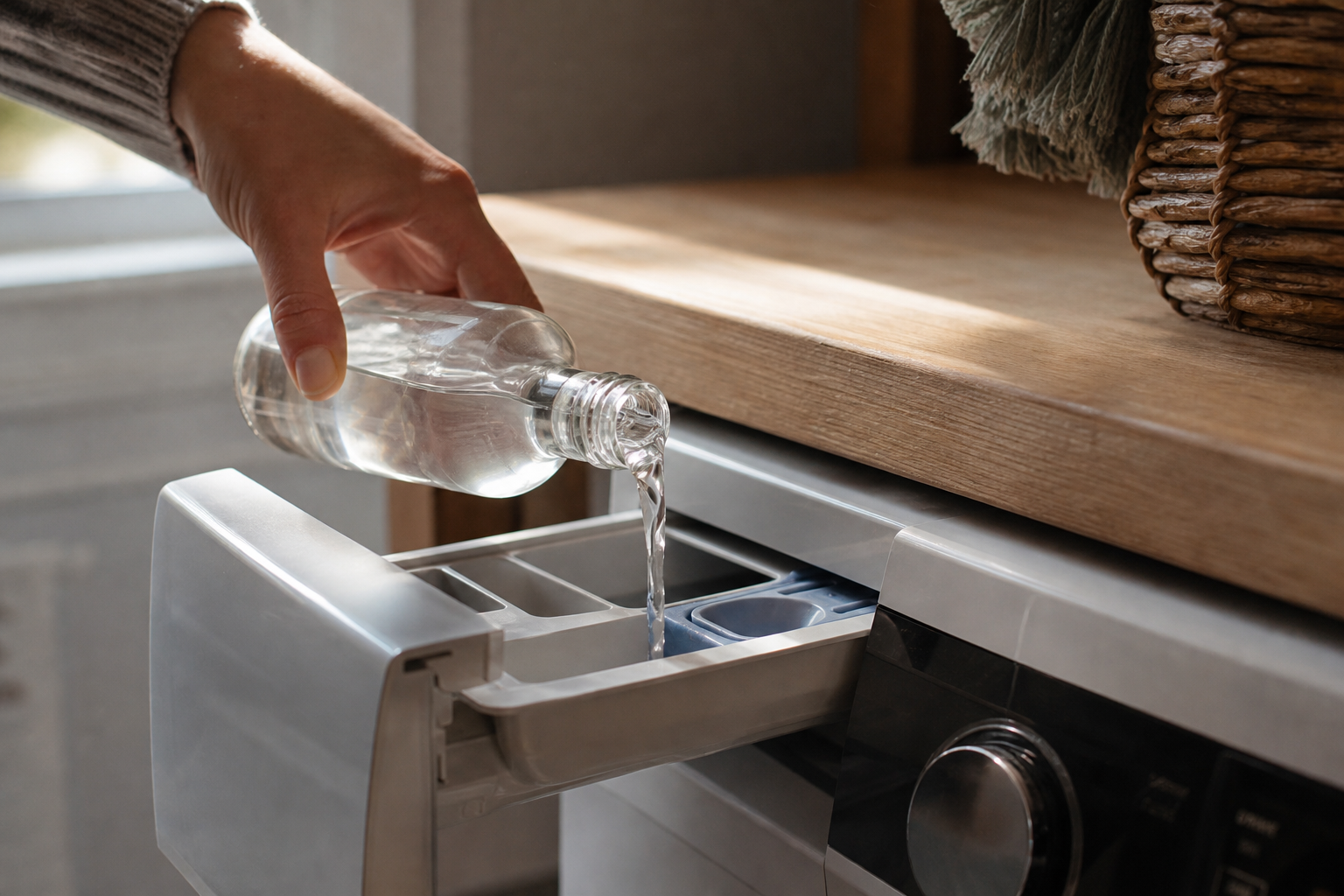
Most machines have a designated tray for fabric softener. Because this tray only releases its contents during the final rinse, it is the perfect place for a splash of white vinegar. By the time the vinegar enters the drum, the detergent has already done its job and has been mostly washed away. The vinegar then acts to break down any remaining soap suds and naturally soften the fibers.
Brightening and Deodorizing
Vinegar is excellent at neutralizing odors—something every Atlantan needs after a jog on the Beltline in 90% humidity. When used in the rinse cycle, it helps strip away the bacteria and sweat that detergent alone might leave behind, without the risk of neutralizing your cleaning agents.
The Cost of Professional Care and Maintenance
Maintaining a clean home and fresh laundry takes time and the right knowledge. If you find yourself overwhelmed by stains or the general upkeep of a busy household, professional help is a viable path. In the Metro Atlanta area, professional cleaning services typically range from $150 to $450 per visit, depending on the square footage and specific needs of the home.
Investing in a professional cleaning service ensures that your home isn't just surface-clean, but chemically balanced. Professionals know exactly which agents to use on specific surfaces, avoiding the DIY pitfalls that lead to long-term property damage. Check out our pricing guide to see how we can help you reclaim your weekends.
Expert Cleaning Tips for Atlanta Homeowners
- Combat the Pollen: During Georgia's infamous yellow-pollen season, wash your bedding at least once a week in hot water. Skip the vinegar in the wash and use a dedicated HE detergent to ensure those micro-particles are fully removed.
- Hard Water Solutions: Parts of North Georgia have harder water than others. If you notice mineral buildup, a vinegar rinse once a month (run an empty cycle with vinegar) can help descale your machine without harming your clothes.
- Red Clay Tactics: If you've been hiking at Sweetwater Creek and come home with red clay stains, do not use vinegar. You need a heavy-duty alkaline detergent and a soft brush to lift the minerals before they set.
Common Mistakes to Avoid
- Overloading the Machine: In an effort to save time, many people cram their washers full. This prevents the detergent (and the vinegar rinse) from reaching all the fabric, leaving pockets of dirt and bacteria.
- Using Apple Cider Vinegar: Always use distilled white vinegar. Apple cider vinegar contains tannins that can actually stain light-colored fabrics.
- Mixing with Bleach: This is a safety warning. Never mix vinegar with bleach. The combination creates toxic chlorine gas, which is extremely dangerous in the confined space of a laundry room.
- Skipping the Pre-Wash: For heavily soiled items, a professional booking might be the reset you need, but at home, a simple 20-minute soak in plain water and detergent does more than vinegar ever could.
Conclusion
While the internet is full of quick-fix cleaning advice, the science is clear: the reason why you should not mix vinegar with laundry detergent comes down to basic chemistry. By keeping these two apart, you ensure your detergent can fight stains and your vinegar can soften and deodorize effectively.
If the demands of keeping a pristine home in the hustle of Atlanta are becoming too much, let the experts take over. At Fuego Fresh Cleaning, we bring a premium touch to every corner of your residence, ensuring your home is as vibrant as a sunset over the Midtown skyline.

Frequently Asked Questions
Q.Can I use vinegar to remove the smell of Atlanta humidity from my towels?
Yes, but you must add it to the rinse cycle, not the wash. The acetic acid in vinegar helps break down the mildew-causing bacteria and leftover soap residue that traps odors in thick towel fibers.
Q.Will vinegar damage my high-efficiency washer's warranty?
It depends on the manufacturer, but excessive use of acids like vinegar can corrode rubber seals over time. Many Atlanta appliance repair experts recommend using vinegar sparingly and ensuring it is thoroughly diluted during the rinse phase.
Q.Does vinegar help remove Georgia red clay stains?
Actually, no. Red clay is iron-rich and acidic; adding vinegar (another acid) doesn't help break it down. You are better off using an alkaline detergent or a specialized oxygen bleach to lift the clay particles.
Q.How much vinegar should I use per load?
For a standard load in a Metro Atlanta home, a half-cup of distilled white vinegar in the fabric softener compartment is sufficient. This amount is enough to soften fabrics without being concentrated enough to damage your machine's internals.
Q.Is it safe to mix vinegar with my eco-friendly detergent?
Even with plant-based detergents, the rule remains: do not mix them. The vinegar will still neutralize the cleaning agents in the eco-friendly soap, making your 'green' wash less effective and potentially leaving clothes feeling greasy.
Ready for a Cleaner Home?
Get a free quote from Fuego Fresh Cleaning today. Background-checked, fully insured, ridiculously detail-focused.
Comments
Loading comments…