
Why You Should Not Use Vinegar on Everything: The Hidden Risks to Your Atlanta Home
While natural cleaning is popular in Atlanta, acidic DIY solutions can cause permanent damage to premium home finishes like marble, granite, and hardwood floors.

Why You Should Not Use Vinegar on Everything: The Hidden Risks to Your Atlanta Home
Walk into any historic bungalow in Virginia-Highland or a sleek new build in Westside Provisions, and you’ll likely find a bottle of white distilled vinegar in the pantry. It’s the darling of the DIY cleaning world—cheap, eco-friendly, and powerful. However, there is a dangerous misconception circulating on social media that this pantry staple is a universal solvent. If you care about the longevity of your home’s surfaces, you need to understand why you should not use vinegar on everything.
In the humid climate of Atlanta, where we battle everything from thick layers of yellow pine pollen in the spring to red clay tracked in from the Beltline, we are often desperate for a quick cleaning hack. But vinegar is an acetic acid. While it is great for descaling a coffee pot, it can be a silent assassin for luxury finishes. This guide will walk you through the chemistry of why vinegar fails, the specific surfaces it destroys, and how to maintain a pristine home without risking your investment.
The Chemistry of Why Vinegar Isn't a Universal Cleaner
The pH Problem
Cleaning is largely a matter of chemistry. Most household dirt, especially the greasy residue found in Buckhead kitchens, is acidic. To neutralize and lift that grease, you typically need an alkaline cleaner. White vinegar has a pH of about 2 to 3. Putting an acid on an acid doesn't yield the results you want. Instead of breaking down oils, vinegar often just smears them around, leaving a cloudy film that attracts more dust.
The Corrosive Nature of Acetic Acid
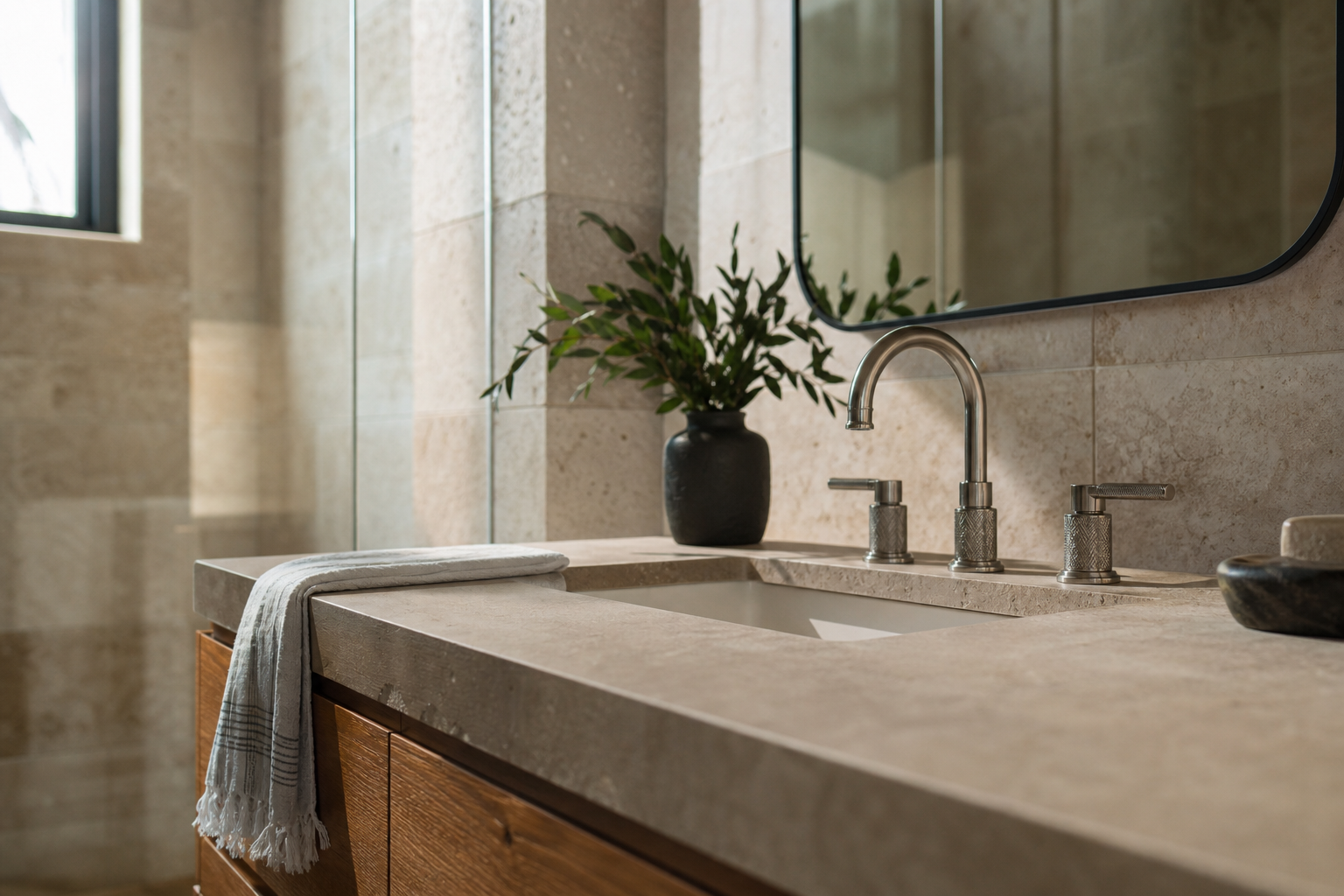
Because vinegar is an acid, it reacts aggressively with certain minerals and metals. When you apply it to a surface like limestone or marble, a chemical reaction called "etching" occurs. The acid literally eats away at the calcium carbonate in the stone, leaving behind a dull, white mark that no amount of scrubbing can fix. In a city like Atlanta, where we value our high-end renovations, using the wrong DIY spray can lead to a multi-thousand-dollar restoration bill.
Surfaces You Should Never Clean With Vinegar
Natural Stone Countertops and Tiles
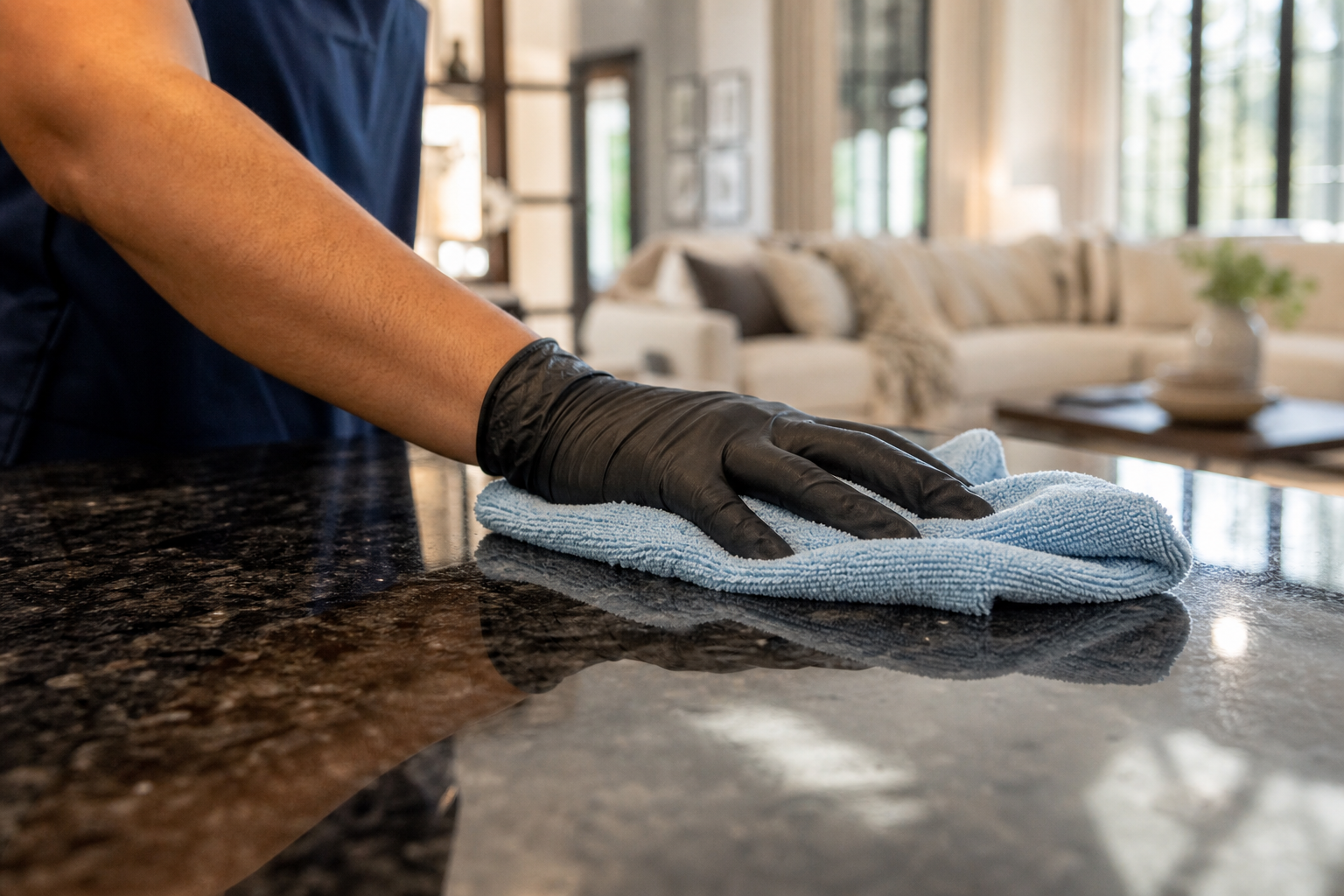
This is the cardinal sin of DIY cleaning. If you have granite, marble, or travertine in your kitchen or bathroom, keep the vinegar away. Even diluted vinegar will slowly dissolve the sealant that protects your stone. Once that seal is gone, the stone becomes porous, absorbing wine, coffee, and oils. If you've noticed your countertops looking dull despite constant cleaning, this is likely why you should not use vinegar on everything.
Hardwood Flooring
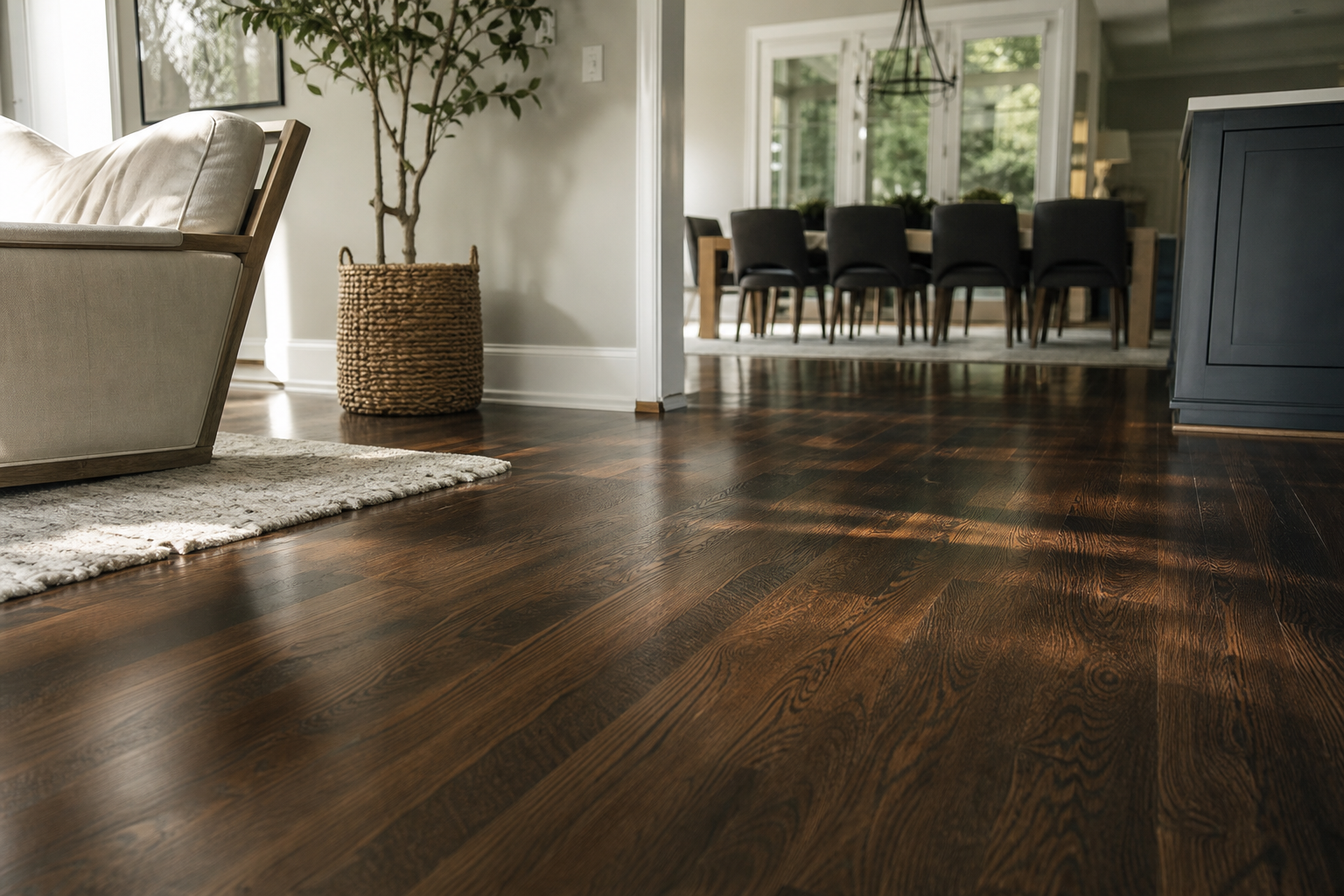
Whether you have original oak floors in an Inman Park Victorian or modern engineered planks in a Midtown condo, vinegar is not your friend. The acid breaks down the polyurethane finish over time. This makes the wood look cloudy and leaves it vulnerable to moisture. In Georgia’s high humidity, compromised wood finishes lead to warping and splintering much faster than in drier climates.
Stainless Steel Appliances
While vinegar can remove fingerprints in the short term, it is corrosive to certain types of stainless steel. Frequent use can lead to pitting—tiny microscopic holes—and can even cause your high-end Sub-Zero or Wolf appliances to develop rust spots. For these surfaces, a pH-neutral cleaner or a dedicated stainless steel polish is essential to maintain that showroom shine.
Rubber Gaskets and Hoses
Think twice before dumping vinegar into your dishwasher or front-loading washing machine. The acetic acid can degrade the rubber seals and hoses over time, leading to leaks. Replacing a gasket on a premium appliance is significantly more expensive than just buying the proper cleaning supplies.
The High Cost of the "Vinegar Myth"
Professional Restoration vs. Routine Maintenance
When vinegar damage occurs, it’s rarely a quick fix. Etched marble usually requires a professional stone restoration specialist to re-hone and polish the surface, which in Metro Atlanta can cost anywhere from $500 to $2,000 depending on the square footage. Compare this to the cost of a professional recurring cleaning service, where experts use pH-balanced, surface-safe chemicals.
Real Atlanta Price Ranges
For a standard deep clean in areas like Sandy Springs or Brookhaven, you can expect to pay between $150 and $450. This professional touch ensures that every surface—from your delicate backsplash to your hardwood foyer—is treated with the specific chemistry it requires, saving you from the long-term costs of surface degradation.
Expert Cleaning Tips for Atlanta Homeowners
If you want to move away from vinegar, here is what the pros at Fuego Fresh recommend:
- Use pH-Neutral Cleaners: Look for products specifically labeled for stone and wood. These safely lift dirt without reacting with the surface material.
- Microfiber is Your Best Friend: Instead of relying on chemical reactions, use high-quality microfiber cloths. They are designed to grab dirt and bacteria at a microscopic level using just a mist of water or a mild surfactant.
- Address the Pollen Season: During Atlanta's peak pollen weeks, avoid acidic cleaners on your windows and outdoor furniture. The acid can bond with the yellow dust, creating a sticky residue that is harder to remove later.
- Check the SDS: If you are unsure about a product, look up its Safety Data Sheet (SDS) online. If the pH is low (1-4), keep it away from your stone and wood.
Common Mistakes to Avoid
- Mixing Vinegar with Bleach: This is the most dangerous mistake. Combining these two creates toxic chlorine gas.
- Using it on Electronic Screens: Never use vinegar on your smartphone, tablet, or laptop screens. It will strip the oleophobic (oil-repellent) coating immediately.
- Cleaning Irons: While some people suggest putting vinegar in the steam reservoir to remove scale, the acid can eat away at the internal metal parts and the non-stick coating on the plate.
- Treating Pet Stains on Hardwood: Vinegar may neutralize the smell of urine, but it will also damage the wood finish. Use an enzymatic cleaner instead, which breaks down the proteins without the acidity.
Why Professional Expertise Matters
Many homeowners choose vinegar because they want to avoid harsh chemicals, and we applaud that. However, "natural" doesn't always mean "safe for your home." A professional team understands the nuance of Atlanta’s unique environmental factors. We know that a home near the humid greenspace of Chastain Park needs a different approach than a high-rise apartment in Old Fourth Ward.
When you hire a premium service, you aren't just paying for someone to mop; you are paying for the peace of mind that your expensive finishes are being preserved. If you are tired of the guesswork and want your home to truly shine, it might be time to look into a professional booking. We bring the right tools, the right chemistry, and the local expertise to ensure your home remains a sanctuary, not a science experiment gone wrong.
In conclusion, while vinegar has its place in the laundry room for softening towels or in the kitchen for pickling, it is not a one-size-fits-all solution. Protecting your Atlanta investment starts with knowing when to put the vinegar away and when to call in the experts.
Frequently Asked Questions
Q.Can I use vinegar to clean my granite countertops if I dilute it with water?
No, even diluted vinegar is too acidic for granite and marble. Over time, the acid will break down the protective sealer, leaving your stone vulnerable to permanent stains and dull etching. It is much safer to use a dedicated pH-neutral stone cleaner or a drop of mild dish soap and warm water.
Q.What is the best way to clean Atlanta's yellow pollen off my hardwood floors without vinegar?
For pollen, start with a dry microfiber dust mop to remove the loose particles without scratching the finish. Follow up with a damp (not wet) microfiber mop using a specialized hardwood cleaner like Bona or a professional-grade neutral cleaner. This prevents the 'cloudy' look that vinegar often causes on polyurethane finishes.
Q.Is vinegar safe to use in my dishwasher as a rinse aid?
While many suggest it, we advise against it for modern high-end appliances common in Atlanta homes. The acetic acid can cause the rubber gaskets and seals to become brittle and eventually fail, leading to leaks. It is better to use a commercially formulated rinse aid designed to protect your machine's components.
Q.Why does my bathroom tile look dull even though I scrub it with vinegar?
If you have natural stone tile like travertine or slate, the vinegar is likely 'etching' the surface, which is a form of chemical damage that creates a dull appearance. If you have ceramic tile, the vinegar might be reacting with the grout, gradually dissolving it and making it more porous and prone to mold growth.
Q.How much does a professional deep clean cost in neighborhoods like Buckhead or Morningside?
For a standard-sized luxury home in the Metro Atlanta area, a professional deep clean typically ranges from $250 to $600 depending on square footage and specific needs. This investment covers the use of surface-safe chemicals and expert techniques that prevent the costly damage associated with DIY mistakes like using vinegar on the wrong surfaces.
Ready for a Cleaner Home?
Get a free quote from Fuego Fresh Cleaning Services today. Background-checked, fully insured, ridiculously detail-focused.
Comments
Loading comments…